Whether you’re cruising a calm lake or braving the open sea, boating offers freedom, thrill, and serenity in equal measure. But beneath the surface lies a truth everyone must respect: safety isn’t optional—it’s lifesaving. One wrong turn, one overlooked detail, and your perfect day on the water can turn into a disaster.
This guide isn’t about rules for rules’ sake. It’s about smart habits that protect you, your crew, and your boat. From checking your vessel and gear to mastering docking and anchoring like a pro, these 10 boating safety tips will keep your adventures smooth, secure, and unforgettable.
So before you cast off, let’s make sure you’re not just floating… you’re floating smart.
10 Boating Safety Tips
Before you hit the water, make sure you are armed with more than just sunscreen and good vibes. These 10 boating safety tips are your lifeline to safer, smarter boating:
- Get your boat checked.
- Check weather forecasts.
- Bring safety gear.
- Don’t overload the boat.
- Follow proper docking procedures.
- Observe proper anchoring procedures.
- Undock safely.
- Stay alert.
- Take a safety course.
- Use Common Sense.
Get Your Boat Checked
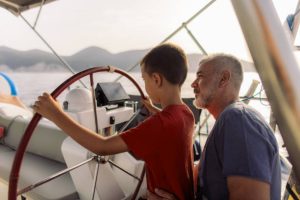
Before delving into a journey by a boat trip, you should check your boat first. If you have found it in good condition, try to refuel it, then open all the hatches and smell for carbon monoxide fumes.
The accumulated gas in and around your boat can make you or others faint, so keep an eye out for the following:
- Closed canvas areas with little airflow.
- Any enclosed spaces.
- Blocked exhaust outlets.
- Other nearby boats.
- If any fumes are detected, don’t start the engine.
- If the engine is slow, stuck, or won’t start, there might be some problems.
You can ask help from the U.S. Coast Guard Auxiliary and Power Squadrons, as they offer free boat safety checks.
Check Weather Forecasts
Choose warm and sunny days, as they are the ideal for boating, but -unfortunately- even beautiful weather can be unpredictable. Check forecasts before going, and watch out for strong winds or cold water. Sometimes, it isn’t necessary to cancel the trip, but you’ll need to at least be prepared and ready in case you or anyone gets wet.
Bring Safety Gear
One of the essential boating safety tips is being well prepared by having a boat safety kit for you and your passengers. Even when riding a covered yacht or having calm waves, emergencies are unpredictable, so being prepared for any situation is always the key.
The important items you’ll need include:
Life Jacket
Every rider should have a U.S. Coast Guard-approved life jacket that fits their size and activity. These jackets not only keep people afloat but can also turn them face-up to help prevent hypothermia.
Kids especially need properly sized gear, and everyone should put on their life jacket as soon as they board.
First Aid Kit
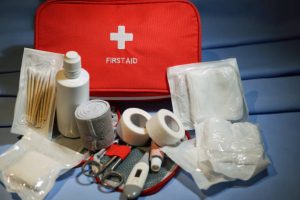
Always keep a first aid kit on board in case of accidents. Choose one made for boating, like the Marine 300, which has clearly labeled supplies for up to six people. Make sure it’s stocked for your group size—and that you know how to use it.
Flashlight
A flashlight is essential for boating at night or in remote areas. Choose one that’s water-resistant and lasts long, like the VSSL Mini Cache, which also works as a tough little container for emergency gear.
Whistle
Bring a waterproof, pea-less whistle like the Fox 40. Itt works even after getting wet and won’t rust.
Duct Tape
Duct tape can help cover small holes in your boat to stop leaks for a short time.
Bucket
Use a strong plastic bucket to scoop out water. Pick one without metal parts so it doesn’t leak or break.
Ropes
Ropes help secure your boat, tie loose gear, and pull people back onboard if they fall.
Signal Mirror
Never boat without visual distress signals or a signal mirror. A proper boat mirror is small but powerful. It is built to reflect light clearly and help rescuers spot you from shore or air.
Rain Ponchos
Rain ponchos (or even garbage bags) help keep people and things dry on open boats when it rains or water splashes in.
Fire Extinguisher
Fires can happen on boats. Keep one or two fire extinguishers onboard, and make sure everyone knows where it is and how to use it.
Don’t Overload the Boat
Every boat has a capacity restriction. Stick to the weight limit and be careful with heavy stuff like scuba tanks or coolers, as neglecting them can make you end up with an unbalanced boat.
Follow Proper Docking Procedures
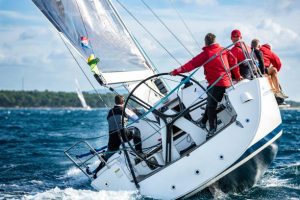
Slow down near the dock and put out bumpers to avoid hitting your boat. If you find that the wind or waves are pushing you forward, stop about two feet away from the dock and let them push you in.
When the wind blows you away, turn the boat a little—about 20 to 30 degrees—when getting close to the dock to help with the wind. Remember to secure your boat with lines before you step out.
Observe Proper Anchoring Procedures
Assuming that you already have the right anchor for your boat, you’ll need to use it properly in order to keep the wind and tide from dragging your boat.
You can do this by dropping two anchors in a V-formation in front of the craft or, for added stability, about 20 to 30 feet deeper into the water. It would help to learn more about anchoring solutions so that you can prepare for different situations.
Undock Safely
If the boat belongs to you or you are going to be sailing it yourself, then knowing about safe and proper undocking becomes from your responsibilities
This involves being aware of docking rules, in addition to the wind direction and nearby traffic, before leaving the dock. Do quick research about safe boat undocking to learn how to cast off under various situations.
Take a Safety Course
According to the U.S. Coast Guard, about 70% of boating accidents happen due to operator errors—not a result of the weather or other external factors.
The ideal way to reduce the risk of accidents from happening after following the previous boating safety tips is to take a boating safety course. You can find online classes besides state-specific ones which offered by the BoatUS Foundation and the U.S. Coast Guard.
Stay Alert
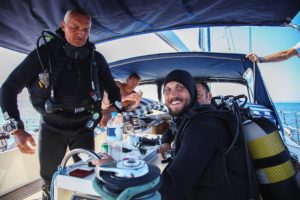
The beauty of the outdoors can distract you easily, but you must remain alert at all times while being onboard.
Keep an ear on your boat radio if you have one, and be ready if something goes wrong. Acting fast can help keep you and others safe.
Use Common Sense
Even after finishing your boat safety course and learning about safe docking and undocking procedures, common sense still be key while in the water.
There is no need for any course to learn certain safe boating rules, such as the need to operate at a safe speed, avoid consuming alcohol while operating a boat, informing your riders about general safety rules before undocking, and never operating a boat without any sailing education and a boating license.