Whether you’re gearing up for your first snorkeling trip or diving deep into open waters, your mask isn’t just gear—it’s your underwater window to wonder. But should you go with the trusted traditional style or embrace the all-in-one design of a full face mask?
In this guide, we will know together when to choose each type, what makes one better for snorkeling, and the crucial FAQs that help you decide. Let’s dive into the details so you can breathe easy and explore with confidence.
When to Use a Traditional Dive Mask
If you’re a novice scuba diver, it is recommended to start with a traditional mask. This is because:
- You can find them easily, and are considered more affordable, in addition to working well for most dive conditions.
- There are fewer straps and seals to deal with.
- With a smaller surface area, you have less fogging up. And if you’re looking for a scuba mask prescription, traditional styles give you more lens options.
- You can also find more modular. swap in your own regulator and add a GoPro mount if you want, and enable you to choose a lens that suits both your face and diving goals. They are also considered the simplest custom option for prescription divers.
Traditional dive masks provide more options for all types of vision correction, such as bifocals, reading inserts, or full-strength vision correction, in addition to being more flexible.
It is a fact that every scuba instructor uses a traditional setup. If you’re a beginner or prefer to control your equipment completely, this type is the safer bet.

When Full Face Dive Masks Make Sense
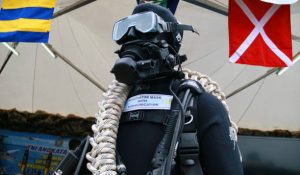
If you’ve moved beyond the basics, full-face masks bring something new and exciting. They’re considered comfortable, especially when delving into long dives. It enables you to breathe naturally without jaw clenching, or dry mouth. And for cold water? keep your whole face warm.
They’re also a great option in case of filming or talking underwater. They are mainly designed for researchers, instructors, or videographers who prefer hands-free communication. It feature integrated system that enable you to hear, speak, and stay streamlined.
Divers who suffer from jaw pain or mouth-breathing anxiety often prefer full-face masks. But unfortunately they are more expensive.
In addition to that, you need a proper fit, too. It is both annoying and risky to have a leak in your full-face mask compared in a small traditional one. Some dive operators require training or certification before allowing them. So it’s not considered “buy it and dive” kind of product, it’s more of a commitment.
Which One’s Better for Snorkeling?
You should know that full-face snorkel masks differ from full-face dive masks. Most of the full-face types that used by tourists in tropical waters aren’t rated for depth. They’re a good option for surface floating but doesn’t suit diving below a few feet.
For snorkeling, traditional masks besides a separate snorkel still can provide you with more reliability. Prescription snorkel masks are easy to find and don’t carry the CO2 risks linked to low-quality full-face models.
A well-ventilatef full-face mask is the best option if you want to stay at the surface and want something easy for casual use—just ensure to be from a trusted brand. But in case of diving deep or need a prescription setup? Choose the traditional.
Best Full Face and Traditional Dive Masks Worth Checking Out
Full Face Masks
- Cressi Duke Dry Full-Face Mask.
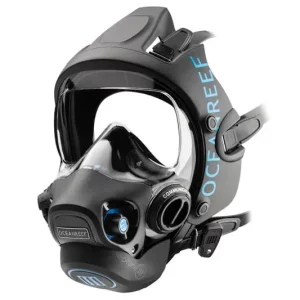
- OTS Spectrum Full Face Mask.
Traditional Masks
- XS Scuba Fusion Purge Mask.
- TUSA Freedom Tri-Quest Mask (M-3001).
Important FAQs
Can you get a prescription in a full-face dive mask?
Not easily, because direct-to-prescription lenses aren’t supported by most companies. Some comes with internal inserts, but unfortunately they are limited and pricey.
Are full-face dive masks safe for beginners?
Full-face dive masks aren’t ideal for beginners, as they need more training and you can hardely clear or remove them in emergencies. The still the best choice for experienced divers.
Do I need a prescription scuba mask if I wear contacts?
In this case, It is not necessary to have a prescription mask, but it’s safer. Having a flooded mask or misaligned lenses can blur your vision. Prescription lenses provide you with peace of mind.
What’s the best dive mask for cold water?
Full face masks is the ideal option in cold water, as they cover more skin in addition to reducing jaw fatigue in frigid conditions.
Can I snorkel with a dive mask?
Absolutely. A traditional dive mask is a great option for snorkelers, especially when wearing it with a dry-top snorkel as well as prescription lenses.
Are full face snorkels actually better than traditional masks?
The full face mask has many benefits. It makes breathing underwater easier than with a standard snorkel.
A full face snorkels doesn’t fog easily and offer an amazing view of the water which is unmatched by traditional mask. The only disadvantage of full face snorkels is that you can’t go underwater for more than 3 feet.
Is a full face mask better for diving?
With a full-face mask, you have a better security of breathing gas supply than with a half-mask in case of having a risk of losing consciousness underwater. The mask faceplate is -in general- a high impact strength polymer that attached securely to the skirt or frame.