With only a streamlined mouthpiece and an oxygen tank on your back, picture yourself plunging into a blue chasm while the captivating dance of marine life envelops you. This seemingly straightforward act of underwater exploration is the outcome of decades of inventiveness and unwavering advancement. The development of diving equipment has revolutionized our capacity to explore the ocean’s depths, starting with the heavy, brass helmets of the 19th century and continuing with today’s sophisticated SCUBA gear. Come along on a historical voyage with us as we explore the intriguing past and astounding discoveries that influenced the development of the diving equipment we use today.
The Helmet Era: The Early Years
The earliest known usage of diving equipment was by Greek sponge divers who collected sponges from the seafloor by employing basic breath-holding maneuvers. The development of the diving helmet in the early 19th century, however, marked the true turning point.

The brothers Charles and John Deane invented the first useful diving helmet in 1823, although it was originally intended to be used as a firefighter’s helmet. This helmet was altered for underwater usage, and a pipe was used to link it to a surface pump so the diver could get air. Engineer Augustus Siebe, a native of Germany, quickly made improvements to the design and unveiled the “closed” diving helmet. During the 19th and early 20th centuries, the conventional diving garment was developed based on Siebe’s helmet, which had a waterproof clothing.
SCUBA, or self-contained underwater breathing gear
The development of the aqualung, the first practical self-contained underwater breathing equipment (SCUBA), marked the next major advancement in diving technology. Engineer Émile Gagnan and French navy officer Jacques-Yves Cousteau created a gadget in 1943 that gave divers more flexibility and mobility underwater. An innovative development over surface-supplied air systems, the aqualung was made up of high-pressure air tanks and a demand regulator that delivered air to the diver only when they breathed.
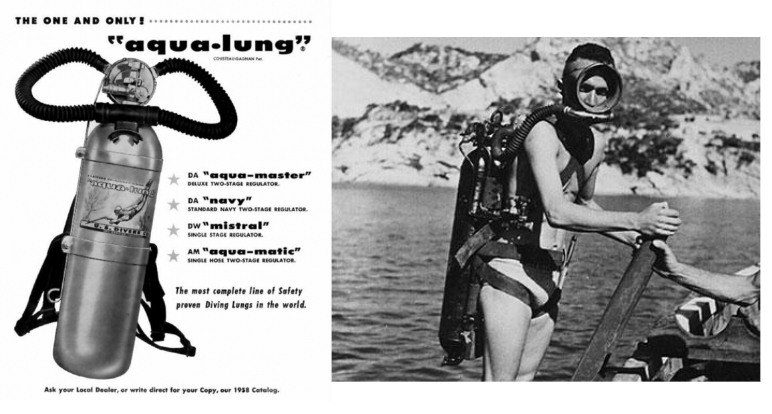
SCUBA technology transformed diving, increasing accessibility and safety. Now that they could descend farther without being attached to the surface, divers might pursue new opportunities for leisure diving, underwater photography, and scientific investigation. SCUBA’s growth also accelerated improvements in dive safety procedures and instruction, which paved the way for the 1960s founding of groups like the Professional Association of Diving Instructors (PADI).
Contemporary Innovations: Improving Comfort and Safety
Diving equipment has developed steadily since the introduction of SCUBA, utilizing new materials and technologies to improve performance, comfort, and safety. Important inventions consist of:
-
Mouthpieces and Regulators: Newer regulators are made to provide air more pleasantly and effectively. Breathing comfort has been increased with the introduction of balanced regulators, which modify the air delivery based on depth. Furthermore, ergonomic mouthpieces have been created to improve comfort and lessen jaw strain during extended dives.

-
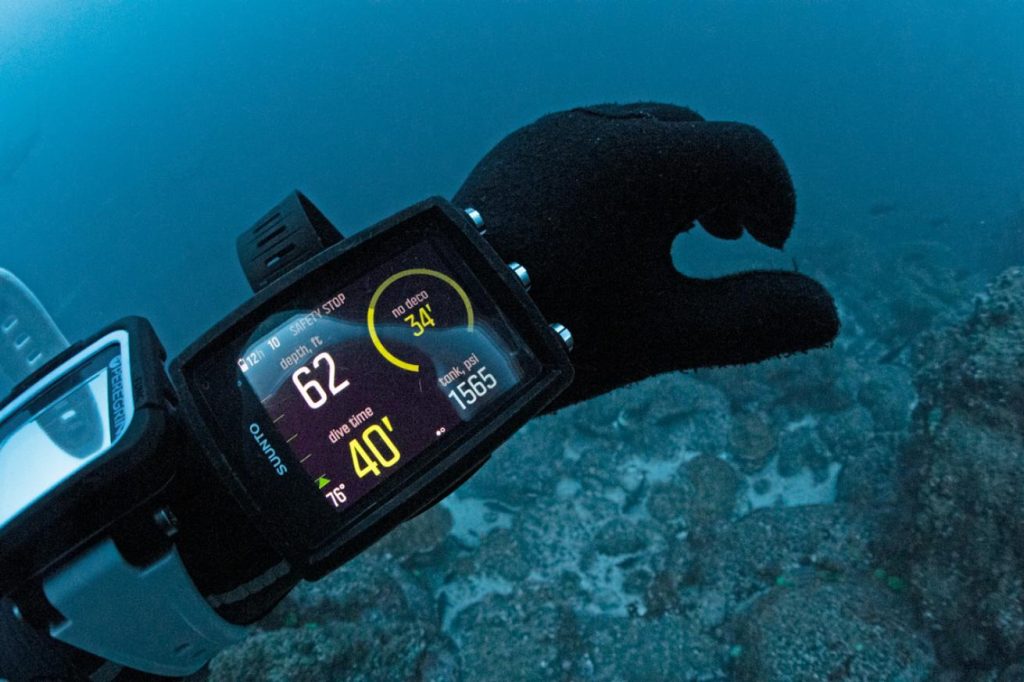
Dive Computers: The dive computer is one of the most revolutionary inventions in diving equipment. By monitoring depth, time, and the state of decompression, these gadgets assist divers in controlling their ascent and preventing decompression sickness. With real-time data and improved safety, dive computers have virtually supplanted traditional dive tables.
-
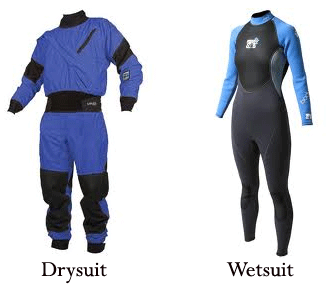
Wetsuits and Drysuits: New developments in materials science have produced thermal protection suits that are more efficient. Neoprene is used to make contemporary wetsuits, which offer superior flexibility and insulation. Drysuits, which keep the diver fully dry in colder climates, have advanced in sophistication throughout time, adding technologies like integrated buoyancy control and self-donning zippers.
-
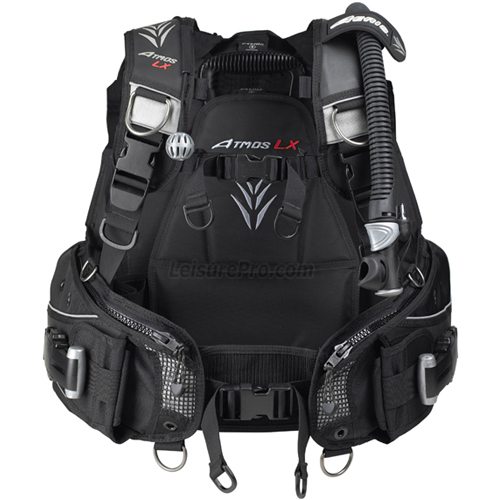
Buoyancy Control Devices (BCDs): BCDs have developed from basic life jackets to intricate devices that enable divers to precisely regulate their buoyancy. Integrated weight systems, many adjustment points, and a variety of setups to accommodate different diving styles are features of contemporary BCDs.
-
Underwater Communication Systems: Thanks to developments in this field, divers may now communicate with surface support teams as well as each other. These technologies improve safety and cooperation during difficult dives by transmitting voice messages via ultrasonic waves.
The Evolution of Scuba Equipment
There is no indication that the advancement of diving equipment will stop. New technologies have the potential to further transform the underwater experience:
-
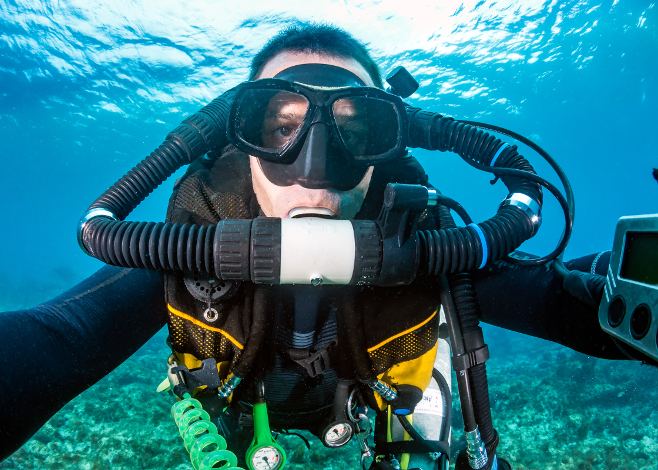
Rebreathers: Rebreather technology is become more widely available. It recycles exhaled air by taking out carbon dioxide and adding oxygen. This technique is perfect for deep and complex diving since it prolongs dive periods and eliminates the need for big air tanks.
-
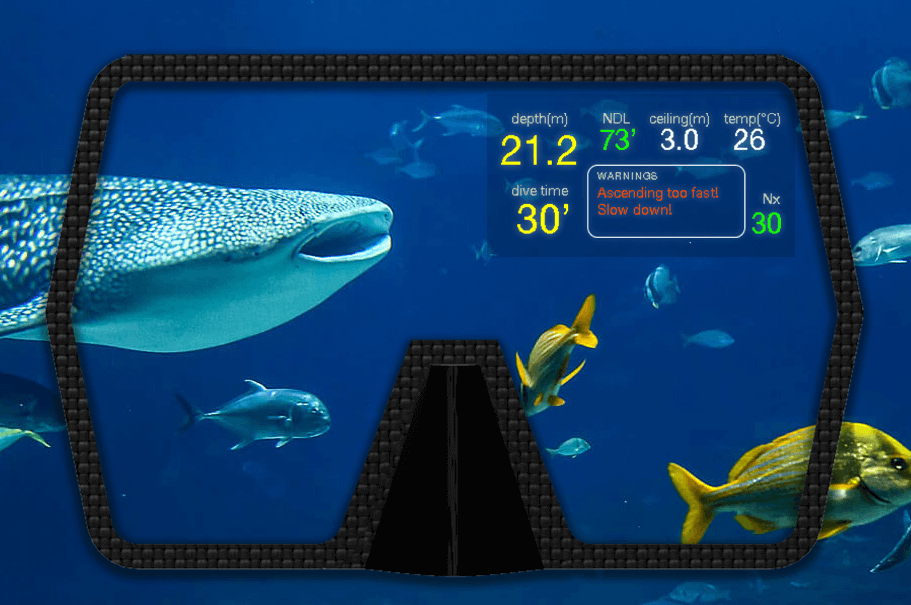
Smart Diving Equipment: It will soon be possible to incorporate smart technology into diving equipment. This includes augmented reality (AR) masks that project vital information right into the diver’s field of view, such as oxygen supply, depth, and navigational data.
-
Biometric Monitoring: Vital indications including body temperature, oxygen saturation, and heart rate may be tracked by biometric sensors built into diving equipment in the future. The use of this data can improve safety by warning divers of any health problems before they get out of hand.
-
Advanced Materials: Further investigation into these materials might result in diving equipment that is even more dependable, efficient, and light. New composite materials and textiles strengthened with graphene may result in equipment and suits with improved flexibility, durability, and protection.
From helmets to mouthpieces, diving equipment has evolved to reflect mankind’s ongoing interest with the undersea environment and our unwavering quest for adventure and discovery. With every development, we are now able to explore the depths in greater safety and comfort, opening up new horizons for industry, science, and enjoyment. With new tools and approaches to assist us further unlock the mysteries of the deep, diving has even more potential for the future as technology develops. The constant improvement in diving equipment guarantees that the undersea world stays an accessible and fascinating frontier, whether for scientists, recreational hobbyists, or professional divers. Happy and safe diving!