In the previous article, we talked about “Regulator Cleaning“, and introduced a complete guide about this important skill in the open water course. In this article, we’re going to talk about another essential skill in the Open Water course “Regulator Recovery”. The Regulator recovery method is one of the fundamental techniques taught in open-water scuba diving training. This ability is essential for keeping divers confident and calm underwater and for enabling them to quickly restore control in the event that a regulator malfunction. We will discuss the nuances of regulator recovery, its importance in diver training, and how being proficient in this skill allows divers to safely explore the underwater world.
Comprehending the Regulator:
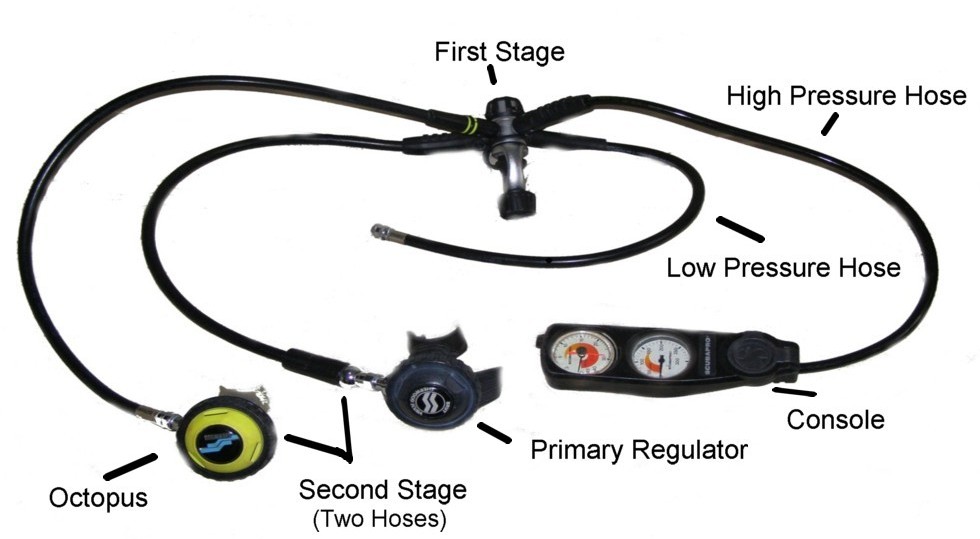
It is important to comprehend the regulator’s operation before beginning the cleaning procedure. The intricate piece of gear that regulates the airflow from the tank to the diver’s mouth is the scuba regulator. It is made up of several parts, such as mouthpieces, hoses, valves, and first and second stages. These elements can gather sand, salt, debris, and even biological development over time, which can compromise both performance and safety.
Regulator Recovery’s Significance in Open Water Courses
For a number of strong reasons, regulator recovery is a basic ability included in open-water scuba diving training.
-
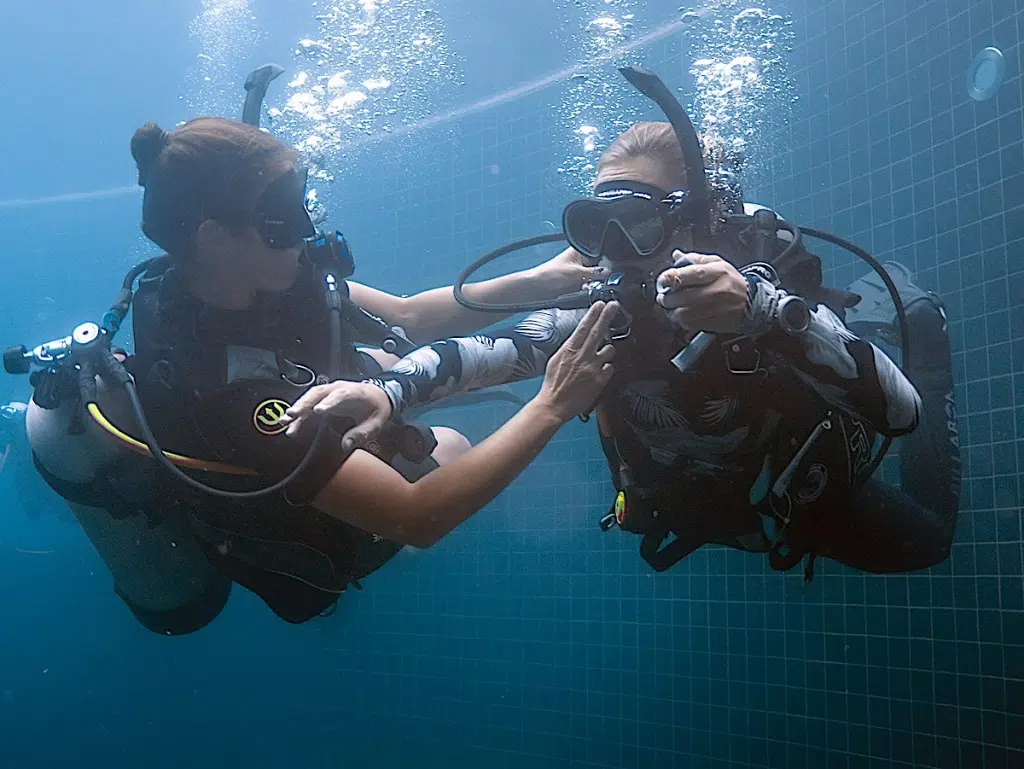
Buddy Communication: The significance of unambiguous communication among diving partners is highlighted by regulator recovery. Divers develop good communication and signaling skills, which provide a climate of safety and support among one another.
-
Buddy Communication: The significance of unambiguous communication among diving partners is highlighted by regulator recovery. Divers develop good communication and signaling skills, which provide a climate of safety and support among one another.
-
Safety: Regaining and reestablishing airflow is crucial to diver safety in the case of a regulator malfunction or dislodgement. Gaining confidence in oneself and ensuring one can respond to situations underwater are two benefits of mastering regulator recovery.
-
Self-Sufficiency: Open water divers frequently go into areas where it would not be possible to get help right away. Divers who master regulator recovery techniques become autonomous and proficient at troubleshooting equipment on their own.
-
Stress management: Diving in an underwater environment may be stressful and nerve-wracking, especially for first-time divers. By teaching divers how to maintain composure in unexpected circumstances, regulator recovery training reduces the likelihood of panic.
Developing Your Regulator Recovery Skills:
The key to a successful regulator recovery is a methodical strategy and accurate implementation. Typical topics covered in open water scuba diving training include the following:
-
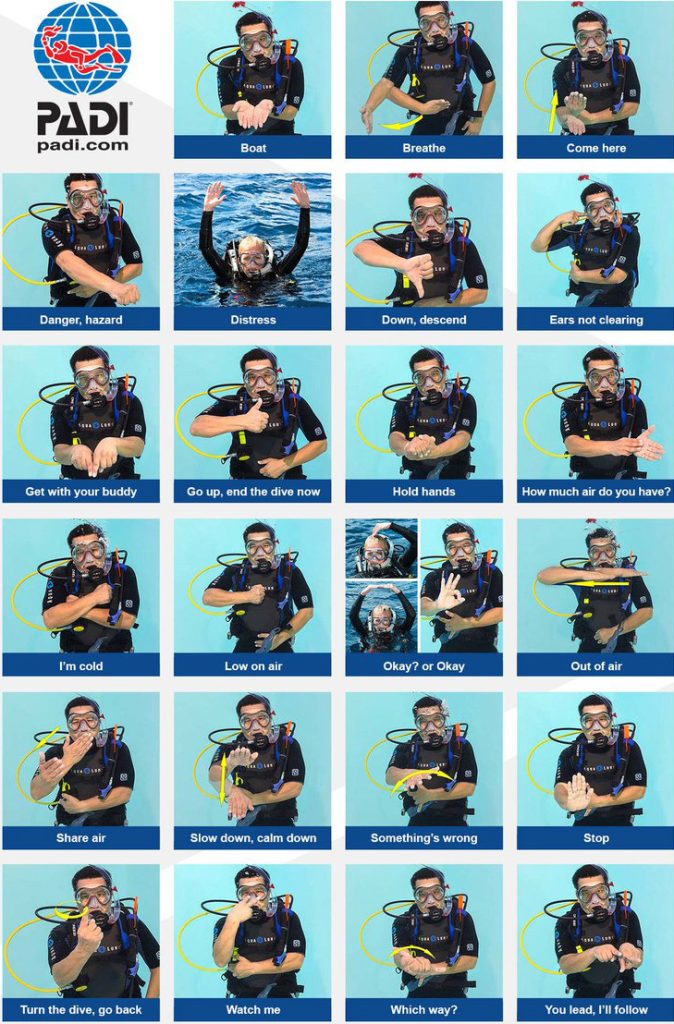
Signal Recognition: Divers are trained to identify distress signs, including frenzied gestures or tapping motions, that point to a regulator problem.
-
Controlled Ascent: Divers are advised to ascend gradually while keeping control of their buoyancy in the event that a regulator malfunctions. Decompression sickness risk may rise if you rush to the surface.
-
Buddy Awareness: In situations involving regulator recovery, dive partners are essential. Divers are taught to keep eye contact and express their objectives clearly with their buddies.
-
Retrieval Technique: Divers may use a variety of techniques, such as reaching for the loose regulator or utilizing touch to locate it, depending on the situation.
-
Orientation and Purging: After retrieving the regulator, divers make sure it is correctly orientated before quickly purging any remaining water from the mouthpiece.
-
Controlled Breathing: After placing the regulator in their mouth and tightening it with their lips, divers may start breathing normally again. Breathing slowly and deeply can assist control breathing and keep one’s composure.
-
Signal Confirmation: Divers who have successfully recovered their regulator provide a signal to their companion indicating that they are well and prepared to resume the dive.
Education and Experience:
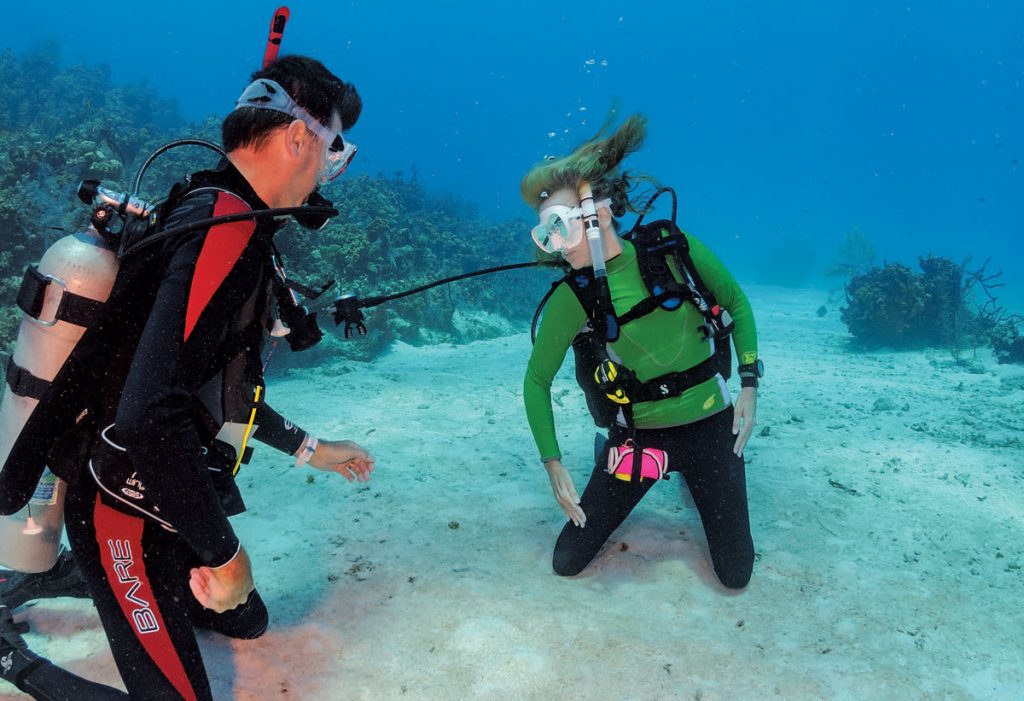
Trained dive instructors guide you through intense training and practice sessions to refine your regulator recovery abilities. Open water courses combine theory with hands-on training so that divers may become comfortable with regulator recovery procedures in a controlled setting before using them in actual situations.
Divers conduct recovery techniques and mimic different regulator faults during training sessions until they become second nature. Scenarios including regulator free-flow, unintentional dislodgement, or becoming entangled with equipment could be included in these exercises. Divers build muscle memory and self-assurance in their capacity to react to crises via practice and reinforcement.
Practical Uses:
There are several real-world instances where regulator recovery has been crucial in averting accidents and saving lives, proving the value of this talent outside of training settings. Divers depend on their skills to negotiate difficult conditions and guarantee the safety of themselves and their fellow explorers on both leisure and professional dives.
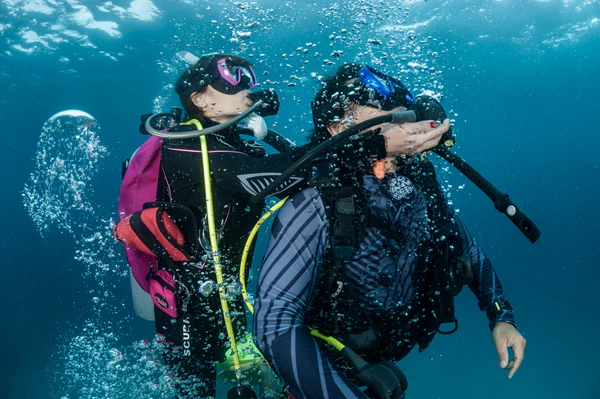
When it comes to scuba diving, being proficient in regulator recovery is more than just a talent; it’s a capability that can save a diver’s life. Open water scuba diving classes are crucial in teaching this vital ability, enabling divers to bravely and confidently explore the undersea environment. Through comprehension of the importance of regulator recovery, practice and training, and a dedication to safety, divers prepare for whatever problems the ocean may bring before they even set out on their underwater excursions. Happy and safe diving!