Out on the open water, being prepared isn’t optional—it’s essential. When you’re miles from shore, the right equipment can make all the difference in keeping a situation under control and having a good dive.
From minor cuts to unexpected emergencies, having the Perfect First Aid Kit for the Dive Boat means you’re ready to respond quickly, confidently, and effectively, so you and your dive buddies can focus on what you came for: which is a safe, unforgettable dive experience.
The Importance of a Diving First Aid Kit
A diving first aid kit is essential for these reasons:
- Immediate Response:It enables you to treat any common diving injuries quickly, such as cuts, scrapes, and stings from marine life, which can easily turn into an infection due to the saltwater environment.
- Safety and Preparedness:A well-stocked first aid kit guarantee your preparedness for unexpected incidents, from minor injuries to serious accidents, and in turn enhancing safety through the dive trip.
- Tailored for Marine Injuries:Unlike a standard kit, a diving first aid kit includes items to manage specific problems, for example vinegar for the stings of jellyfish, antiseptic for the cuts due to coral, and specialized dressings.
- Enhances Survival:The first aid kit provide you with an immediate care of injuries, and in-turn prevent them from becoming life-threatening before the attendance of professional medical aid.
Basic Essentials for Every First Aid Kit
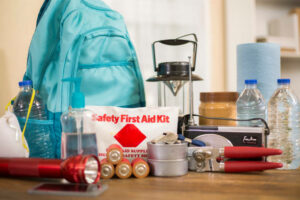
These are the essential items every first aid kit should include.
- Emergency First Response Participant Manual and Care at a Glance – for quick reference.
- The phone numbers of the emergency services, in addition to emergency contact information.
- Any necessary prescription medication besides with the dosage instructions.
- Latex gloves to serve as a barrier against blood borne pathogens (spares to replace then if they tear or are punctured).
- Ventilation barrier like a face shield or a pocket mask.
- Sterile gauze pads with various sizes for cuts and scrapes.
- Adhesive tape for dressing wounds.
- Triangular bandage to deal with sprains,fractures, and immobilising dislocations.
- Sterile cotton as a wound dressing.
- Cotton tipped swabs for wound cleaning.
- Scissors to use it to cut clothes or dressings.
- Tweezers or needles to use them in removing foreign subjects.
- Clinging rolled bandages having different sizes to dress wounds.
- Oral thermometer.
- Antibacterial soap or hand wash in order to clean yourself up after providing care.
First Aid Kit for the Dive Boat
If you’re going to spend your holiday on the dive boat, or even any of the other watersports, having first aid kit for the dive boat is essential.
Diving and being out on the ocean come with very different risks, so it’s important to start with your essential first aid kit items in addition to your “tailored items” to deal with bad eventualities such as stings, sea sickness, cuts and abrasions from coral or other risks like, dehydration, sunburn, drowning, shock and DCI cases. (This list assumes the boat has enough fresh water to clean wounds and stay hydrated).
When making any dive trip, Ensure that dive boat features communications systems on board (either a phone or marine radios) and is able to call for emergency in case of any accident. Have a list of all participants, including any pre-existing conditions they suffer from and the medications they take.
- PADI Dive Accident Management Work Slate: For logging the details of an accident in addition to following the Dive Accident Management Flowchart.
- Vinegar: As a treatment for the stings of the jellyfish and other marine life.
- Hot Water / Hot packs:To treat venomous bites, stings or puncture wounds resulted from sea urchins etc.
- Anti-motion sickness medication: To deal with sea sickness.
- Antiseptic solution: Used in cleaning wounds after washing.
- Antibacterial soap: To wash wounds.
- Hydrocortisone ointment: As an anti-inflammation for stings or skin irritations
- Antihistamines: As a treatment for allergic reactions.
- Adhesive bandages: For holding dressings in place.
- Sun lotion (for preventative care).
- Rehydration drink sachets.
- Automatic External Defibrillator (AED): For DCI and drowning cases in which the diver is unresponsive.
- Emergency breathing oxygen: This should have both a demand valve for divers who are breathing and a continuous flow option for non-responsive divers.
- Tinfoil exposure blanket: Can also be used as a treatment for shock and hypothermia.
Enroll NOW in the Emergency First Response Course with DRAR
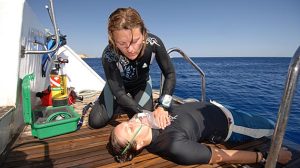
Having the right first aid kit is only half the equation—knowing how to use it is what truly keeps divers safe. By enrolling in the Emergency First Response Course with DRAR DIVING Center, you’ll gain the practical skills and confidence to respond quickly and effectively to both minor injuries and serious dive emergencies.
From CPR and oxygen administration to managing shock and injuries from marine life, this course prepares you to take control when it matters most, so you can protect yourself, your dive buddies, and guarantee having safe, smooth, and unforgettable dive trips.