


Imagine gliding through the waves with a wetsuit that feels like a second skin. The right wetsuit fit can make all the difference in your aquatic adventures, from surfing to scuba diving.
In this article, we dive deep into the essentials of wetsuit fitting, covering everything from measurements to tips for ensuring a comfortable and efficient fit.
Whether you’re a seasoned enthusiast for water sports or a curious beginner, our guide will help you find the right wetsuit fit so you can conquer the waters with confidence. Let’s get started on your journey to finding the ultimate wetsuit fit!
How to Take Accurate Measurements for the Right Wetsuit Fit
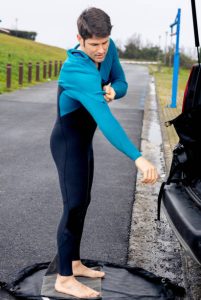
To find the right wetsuit fit, you should take the accurate body measurements. If you have trouble measuring yourself, your favorite surf gear shop can help you.
Here’s the process for measuring a wetsuit:
- Chest/Bust: Measure the broadest part of your chest/bust with the tape measure comfortably snug.
- Waist: Measure the smallest part of your waist.
- Hips: The measurement should be around the widest part of the hips.
- Height: Stand straight against a wall and measure from head to floor.
- Weight: Your weight also helps determine your wetsuit size.
You can compare these measurements to the sizing charts that are provided by wetsuit manufacturers. Follow each brand’s sizing guidelines as sizes vary.
How to Ensure a Snug and Comfortable Wetsuit Fit
A wetsuit should fit like a second skin, tight but not restrictive or painful. Pay attention to these areas when trying on a wetsuit:
Torso
- Fit: The wetsuit should fit snugly around your torso, chest, abdomen, and back, without any loose or baggy areas.
- Test: Bend forward, twist side to side, and stretch your arms overhead. The suit should move with you easily without being restrictive.
Shoulders and Arms
- Fit: The shoulders and arms should allow full motion, especially since swimming requires repetitive arm movements, making flexibility crucial in these areas.
- Test: Perform a swimming stroke to check that the wetsuit doesn’t pinch or pull around your shoulders and underarms.
Legs
- Fit: The legs should have a snug fit without being overly tight. Your thighs and calves should be covered smoothly with the wetsuit without bunching up.
- Test: Do squats and kicks in order to check for comfort and flexibility.
Neck
- Fit: The neck area in the suit should be snug to keep water out, but not so tight that you feel it’s choking you.
- Test: To make sure this area is comfortable without restricting your breathing or movement, try to move the head up and down, and side to side.
Ankles and Wrists
- Fit: Ankles and wrists areas should be snug enough to reduce water entry, but comfortable enough to maintain circulation.
- Test: Check for discomfort or tightness that may cause irritation over time.

Wetsuit Fitting Tips
- Dry vs. Wet Fit: Wetsuits feel tighter when dry but loosen slightly when wet. So, put into consideration it should feel snug when putting it on land but once you are in the water, it will become more comfortable.
- Use a Plastic Bag: To put on your wetsuit easily, a plastic bag is a good option to use over your feet and hands. This will reduce friction and make the suit slide more smoothly.
- Check the Zipper: Check that the back zipper works smoothly without causing discomfort. Some wetsuits feature chest zippers to add extra flexibility.


