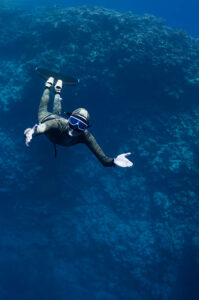
When you slip into your wetsuit, you’re not just donning a piece of gear, you’re stepping into a world of innovation, comfort, and protection against the wild life of the ocean. But have you ever wondered what materials make these suits so efficient? Or why does your snug fit seem to tighten over time?
In this article, we will explore the fascinating world of wetsuits, from what they’re made of to the causes of wetsuit shrinkage.
What Material are Wetsuits Made of?
Wetsuits are mainly made from neoprene which is one of the types of synthetic rubber that is famous for its good flexibility and insulation properties. Neoprene is usually coated with fabrics like nylon or spandex in order to boost durability and flexibility.
Common wetsuit materials include:
- Nylon: Commonly used as a lining for durability and skin comfort.
- Spandex: Adds stretch and flexibility for enhanced movement.
- Polyester: Used as a type of linings for its moisture-wicking properties and also to add warmth.
- Thermal linings: Some wetsuits have thermal linings like fleece or titanium-infused fabric to get better insulation and preserve body temperature.
- Seam tape: Seam tape reinforces wetsuit seams from the inside to block water and enhance durability.
These materials combine together to produce insulating, comfortable, protective,and flexible wetsuits that are suitable for different water activities.
However, Depending on the type and construction of the neoprene, you get different qualities of wetsuits, including how long they can last in addition to their thickness.
Standard neoprene is considered the core material in wetsuits, as it offers sufficient insulation and flexibility that are suitable for different water sports in moderate conditions.
High-stretch neoprene is designed to boost flexibility and provide a wide range of motion, which makes it perfect for agility-demanding sports like surfing and paddleboarding.
Thermal neoprene includes extra linings or layers to enhance insulation and preserve body heat, which makes it suitable for colder waters or extended periods in water.
Attention! Depending on the sport you practice, it is worth it to invest in an expensive high-quality wetsuit, to save your money and ensure both your safety and comfortability..
Smoothskin neoprene has a slick, water-repellent exterior that helps in preventing water entry and wind chill. This provides extra warmth and comfort in cold or windy conditions.
Closed-cell neoprene has small gas-filled bubbles that improve buoyancy which make it the ideal choice for activities like scuba diving, in which buoyancy control is crucial.
Yamamoto neoprene is considered a top-of-the-line choice due to its superior quality and performance. It offers outstanding insulation, flexibility, and durability that exceed standard neoprene. It’s usually used in high-end wetsuits.
Attention! Wetsuits have various colors, but the black one isn’t only considered classic, but also for other more reasons.
In addition to that, Some manufacturers provide eco-friendly neoprene alternatives, made from materials like limestone or recycled rubber, to reduce the environmental impact of wetsuit production while maintaining performance and quality.

What are the Causes of Wetsuit Shrinkage?
Anyone who has ever wondered, “How much does my scuba equipment cost?” or “How much did I spend on surfing this year?” knows for sure that water sports gear can have a high price!
This news about wetsuits possibly altering their fit is definitely worth reconsidering! But fortunately, knowing the causes of wetsuit shrinkage lets you take some steps to prevent it.
Several factors that are considered from the causes of wetsuit shrinkage:
- Heat Exposure: Exposure to high temperatures, from hot water, direct sunlight, or drying methods as in using a clothes dryer, can be from the main causes of wetsuit shrinkage.
- Improper Drying: If you hang your wetsuit in direct sunlight or use high heat while drying, this can cause wetsuit shrinkage. It’s crucial to use gentle drying methods, like air drying in the shade or a wetsuit hanger, to avoid neoprene damage.
- Storage Conditions: If you store your wetsuit in humid or hot environments can accelerate neoprene deterioration and causes wetsuit shrinkage over time.
- Age and Wear: Do wetsuits shrink over time? Yes, as wetsuits age and regular wear and tear happens, the neoprene can lose elasticity, leading to a higher likelihood of shrinkage.
- Improper Care: some practices, such as not rinsing the wetsuit thoroughly after each use, folding the wetsuit incorrectly, or using harsh detergents can damage the neoprene and cause wetsuit shrinkage.
- Fit: Wearing an overly tight wetsuit or applying too much pressure to specific areas can lead to localized shrinkage over time.
- Using Lubricants: Petroleum-based lubricants, like Vaseline, can damage wetsuits by degrading the neoprene material over time. This leads to a loss of elasticity and increases the risk of tearing or puncturing. In addition to that, these lubricants may leave residue on the wetsuit, attracting dirt and debris that further deteriorates the material.
Wetsuit shrinkage can be frustrating for water sports enthusiasts, but understanding its causes helps manage it effectively.
Ensuring a long lifespan for your wetsuit can be achieved by taking proper care, gently drying it, and avoiding excessive heat. By this way, it will stay a reliable companion for many aquatic adventures.

Do Wetsuits Shrink Fast?
The rate at which a wetsuit shrinks varies depending on factors like heat exposure, neoprene quality, and the conditions where it’s stored or used.
In some cases, you may notice shrinkage after exposure to high temperatures or using improper drying methods, including leaving your wetsuit in direct sunlight or drying it by a clothes dryer having high heat settings.
In some cases, shrinkage can happen gradually by time because of repeated heat exposure, the aging of the neoprene material, or improper care.
Attention! When you purchase a wetsuit, set a comparison between the different wetsuit prizes and qualities first before you choose one.
Do Wetsuits Shrink in Water?
Wetsuits generally don’t shrink in water. Neoprene, which is the main material used, is water-resistant and maintains its size and shape when being submerged under water.
However, you may feel that your wetsuit becomes tighter or looser when wet because of the compression of the neoprene and when the water gets inside between the suit and the skin of the wearer.
Attention! In addition to that, Wetsuits might stretch a bit over time with repeated use, but this is often reduced and doesn’t lead to significant shrinkage.
The causes of wetsuit shrinkage include being exposed to hot water like that from a hot tub or an overly hot wash. Regular ocean or pool water, however, doesn’t significantly affect its size.

Will a Wetsuit Stretch Over Time?
Yes, wetsuits can stretch over time, particularly if made from neoprene. This flexible material can gradually stretch by repeated use.
In addition to that, factors including exposure to saltwater, sunlight, and other environmental conditions can cause stretching of wetsuits by time.
Some stretching is normal, but excessive stretching can have a bad effect on the fit and performance of the wetsuit. Proper care, including rinsing the wetsuit with fresh water after each use and avoiding prolonged exposure to direct sunlight, can help maintain its shape and prolong its lifespan.