


Ever felt like your gear was working against you underwater? The secret to a balanced, blissful dive often lies in the weight system you choose. From belts to integrated setups, each type has its quirks, and its perks.
This guide breaks down the six main types of dive weight systems in plain language, so you can purchase what suits your body, your dive style, and your sanity. No stress, no confusion—just easy, balanced diving.
Types of Dive Weight Systems
There’s more than one way to stay grounded underwater. Let’s break down the six main types of dive weight systems—simple, clear, and easy to compare.
- Weight Belt.
- Integrated Weights.
- Hard Weights.
- Soft Weights.
- Trim Weights.
- Ankle Weights.
Weight Belt
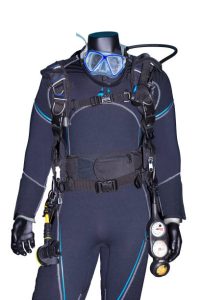
We can define weight belts as a commonly used method to wear weights. Scuba divers usually wear them around the waist. Hard lead weights slide onto the belt. The belt has the ability to be easily adjusted with quick-release buckles that allow for fast removal in case of any emergency.
You may prefer the weight belt from all the types of dive weight systems because of its affordability, simplicity, and ease of customization. In addition to that, you can shift or add weights when needed.
However, besides all these advantages, some divers find them uncomfortable due to the pressure it causes on the hips or lower back, especially during longer dives.
Integrated Weights
Many modern types of buoyancy control devices (BCDs) come with integrated weight pockets, which have the ability to place the weights inside the jacket itself. This weight system is convenient because it spreads the diver’s weight across the body, which in turn reduces strain on the lower back.
You can also quickly release your integrated weights in emergencies by pulling handles attached to the weight pockets. Scuba divers who prefer comfort and ease of setup will choose integrated weights, but unfortunately they can find them slightly more expensive than a weight belt.
Hard Weights
Hard lead weights are the traditional one from the types of dive weight systems for divers and they can use them with either weight belts or integrated pockets. Their advantages lie in being durable and long-lasting but you will find them less comfortable against the body than soft weights.
As a scuba diver, you may choose hard weights for their durability and precision, but ensure that their setup doesn’t lead to discomfort when diving for longer periods.
Soft Weights
Soft weights are compact bags packed with lead pellets. These are considered one of the types of dive weight systems that conform more comfortably to the diver’s body, making them a common option if you find hard weights uncomfortable.
You can use soft weights with either weight belts or integrated pockets and are equally easy to quick-release. Scuba divers who see that their comfort and flexibility are priority will often prefer soft weights.
Trim Weights
Trim weights are considered small, strategically placed weights that help you achieve better body positioning and trim beneath the waves. You can place trim weights in various areas, for instance higher up on the BCD or near the tank.
Trim weights are the best choice for experienced divers who want to fine-tune their buoyancy and reduce drag. Quick release isn’t usually needed for this type, as they’re small and placed for buoyancy balance.
Ankle Weights
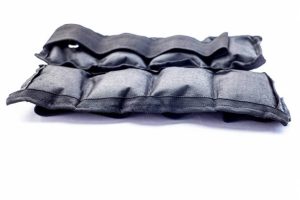
Ankle weights are small type weights which suit divers who face difficulty in keeping their legs down, especially with buoyant wetsuits.
While they are not considered a common choice for all divers, they suit divers with specific trim issues or those diving while wearing thick exposure suits. They help keep your legs steady in the water, but if you use them wrong, they can slow you down.


