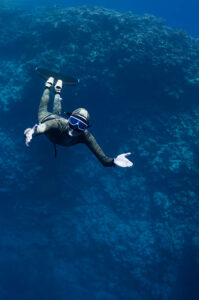
Diving wetsuits are more than just clothing; they keep you comfortable and safe while diving. Whether you’re a novice diver or an experienced one, knowing about your wetsuit is important.
In this article, we’ll answer common questions about diving wetsuits, from how they should fit to how to take care of them. Let’s explore the basics of these important diving companions.
Why Would I Need a Diving Wetsuit?
Wetsuits can keep you warm underwater, aid in body heat retention, in addition to providing protection against the elements and stinging marine creatures.
What Do I Wear Under My Diving Wetsuit?
What to wear under your wetsuit is determined depending on the diving conditions. You can wear nothing, a rashguard, a bathing suit, leggings, or even another wetsuit – in case of scuba diving in cold water. But, it is totally up to you.
What is the Importance of Wetsuit?
Wetsuits help in regulating your body temperature, as it traps a thin layer of water between your body and the suit in order to keep you warm. This is essential for scuba divers who plan to stay in the water for long periods or swimming in cold climates, making it an important piece of gear for open water diving.
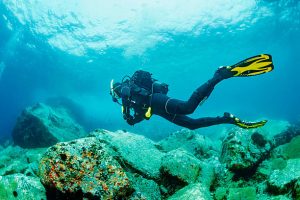
Can You Dive Without a Wetsuit?
Absolutely. Wearing a wetsuit while practicing water-based activities is recommended for cold waters, protecting you against the environment, and to keep you warm.
However, in case of diving in warm water, your bathing suit and a rashguard are considered perfect choices. We suggest wearing a rashguard to protect your skin from the BCD.
Will My Diving Wetsuit Stretch Out?
Actually, no. The material of the wetsuit will compress a bit over time. It’s the nature of neoprene and wearing it underwater in which you’re compressed. This is only what happens naturally.
What Does 3/2 mm Mean in Diving Wetsuits?
It usually means that this wetsuit has 3 mm on your torso and the 3 mm on the arms and legs.
Is a Wetsuit Restrictive?
Yes, they can be. In fact, the higher the thickness, the less the flexibility you will have. That is why many individuals choose a wetsuit with higher thickness for the torso and less for the arms and legs.
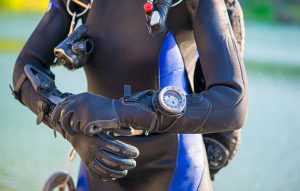
How Much Should I Spend on a Diving Wetsuit?
Advancements in manufacturing and materials now allow for high-quality scuba wetsuits at more affordable prices.
You’ll need to invest at least $250, as cheaper neoprene suits wear out quickly and are prone to ripping. High-quality neoprene offers both better thermal properties and durability.
What Style of Wetsuit Do I Need for Scuba Diving?
You should choose your wetsuit style depending on the conditions of the water you are diving in. Shorty wetsuits, which cover only the main torso, are ideal for shallow diving in warm water due to their flexibility as well as freedom of movement.
However, if you plan to dive below the thermocline, you’ll need warmer gear to maintain your body temperature.
Full-length steamers are full-body suits that provide extra warmth and protection against abrasions, making them perfect for wreck and reef diving to prevent any scrapes and cuts.
Layer systems are semi-dry suits made of multiple layers of neoprene, providing better water retention and thermal insulation. They’re perfect for cold water environments.
Do I Need a Lining in My Scuba Wetsuit?
You can add linings to wetsuits to enhance thermal properties, as they help in trapping more water leading to improving insulation.
This can be a good option if you want to upgrade your thinner wetsuit if you are planning to dive in cooler water conditions than you are usually used to. Plush linings add luxury to the wetsuit by providing a soft and comfortable feel.
What Thickness Scuba Suit Should I Buy?
Wetsuit thickness balances flexibility and warmth. Thicker neoprene offers better thermal insulation but restricts movement. Wetsuits generally come in 3mm, 5mm, and 7mm thicknesses.
If you plan to dive in the tropics, then 3mm wetsuits are the best option because they offer high degree of flexibility and some protection against cold water conditions as you dive below the thermocline.
For scuba diving in the Red Sea, a 5mm steamer suit is ideal as it offers both warmth and freedom of movement. In contrast, for summer diving in Western Europe, a 7mm suit may be more appropriate due to water temperatures that can drop to 15 degrees Celsius.

What is the Most Important Measurement for a Wetsuit?
chest measurement
In addition to height and weight, chest measurement is crucial. Exceeding the chest measurement can make the wetsuit difficult to put on and feel restrictive in the arms, hindering paddling.
Is it OK to wear a wetsuit all day?
Wetsuits aren’t made to be worn all the time. They can get sweaty and itchy, becoming homes for bacteria that harm your skin and mood, and may even cause long-term damage to the wetsuit.
How many years do wetsuits last?
If you care for your wetsuit properly, it can last anywhere from 2 to 3 years on average with regular use.