When it comes to water sports and scuba diving, the right wetsuit thickness can make a big difference. Whether you’re braving the waves, exploring underwater wonders, or navigating various water conditions, the right insulation is an essential factor to maintain comfort and performance.
In this guide, we’ll delve into the importance of wetsuit thickness for water sports enthusiasts and provide a comprehensive scuba diving wetsuit guide, including tips on choosing between wetsuit thickness, semi-dry suits, and drysuits. Ready to explore the depths of wetsuit wisdom? Let’s start.
Water Sports and Wetsuit Thickness
Knowing the right wetsuit thickness for water sports that meets your needs is an important thing when it comes to choosing the perfect wetsuit. you choose the proper thickness, you will enjoy your favorite water sport while being comfortable (Neither too cold, nor too warm).
Wetsuits are made from neoprene for various water sports, such as snorkeling, surfing, kite surfing, windsurfing, and, of course, scuba diving. With wetsuits, we can dive year-round and in almost any location, regardless of how cold the water is.
To choose the right wetsuit thickness for your needs, check out our guide that considers wetsuit thickness, water temperature, and your sport. Here’s a quick guide to help you determine the best wetsuit thickness for different water temperatures:
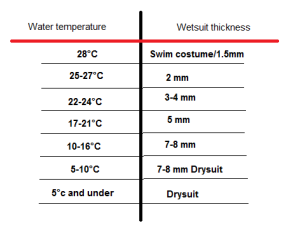
The Recommended Wetsuit Thickness for Water Sports
The recommended Wetsuit Thickness for water sports includes::
- Recreational Diving: In case of scuba diving in tropical waters, a 2-3 mm wetsuit will be perfect to feel comfortable. While temperate waters demand a 4-5 mm wetsuit to prevent overheating. In colder waters, a 5-7 mm wetsuit is vital in order to avoid hypothermia.
- Technical Diving: Technical divers who in cold or deep waters should choose 5-7 mm wetsuits or even thicker if necessary. These thicker wetsuits offer sufficient insulation for long dives whose conditions are challenging.
- Snorkeling: In warm waters, a 2-3 mm wetsuit will provide you with adequate protection. While cooler waters, such as those in temperate zones, require a 4-5 mm wetsuit.
- Surfing: Surfers who surfe in cold waters need a wetsuit has a thickness range between (6-7 mm) to stay warm while surfacing for long time. In warmer climates, a thinner wetsuit (2-3 mm) can protect you from sunburn and abrasions without feeling overheated.
Don’t forget that the right wetsuit thickness for water sports isn’t just about water temperature, as it also depends on several factors, such as your personal comfort as well as the type of water sport you will practice. A wetsuit that has the right fit and correct thickness is essential for both your safety and comfort during your aquatic adventure.

Scuba Diving Wetsuit Thickness Guide
Wetsuit Thickness
Wetsuits are ideal for warmer waters because they are the thinnest and most flexible exposure suits. They are perfect for water temperatures exceeding 59°F (15°C). The 3mm, 5mm, and 7mm, wetsuits are the most common wetsuit thicknesses. Their choice depends on the water temperature and activity.
Wetsuits offer protection from the environment, like sun exposure, abrasions from the seabed, and jellyfish stings.
You can find many styles of wetsuits in the market, such as full suits, two-piece options, or shorty ones. The thickness of wetsuits is important for both your comfort and protection while diving.
Semi-Dry Wetsuits
Semi-dry suits are the best for scuba divers who are going to explore waters having temperatures between 50°F (10°C) and 68°F (20°C). These suits have wetsuit thickness ranging from 4mm to 7mm and can provide you with enhanced protection compared to wetsuits, as they reduce water entry and exit.
Its thickness provides better thermal insulation, making them a common option in case of diving in cooler conditions.
Semi-dry wetsuits have reinforced zippers to provide better water-tightness but are less flexible than regular wetsuits, making them suitable for cooler waters. When choosing a semi-dry wetsuit, consider the thickness and water temperature to ensure having optimal comfort and warmth while scuba diving.

Dry-Suits
In case of diving in colder waters, dry-suits are the recommended option. These completely waterproof suits will keep you dry by preventing any amount of water from entering the suit. They are the recommended type of suits to wear in water temperatures ranging from 39°F (4°C) and 59°F (15°C), and are considered the prefered choice for expert divers.
Dry suits enable divers to inject air into the suit in order to prevent compression and enhance thermal insulation, making them ideal for scuba diving in extreme cold waters.
However, using a dry-suit demands some experience, as you need to know how to manage air injection to guarantee proper insulation and comfort. Wetsuit thickness determines insulation levels, dry suits rely on external insulation layers to keep you warm.