Fantasize moving through the water with grace and elegance, each kick advancing you forward. Imagine, now, that you are swimming against a powerful current and must use your fins and legs to propel yourself forward. Split vs. Paddle fins may have a big influence on your diving experience, whether you’re an adventurous taking on difficult underwater terrain or a recreational diver looking for a leisurely exploration. Learn which type of fin may change your underwater experiences as you explore the split fin vs. Paddle fin argument.
Split Fins: What Are They?
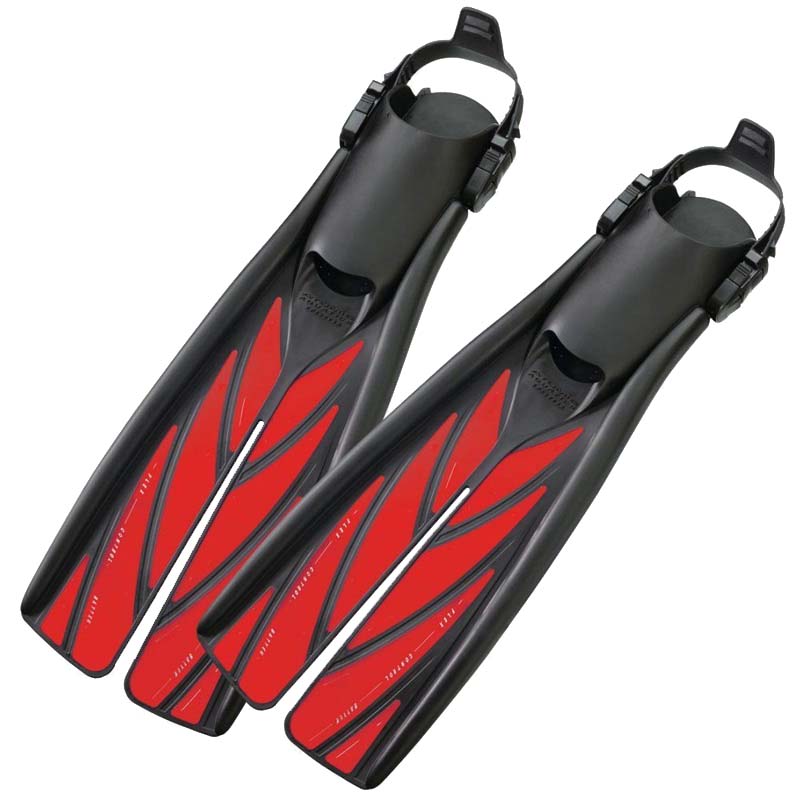
Split fins have a central slit that separates the fin into two separate blades. Because of their shape, the fins can move through the water more naturally and effectively than a fish’s tail could. The following are split fins’ main benefits:
Benefits of Separate Fins
- Decreased Resistance: Because of the split design, divers can kick with less effort because there is less resistance from the water. This may result in less air being used, prolonging dive durations.
- Effective Propulsion: Divers move forward more effectively when their fins are split, as this creates a vortex. This is very helpful for swimming long distances.
- Less Muscle strain: Split fins are great for senior divers or those with knee or hip problems since they require less effort to kick, which reduces muscle strain.
- Simplic maneuverability: Split fins are a fantastic option for negotiating small locations like caverns or wrecks because of their flexibility, which makes maneuvering simpler and more accurate.
Negative aspects of split fins
- Less Power: Split fins can not generate as much thrust as paddle fins, despite their efficiency. This could be problematic when toting bulky equipment or in strong currents.
- First Learning Curve: Divers accustomed to standard paddle fins could find it difficult to get adjusted to the unusual kicking technique needed for split fins.
Is a Paddle Fin What?
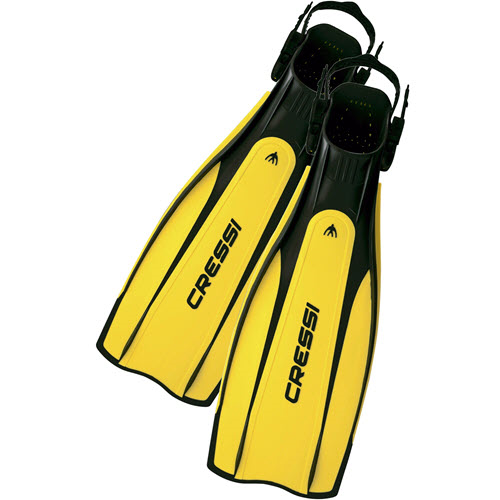
The classic type of fins with a single, solid blade are paddle fins, often referred to as blade fins. Their simplicity and efficacy in a range of diving circumstances are well recognized. Paddle fins provide the following main benefits:
Benefits of Using Paddle Fins
- Strong Thrust: Designed for diving in strong currents or hauling heavy gear, paddle fins deliver strong, forceful kicks.
- Versatility: Paddle fins work effectively in a range of diving situations, from serene seas to strenuous ones.
- Improved Control: Paddle fins’ sturdy construction provides more control and accuracy in motion, which is advantageous for activities like technical diving and photography.
- Durability: Divers that dive frequently may use paddle fins as they are generally more resilient and long-lasting than split fins.
The drawbacks of using paddle fins
- Increased Resistance: Kicking against the solid blade requires more effort due to its increased resistance. Shorter dive times and higher air consumption may result from this.
- Muscle Fatigue: Using paddle fins requires more work than diving without them, which can lead to muscle fatigue, particularly on long dives or for divers who are not in optimal physical shape.
Choosing Wisely

The decision between paddle fins and split fins ultimately comes down to personal taste and diving circumstances. Here are some things to think about:
- Diving Environment: Paddle fins could be a better option if you regularly dive in strong currents or if you have heavy gear. Split fins could be a preferable option for long-distance swimming in calm conditions.
- Physical Condition: Split fins demand less effort, which may be advantageous for divers with knee, hip, or muscular problems. Conversely, people who like strong, precise motions are more suited for paddle fins.
- Experience Level: Because split fins need less effort to utilize, beginners could find them simpler to use. Because of their control and mobility, paddle fins may be preferred by seasoned divers.
There are advantages and disadvantages to both split fins and paddle fins. Split fins are great for long, leisurely dives since they are efficient and less taxing on the body. For technical diving in difficult circumstances, paddle fins offer control and power. Selecting the appropriate fins for a comfortable and pleasurable underwater experience requires divers to be aware of the variations and take into account their own diving preferences. Happy and safe diving!