For many scuba divers, a diving holiday is the most anticipated trip of the year. If the Red Sea is your chosen destination, a little planning can make the difference between a good trip and an unforgettable one.
From choosing the right destination and travel season to understanding local diving conditions, there are several factors to keep in mind before you book. In this guide, we’ll cover five essential things to think about before diving the Red Sea to make the most of your time both above and below the surface.
What Should You Consider Before Your Red Sea Dive Trip?
Planning a dive trip to the Red Sea involves more than just booking your flights and packing your gear. A few key decisions can have a big impact on your overall experience, from choosing between a dive resort and a liveaboard to deciding when to travel, what training to take, and even which wetsuit to bring.
Here are five important things to consider before scuba diving the Red Sea:
- Accommodation.
- Logistics.
- Time of Year to Travel.
- To Learn or Not to Learn.
- What Wetsuit Should You Bring?
1. Accommodation
The availability of the online review websites make it easy to choose where to stay before booking your dive trip. However, with so many choices along the Red Sea, choosing the right one can be overwhelming. The first key decision is whether to choose a dive resort or liveaboard?
Dive Resorts
Dive resorts are the best option in case of traveling with non-divers or seeking to enjoy land-based activities besides ocean-based ones. Actually, you can find several hotels that are suitable for couples, families, and groups, including great aqua parks, all-inclusive deals, and spa options.
Fortunately, almost all seafront hotels host a dive center. This means you can enjoy diving the Red Sea while your companions enjoy their own activities. You might even inspire your friends (non-divers) to give diving a try after seeing your excitement following a house reef dive.
What to Consider When Choosing a Dive Resort:
- Are you traveling with your family? If yes, head to a resort with extra onsite activities for your kids, including a selection of restaurants, a water park, or a spa for the adults.
- Do you prefer a resort with an on-site dive center? An on-site dive center guarantees that you won’t waste your time traveling to and from your dive days. Visit the PADI onsite Dive Centers to check out all dive resorts in Egypt.
- Are you looking for a more local experience? If luxury resorts aren’t a priority and you prefer a more intimate beachfront setting, a tented village such as Marsa Shagra Village may be a great option.
Liveaboards
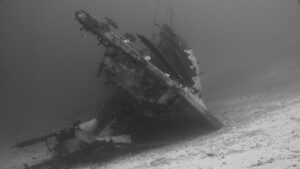
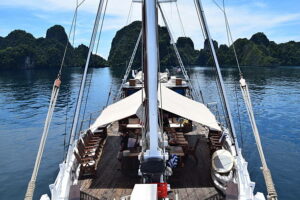
If you are looking for adventure, a liveaboard is a great option. Liveaboards combine accommodation, meals, and scuba diving into one experience (eat, sleep, dive, repeat). This is the perfect option for many. It’s a great way to meet fellow divers and explore remote sites such as Elphinstone, Abu Nuhas, and Daedalus.
2. Logistics
Almost all the resorts for diving the Red Sea are accessible by flights from most of Europe’s airports. Therefore, you can easily get here, especially if you’re flexible with your travel dates and can take advantage of flight deals when appearing.
If you are going to fly directly to Sharm El Sheikh (and won’t stop in other Egyptian airports) and plan to stay within one of the the resorts of Dahab, Taba, and Sharm El Sheikh, most nationalities can stay for up to 15 days without the need for a visa.
Unfortunately, you will need a full Egyptian Visa (which is available at the airport on arrival) when visiting the resorts not situated in the Sinai. Don’t forget to check with your local authorities on all the needed things before traveling.
Hopefully, you’ll never need the Red Sea’s hyperbaric chambers, despite their excellent availability. Nevertheless, having comprehensive travel and dive insurance is extremely important.
3. Time of Year To Travel
This is an easy tip. The Red Sea offers world-class diving throughout the year. Fortunately, the Red Sea is known for almost 365 days of sunshine a year with water temperatures that rarely drop below 21 degrees Celsius (70 degrees Fahrenheit). For that reason, you won’t be disappointed if you pick a date at any time of the year.
But, if you are looking for big schools of fish, then in the summer months (from June to October) you will find your target, and in the National Park of Ras Mohamed you will find all the fish congregating you.
4. To Learn or Not to Learn
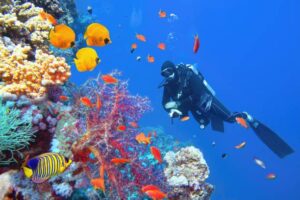
You will find over 200 PADI dive centers on the Red Sea of Egypt, so it is a great choice if you want to learn to dive or continue your education on your dive trip in the Red Sea.
Under the supervision of multinational scuba instructors who dive almost every day, you will be in safe hands. Its warm waters and exceptional visibility make it ideal for beginner divers.
For those who are seeking to the Divemaster level or above, the volume of divers that visit the Red Sea regularly means you will gain lots of real-world experience throughout your training.
5. What Wetsuit Should You Bring?
Getting cold in the Red Sea is a rare event, but sometimes you may feel a little chilly as a result of the sea breeze during the winter months ( from December to April).
During this period, a 5 mm full wetsuit is the recommended choice and for those who really feel the cold, a 7 mm wetsuit will be the ideal option to keep you toasty warm. After ending the dive, it is recommended to wear a fleecy jumper and a hat or a surfing poncho.
For the rest of the year, most divers will be comfortable in a shorty wetsuit or a shorts-and-rash-vest combination, with average water temperatures around 28 degree celsius (82 degrees Fahrenheit).
Ready to Diving Red Sea?
Hopefully, we have provided you with What You Should Consider before your Red Sea dive trip. See you underwater in the Red Sea!