As with almost all the exciting sports, there are common accidents that can happen while scuba diving. There is no doubt that underwater is not a natural place for us to be in, as a result, while we enjoy our time beneath the waves, there are common scuba diving accidents that can occur due to exposure to water pressure and other factors that are related to the water environment we Dive in.
Learning about the common Scuba diving accidents will increase your awareness and help you recognize potential problems easily before they happen. Let’s take a closer look together!
9 Common Scuba Diving Accidents and How to Avoid Them
The most common scuba diving accidents that we will discuss in this article, include:
- Scraps and other physical wounds.
- Drowning.
- Squeezes.
- Barotrauma.
- Arterial gas embolism (AGE).
- Decompression sickness (DCS).
- Nitrogen narcosis.
- oxygen toxicity.
- Marine life encounters.
Scraps and Other Physical Wounds
Scraps, scratches and other physical wounds, like bruises and bumps can usually happen while diving and luckily they are normally quite minor.
- You may have cuts and scratches when you get contact with barnacles, rough rocks or even corals.
- Deeper cuts that may need stitches can be caused by jagged metal on a wreck while wreck diving.
- While diving in rough weather, you can get bruises and bumps when climbing back onto your dive boat.
To avoid these injuries, maintain a constant state of awareness towards the environment in your dive site and make sure you wear all the proper protective gear.
Drowning
When we talk about drowning, we talk about the number one danger that is associated with all water sports. As scuba divers, we have an advantage, as we carry air tanks with us, however the danger of drowning is still a real one.
Actually there are several reasons a scuba diver may drawn for, such as:
- Failed gear.
- An underwater accident that causes unconsciousness.
- currents and other factors related to the environment that can cause panic and subsequent drowning.
One of the best methods to prevent drowning while diving underwater is to maintain and monitor your scuba diving equipment while paying close attention to all the factors that are related to the environment and also maintaining good communication with your dive buddy and dive group.

Squeezes
A squeeze happens when the air pressure inside the air-filled spaces in your body is less than the water pressure surrounding you. With this condition, a diver will feel severe discomfort and pain.
Mask squeeze is considered one of the most common squeeze injuries, this case happens when forgetting letting a little air in the mask while equalizing and that causes the mask to be painfully tight on the face.
Ear squeeze and sinus squeeze are other two forms of squeeze. They also can happen when failing to equalize properly. If you notice any symptoms, you should ascend a few feet. Early and frequent equalizing can help you prevent suffering squeeze when you are under normal diving circumstances.
Barotrauma
Barotrauma is one of the common scuba diving accidents or injuries that can occur due to the difference in pressure between the air-filled cavities of your body and that of the water surrounding you.
If you fail to equalize properly and the air trapped in the middle ear can’t escape, that will lead to having a ruptured eardrum as a form of barotrauma. The ears aren’t the only affected organ, as barotrauma can also affect lungs, skin , brain, paranasal sinuses, teeth and other body parts
Early and frequent equalizing can expel gradually breathing while ascending and also another advice to prevent barotrauma is to ensure you take adequate safety stops.
Arterial Gas Embolism (AGE)
We can consider Arterial Gas Embolism as a form of barotrauma that can be lethal. Unfortunately, the arterial gas embolism is one of the scuba diving accidents that causes death among divers.
AGE usually occurs when respiratory gas expands while ascending, particularly when you hold your breath on ascents when those respiratory gases expand, the alveoli which are tiny lung structures expand and rupture leading to leaking gas into your bloodstream.
The bubbles in the bloodstream make their way throughout your body, causing damage to the brain, the heart and other vital structures.
The symptoms of AGE include, bloody froth coming from the mouth or the nose of the diver, chest pain, paralysis, blurry vision, convulsion, disorientation of the skin and weakness. To prevent arterial gas embolism, the best way is to make sure never to hold your breath while diving, especially on your ascents.
Decompression Sickness (DCS)
Decompression sickness is regarded as a serious scuba related injury. You can get decompression sickness when you fail to follow prescribed dive profiles or you make a rabbit accent.
While driving nitrogen bubbles form inside a diverse body including the bloodstream if the bubbles remains in the body the causes pain and tissue damage
The best way to avoid decompression sickness is to make proper ascents, take sufficient safety stops and appropriate surface intervals.
Nitrogen Narcosis
While several dive-related injuries occur while ascending, the opposite is also true of nitrogen narcosis. As nitrogen builds up in your bloodstream while descending, it can lead to toxicity and symptoms like drunkenness, panic and euphoria will appear.
Fortunately, the very mild cases of nitrogen narcosis aren’t serious, but more severe cases can lead to the death of the diver in the end. The best way to avoid nitrogen narcosis If you notice any of its symptoms is to, ascend a small amount as this will help to alleviate the problem.
Oxygen Toxicity
This case is also known as hyperoxia. You can suffer from oxygen toxicity when you breathe excessive molecular oxygen at elevated partial pressure.
This is one of the types of central nervous system poisoning that may lead to death, as it causes massive damage at a cellular level. Fortunately, oxygen toxicity doesn’t affect scuba divers who are breathing typical breathing gases.
Marine Life Encounters
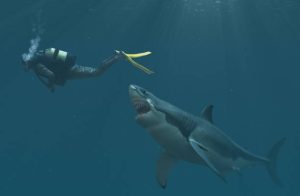
The last accident in the common scuba diving accidents’ list that we discuss is marine life encounters. The marine creatures in the dive destinations we dive in can be dangerous in various ways. Some bite, some Sting and some can even kill us.
The best way to prevent common scuba diving accidents related to marine life encounters is to be aware of the different kinds of creatures you will meet while diving and also to know about any dangers associated with these creatures.
Don’t forget to give these marine life enough space, respect their environment and never ever touch anything while being underwater.
At last, ensure you dive within the limits of your training and experience and also make sure you feel comfortable and competent with your scuba diving equipment that you take with you.
Get the proper training and ensure you have good communication with your dive buddy. Diving may be considered as a dangerous sport, but you can make it safer and also more enjoyable when you take just a few precautions.