Scuba diving treats one with great underwater adventures, but one should also be ready for unwanted challenges. Probably the most important skill any diver could have relates to knowing how to handle equipment failure while underwater. From regulator issues to mask leaks, equipment malfunctions can occur, but with proper knowledge and good demeanor in such situations, these can be dealt with safely. This article will outline the most common forms of equipment failures that can occur underwater and how to manage such situations correctly.
1. Regulator Failure
The regulator is your lifeline when under the water; it provides air from your tank. Though rare, regulator malfunctions do occur, and it is important to learn just how to act accordingly.
A. Out-of-Air Situations
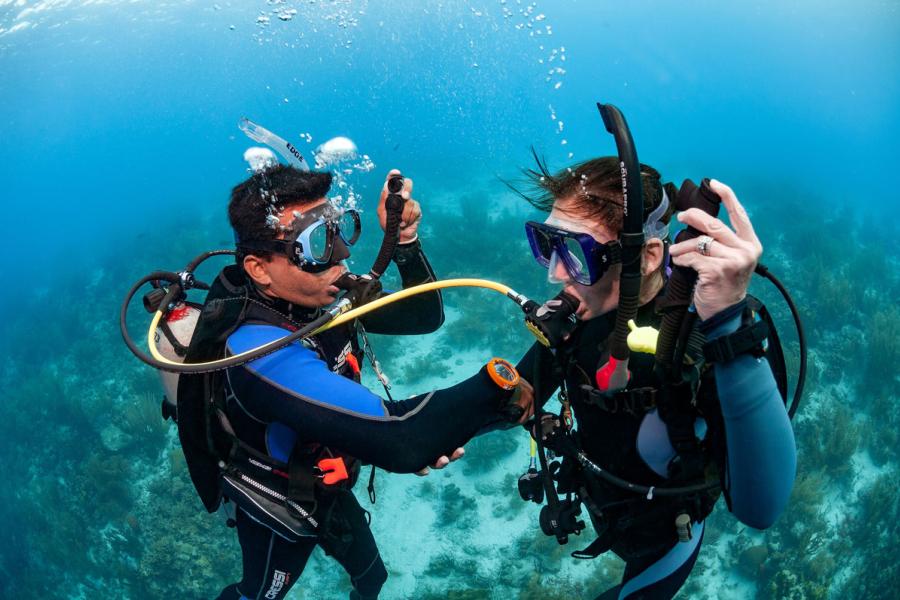
An out-of-air emergency is the most serious type of emergency a diver may experience. If you run out of air, you need to act right away.
How to handle it:
1. Signal your buddy: Give your diving buddy an out-of-air signal – a throat-slashing motion with your hand.
2. Use your buddy’s alternate air source: Most divers have an octopus, or secondary regulator. Reach for it and start breathing from it.
3. Make a slow ascent together: With an alternate air source, make a slow ascent in control. Stay as close to your buddy as possible and make contact if necessary.
4. Do a CESA if alone: When you cannot share with a buddy, do a Controlled Emergency Swimming Ascent-CESA by exhaling continuously while swimming to the surface.
Prevention tips: mostly, check your air gauge at frequent intervals throughout the dive. Have professional service to your regulator on a regular basis to prevent it from malfunctioning.
B. Free-flowing Regulator
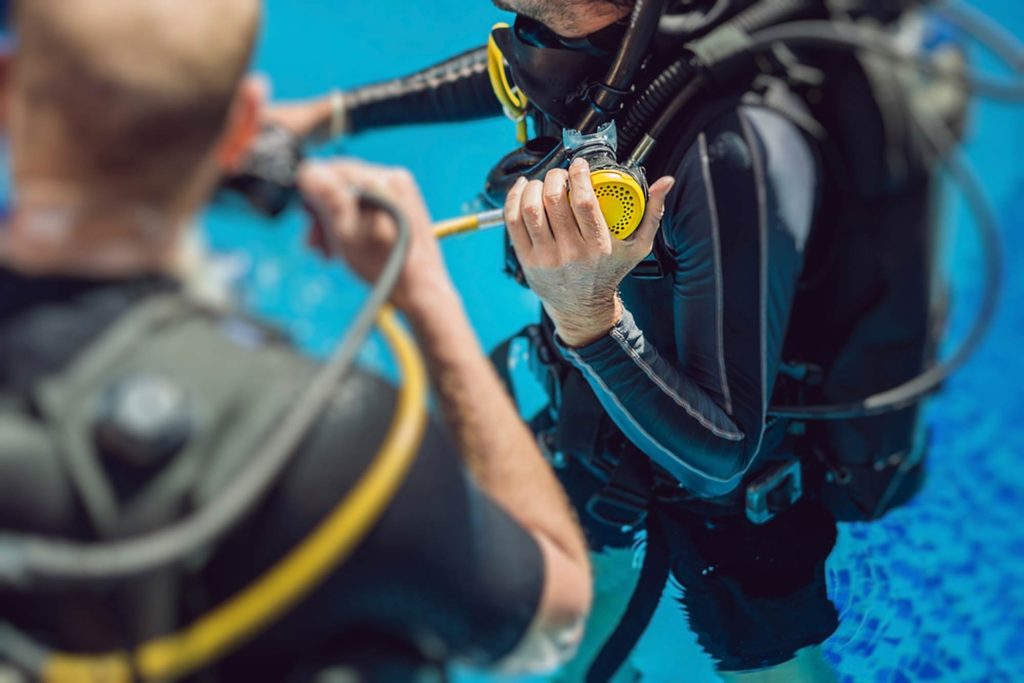
A free-flowing regulator is when there is constant air flowing through the regulator, resulting in a stream of bubbles. Although you might be baffled initially, this problem is very well manageable.
How to handle it:
1. Don’t drop the regulator: Leave the regulator in your mouth even if it’s free-flowing. It will still provide air, although quite inefficiently.
2. Sip shallow sips of air: Take shallow sips of air from the free-flowing regulator and exhale normally.
3. Begin slow ascent: Signal to your buddy and start a slow ascent to the surface using hand signals that describe what the problem is.
4. Use your buddy’s alternate air source if necessary: If it becomes hard to breathe, switch to your buddy’s octopus.
Prevention tips: Always check the condition of your regulator before every dive. Train yourself in a free-flowing regulator in pool environments so that you will be prepared for what it’s like, should one occur during a dive.
2. Mask Problems
Properly fitted masks are very important in comfort during dives, but mistakes with masks – like flooding, fogging, or breaking straps – can turn that dive into a nightmare if dealt with inadequately.
A. Mask Flooding
A little water in your mask is not so bad and usually happens, but sometimes the mask actually floods. This may make you feel uncomfortable and could result in disorientation but it is simple to manage.
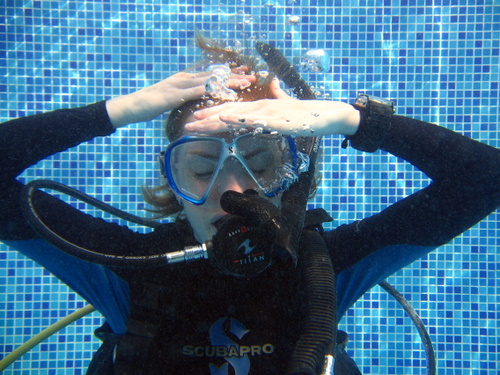
How to handle it:
1. Tilt your head back: Look upwards and press the roof of your mask against your forehead.
2. Exhale through the nose: Let out a forceful puff of air through your nose while simultaneously lifting the bottom of your mask slightly. This forces the water out.
3. Readjust the mask if necessary: If it continues to flood, the mask may need a quick adjustment to make sure it’s fitted properly.
Prevention tips: Before each dive, check that your mask fits properly. Practice mask-clearing drills regularly so that you establish your proficiency and become confident.
B. Fogging
Fogging masks obscure your line of sight, making navigation and interaction difficult.
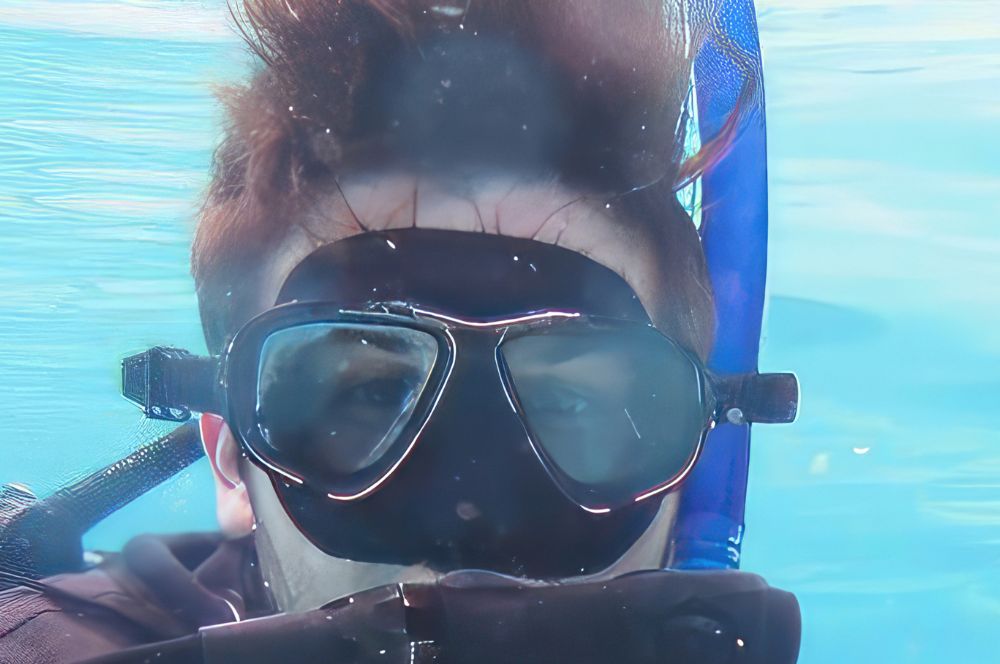
How to deal with it:
1. Remove the mask for a while: Once you are underwater, remove the mask to wipe the lens with water. This should clear the fog away.
2. Defogging solution: Use a defogging solution or even spit inside the mask before diving, then lightly rinse it with water.
Prevention tips: Clean a new mask with toothpaste that does not contain abrasive material before use to prevent fogging during future dives. Apply a defogging solution or use baby shampoo before dives.
C. Broken Mask Strap
An awfully torn mask strap might just render you blind in the water. Fortunately, divers are also taught to handle this problem sans entering a panic.
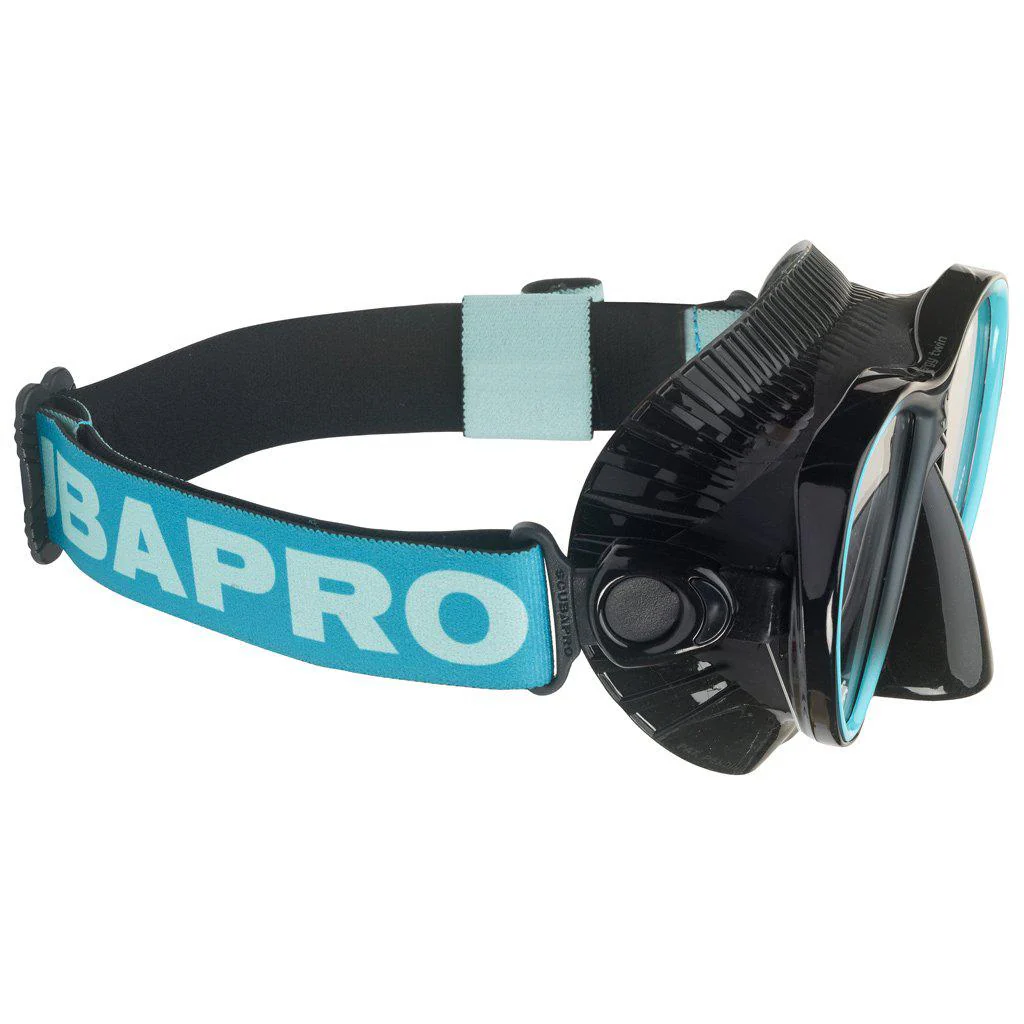
How to handle it:
1. Hold the mask to your face: With one hand, keep the mask pressed against your face to prevent it from falling off.
2. Signal to your buddy and ascend: If you are unable to make the repair, signal to your buddy and make a slow ascent. You can make an ascent while holding the mask in place.
Prevention tips: Always carry a spare mask strap or elastic band in your kit bag. Before the dive, check the condition of the strap.
3. Buoyancy Control Device (BCD) Failures
Your BCD is an important piece of equipment to help you achieve neutral buoyancy and control your ascent and descent. Any malfunction in inflation or deflation can create a very hazardous situation, particularly at depth.
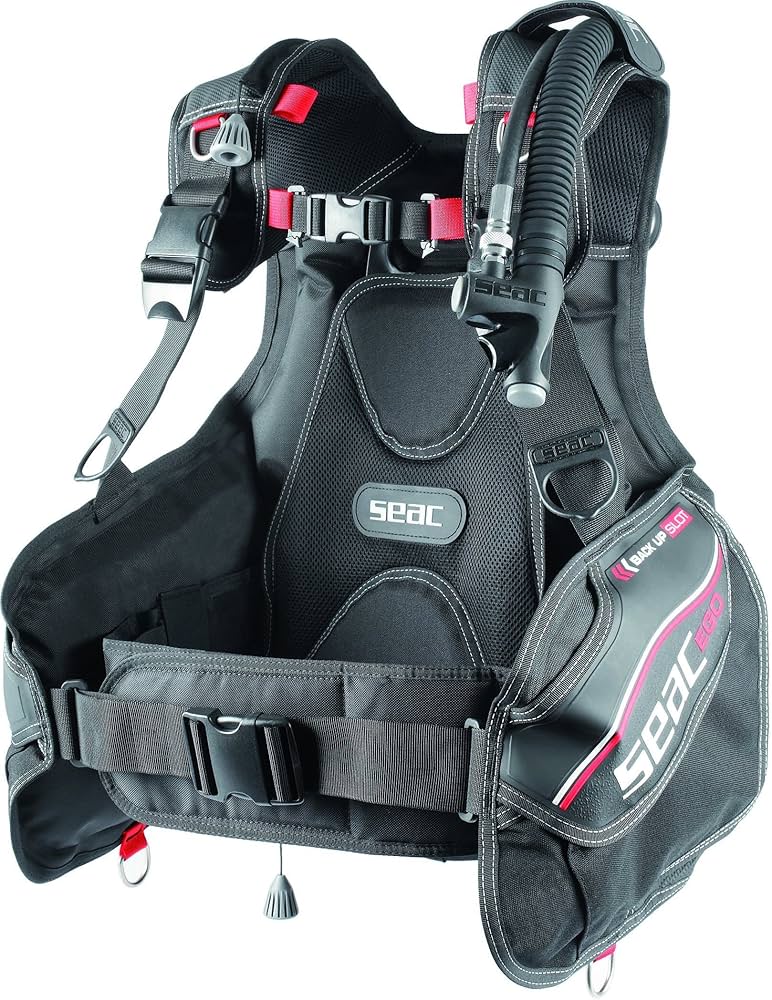
A. Inflator Button Stuck
A stuck inflator button over-inflates the BCD to an uncontrollable extent, with it going up towards the surface.
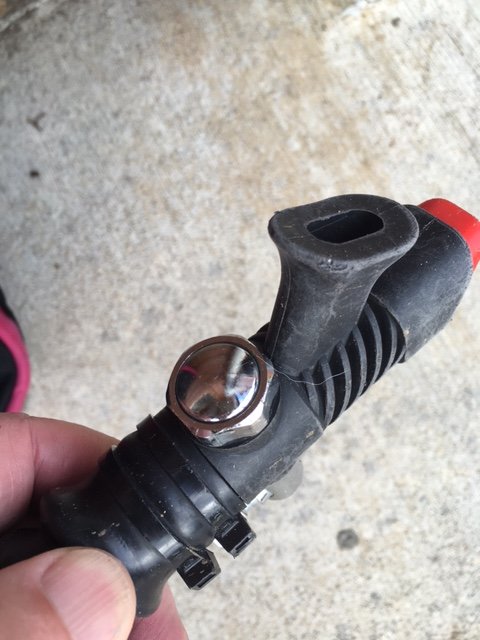
How to handle it:
1. Dump air from the BCD manually: Using a quick-release valve on your BCD, dump air while maintaining your position in the water.
2. Disconnect the low-pressure inflator hose: If your inflator button has jammed, disconnect the inflator hose to avoid constant inflation.
3. Use oral inflation if necessary: Once you have dumped air from the BCD, if you need to reinflate it, use the oral inflator to make any manual adjustments in buoyancy.
How to avoid it: Check your inflator mechanism regularly and practice the oral inflation technique.
B. Deflation Problems
If your BCD won’t deflate, that can present problems in descending or even leave you unable to make adjustments to buoyancy at depth.
Solution/Repair:
1. Manual release of air: Using all deflation points of your BCD. Most have multiple exhaust valves at the shoulder, hip, or back.
2. Drop your weight belt: If for whatever reason you are unable to dump air, drop your weight belt in order to regain control of your buoyancy and make the ascent.
Prevention tips: Before each dive, always check your BCD valves and inflator. Have your BCD serviced to prevent blockages in deflation valves.
4. Fin Strap Breaks
A broken fin strap can make swimming underwater very laborious either in strong currents or during an ascent.
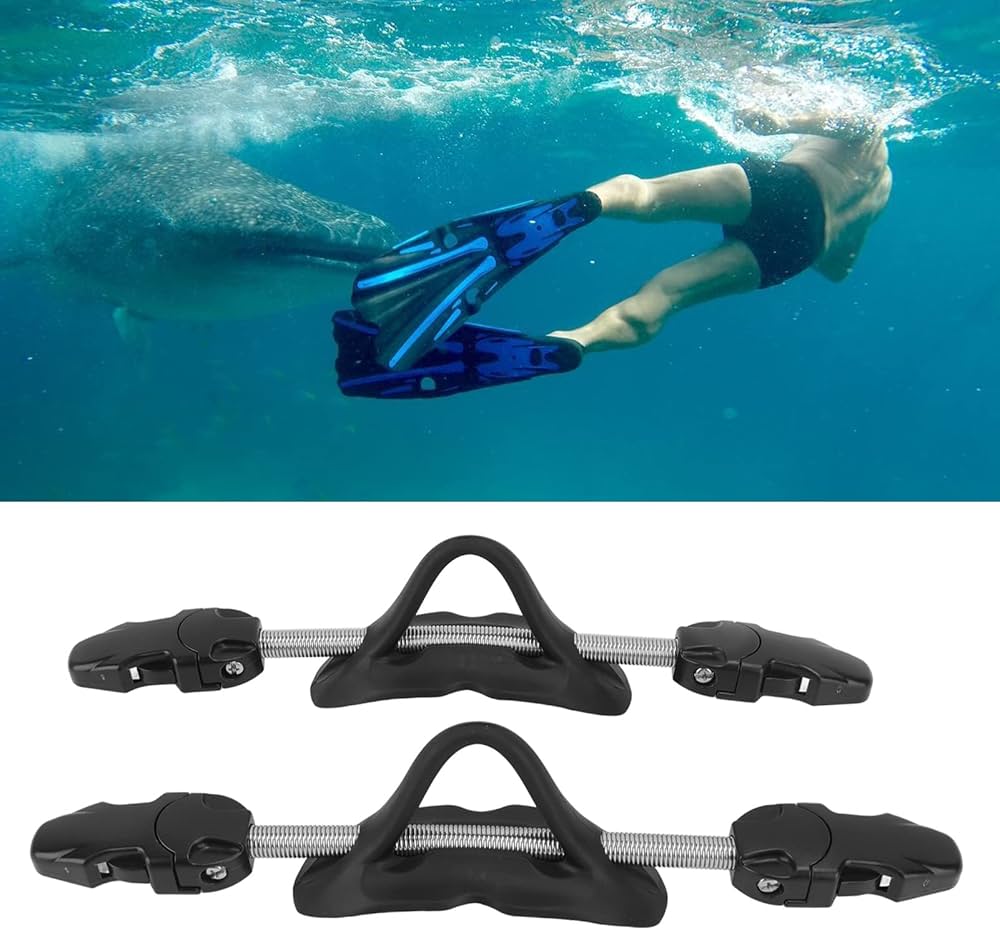
How to treat it:
1. One-fin swimming: If only one strap breaks, switch to your working fin and use larger, slower kicks to force the water.
2. Hold onto the broken fin: If it’s possible, hold the broken fin in one hand to keep it with you.
3. Signal to your buddy: Signal to your dive buddy and make a gradual ascent if necessary.
Prevention tips: Always have in your kit a backup fin strap or bungee strap. Periodically, check your fin straps for damage.
5. Dive Computer Failure
A dive computer is arguably the single most important piece of equipment to monitor depth, time, and no-decompression limits. The inability to retrieve information during a dive in case of computer failure could render you blind.
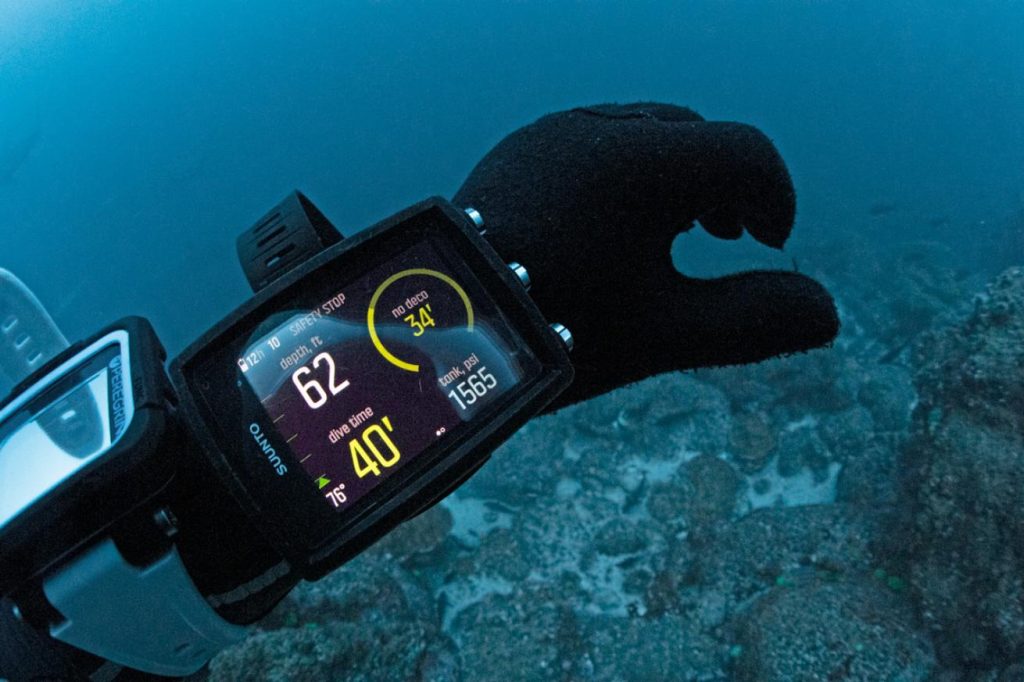
How to handle it:
1. Abort the dive: The most prudent thing to do if your computer fails is to abort the dive. Signal to your buddy that you’re aborting the dive and make a slow ascent while observing all safety practices.
2. Make a safety stop: Although you have not entered into any over-exceeding of your no-decompression limit, making a safety stop at 15-20 feet (5-6 meters) for 3-5 minutes is always a good idea.
Preventive tips: Always dive with a backup; this would include such items as a duplicate dive computer, dive tables, or depth gauge and timer. Have the battery of your dive computer fully charged prior to every dive.
The thought of an underwater equipment failure can be intimidating. However, proper training and preparation will prepare a diver to deal with most issues safely. The main thing is not to panic but to act on your training and communicate with your dive buddy. Keeping your equipment regularly serviced and running through those emergency drills will result in confidence that you’ll know how to deal with most equipment problems, so dives are safe and enjoyable.