Scuba diving offers an unparalleled underwater exploration experience, yet it can evoke anxiety and fear in some individuals.
Fears like the unknown, equipment failure, or claustrophobia can deter many from enjoying scuba diving. However, with the right mindset,understanding, and training, you can manage scuba diving anxiety. Here’s how.
Debunking Common Scuba Diving Fears
It’s natural to feel uneasy when starting a new activity, but many scuba diving fears are misconceptions. Let’s explore common fears and the facts that debunk them:
Fear of Equipment Failure
The Fear: Many novice divers fear that equipment failure underwater can result in a life-threatening scenario.
The Reality: Scuba diving equipment is highly dependable, in addition to that, dive centers uphold strict maintenance and inspection standards. DAN (Divers Alert Network) reports that equipment failures are very rare and typically minor. Divers also receive training in emergency procedures like air sharing and controlled ascents, with built-in redundancies such as backup regulators and dive buddy protocols.
Fear of Drowning or Running Out of Air
The Fear: Some people fear experiencing a running out of air situation while underwater.
The Reality: Proper training ensures you can monitor your air supply accurately, and you’ll always know how much air remains. Most incidents involving low air are due to inexperience or disregarding training. By adhering to guidelines and regularly checking your gauge, you’ll have enough air to ascend safely..
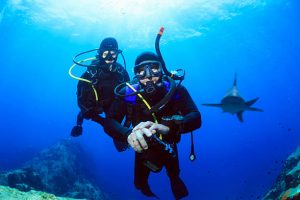
Fear of Sharks (Marine Life)
The Fear: Some potential divers avoid the water due to fears of shark attacks or encountering dangerous marine life.
The Reality: Contrary to their movie depictions, shark attacks are extremely rare. Sharks tend to be more scared of humans than the other way around. The International Shark Attack File reported that the odds of a shark attack are 1 in 11.5 million. Interestingly, you’re more likely to be injured by a falling coconut! Most marine animals are peaceful and avoid humans.
Fear of Claustrophobia or Confinement
The Fear: Being underwater and far from the surface can make some individuals feel confined.
The Reality: Though scuba diving involves submersion, the experience often feels liberating rather than restrictive. The underwater world is vast, with clear visibility in many dive sites, creating a sense of openness. Training and repetitive diving in shallow waters can help you gradually acclimate to this environment..
Reasons to Try Scuba Diving
Now that we’ve addressed common fears, let’s explore the incredible physical and mental benefits of scuba diving.
Mental Health Benefits
Scuba diving is celebrated for its soothing impact on the mind. Underwater, you concentrate on your breathing and environment, which can help you manage scuba diving anxiety and enhance mindfulness. Diving has a stress-relieving and calming effect similar to meditation.
Physical Health Benefits
Diving involves swimming and managing buoyancy, which engages the entire body. It’s an excellent low-impact exercise that builds muscle strength, boosts cardiovascular fitness, and enhances flexibility while being gentle on the joints.
Connect with Nature
Scuba diving offers a rare glimpse into the underwater world, allowing you to explore vibrant coral reefs and swim alongside magnificent sea creatures, fostering a deep connection with nature.
Social Benefits
Diving is frequently a social endeavor. Whether joining a dive group, diving with a buddy, or attending a course, you’ll connect with others who share your love for the ocean, leading to lifelong friendships and travel companions for future diving adventures..
Build Confidence and Overcome Your Fears
Diving demands focus, patience, and overcoming fears. Successfully completing dives and mastering scuba skills fosters a profound sense of accomplishment. This eventually enhances self-confidence both underwater and on land.
Learn Something New
Scuba diving constantly provides opportunities to learn, from refining buoyancy control to discovering marine life and ecosystems. This makes your knowledge and skills expand with every dive.
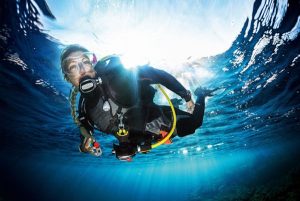
7 Tips to Manage Scuba Diving Anxiety
If you’re suffering from scuba diving anxiety, there are various strategies to help alleviate your fears and boost your confidence.
Remind Yourself of the Stats
Understanding that scuba diving is statistically a very safe activity can help keep you calm. Equipment failures and accidents are rare, and divers are well-trained to manage any potential issues..
Start in Calm, Warm Waters
For your initial dives, pick sites with calm, warm, and clear waters, such as the Mediterranean or parts of Southeast Asia. These areas provide beginner-friendly conditions which is free from strong currents, cold water, or large marine animals, such as sharks..
Dive with a Friend
Having a friend or family member with you on your first dives can be comforting and make the experience more enjoyable. Their presence can help ease scuba diving anxiety.
Choose a Trusted Instructor or Dive Center
A skilled instructor can greatly enhance your sense of safety and confidence while diving. Seek out highly-rated instructors or dive centers, and don’t hesitate to inquire about both their safety protocols and experience.
Start Slowly
You don’t need to start in deep waters. Take it step by step. Most beginner scuba courses begin in shallow pools or calm, shallow waters to help beginners get comfortable with both the gear and underwater environment before moving to deeper waters.
Watch Videos or Read About the Experiences of Others
Learning about other divers who conquered their fears or watching dive videos can be very comforting. Observing how others manage their initial dives and hearing their positive experiences can help change your perspective, reinforcing that scuba diving is a safe, enjoyable, and rewarding activity.
Practice Relaxation Techniques
Relaxation techniques like meditation, visualization, and deep breathing can significantly reduce scuba diving anxiety, and help you remain calm both before and while diving.