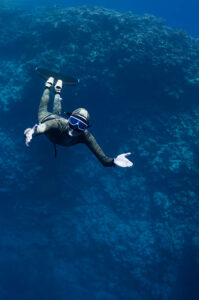
Freediving demands the right gear for an optimal experience. One of the most crucial pieces of equipment is your fins. Whether you’re a seasoned freediver or just a beginner, selecting the right fins can significantly enhance your performance and comfort underwater. Here are some top tips to help you in choosing freediving fins that have the proper fit.
Tips for Choosing Freediving Fins
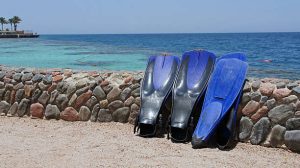
There are several factors to take into consideration when choosing freediving fins to ensure a proper fit, including:
Length
Freediving blades usually range from 31 to 38 inches (79-97cm), offering a larger surface area that moves more water and adds power to each stroke.
Flexibility
Stiff fins offer more power but require strong technique and leg muscles. Beginners should start with softer fins, then they can switch to stiffer ones as they gain strength and skills.
Material
There are three main types:
- Plastic Fins: Cost-effective and durable, but loses its shape over time. Least powerful with less snap but considered ideal for beginners.
- Fibreglass Fins: Strikes a balance between efficiency and durability, with a moderate price.
- Carbon fibre Fins: Extremely lightweight with the best snap, preferred by professionals and deep divers. Although it’s expensive and very fragile, it requires careful handling.
Foot pockets
Choose full foot pockets for a snug fit without gaps, maximizing energy transfer with each kick. Avoid open-heel styles used in scuba diving. Softer rubber is better in case of barefoot freediving.
Always verify sizes, as some charts account for socks. Pockets that are too small can cause rubbing and cramps, while oversized pockets lead to power loss or losing your fins altogether.
Socks
Freediving socks help prevent rubbing, scrapes, stings, and keep you warmer. Choose the thickness based on water temperature, but remember that this may affect the proper foot pocket size.
Integrated vs Separate Fins
Integrated foot pockets and blades are fixed together permanently, like standard scuba fins. In freediving, you can use separate, detachable foot pockets and blades that can be screwed or glued together, offering various benefits:
- They’re more convenient for travel.
- You can replace or upgrade any individual part. This makes it more cost-effective than purchasing a whole new set.
- You can easily modify your setup for various climates or freediving styles.
- You can share or test blades with friends to reduce expenses.
A drawback is that the additional fixings can lead to increased inconvenience, weight, bulkiness, and potentially lower power.
One-blade vs Two-blade Fins
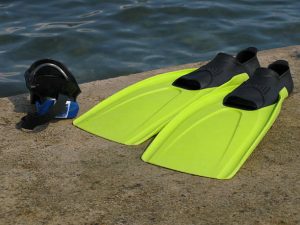
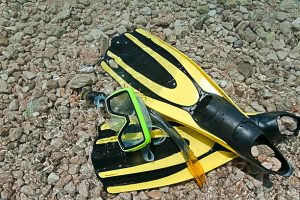
A monofin, with a single blade and two foot pockets, mimics the movement of dolphins and whales. It provides high efficiency and speed for freediving disciplines like Constant Weight and Dynamic With Fins. That makes it a popular choice among professional and competitive freedivers. However, due to the need for the dolphin-kick technique and precise fitting, it requires more experience and practice to be used effectively.
Bi-fins, similar to scuba fins, come in various affordable options. They allow for different fin kicks and keep your hands free, making them more agile than monofins, particularly in confined spaces. Therefore, they are an ideal choice for both beginners and recreational freedivers.
Are Longer Fins Better for Freediving?
Diving fins are generally stiffer and thicker for added durability and power. However, while longer and more rigid fins offer greater propulsion, they require more muscle effort to move.