Your Cart Is Empty
✖No products in the cart.



Scuba diving without a wetsuit is the purest kind of freedom—no neoprene, no zippers, just you and the water. Around the world, there are incredible destinations where the ocean stays warm enough year-round for effortless, skin-only dives. From crystal-clear shallows to vibrant reefs teeming with life, these spots let you slip beneath the surface with … Read more
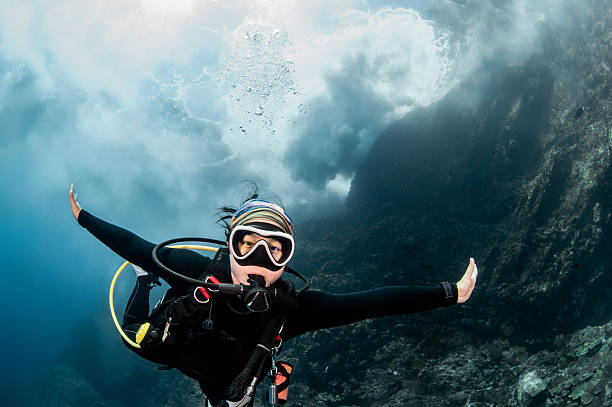
If you love the feeling of flying underwater, drift diving delivers it better than anything else. With the current carrying you across reefs, channels, and open-blue highways, every dive becomes an effortless adventure filled with surprises. In this guide, we’re diving into the top drift diving spots that offer unforgettable scenery, rich marine life, and the kind … Read more
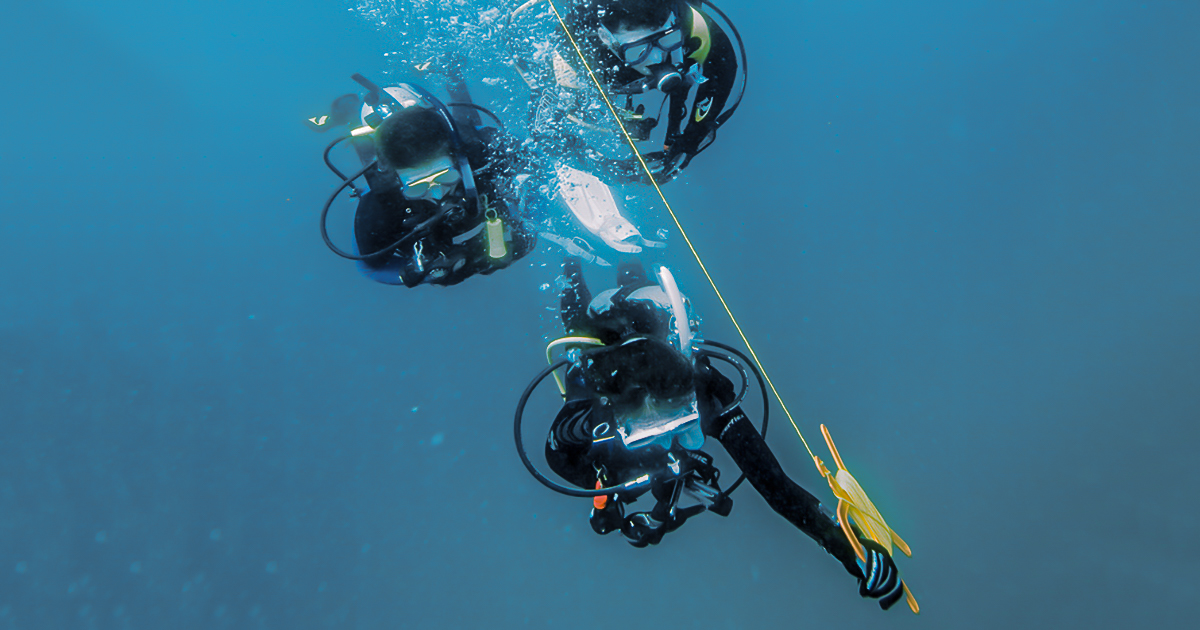
Drift diving is regarded as one of the most effortless and exciting ways to explore the underwater world. Instead of fighting the current, you ride it, letting the ocean carry you across reefs, drop-offs, and open-blue pathways with almost no effort at all. It’s a style of diving that combines relaxation with pure adventure, giving you the feeling of … Read more
Life has its waves—some lift us up, others pull us down. When you become burned out from the daily grind, sometimes all you need is the right pick‑me‑up. For many, that antidote lies beneath the surface: scuba diving. More than just an adventure sport, the diving effect goes beyond escaping from stress, as it is … Read more

Vaping has become a big trend, especially among young people. But when it comes to scuba diving, safety is everything. What many divers don’t realize is that vaping can affect the body in ways that may change how safe it is to dive. This article looks at vaping and scuba diving safety, and what every … Read more
Water covers over 70% of the surface of our planet, so why do we call it Earth, not Ocean? The sea has always been a source of mystery, but only recently have we gained the tools to explore its deepest reaches. This article dives into one of nature’s most fascinating riddles: how deep is the … Read more
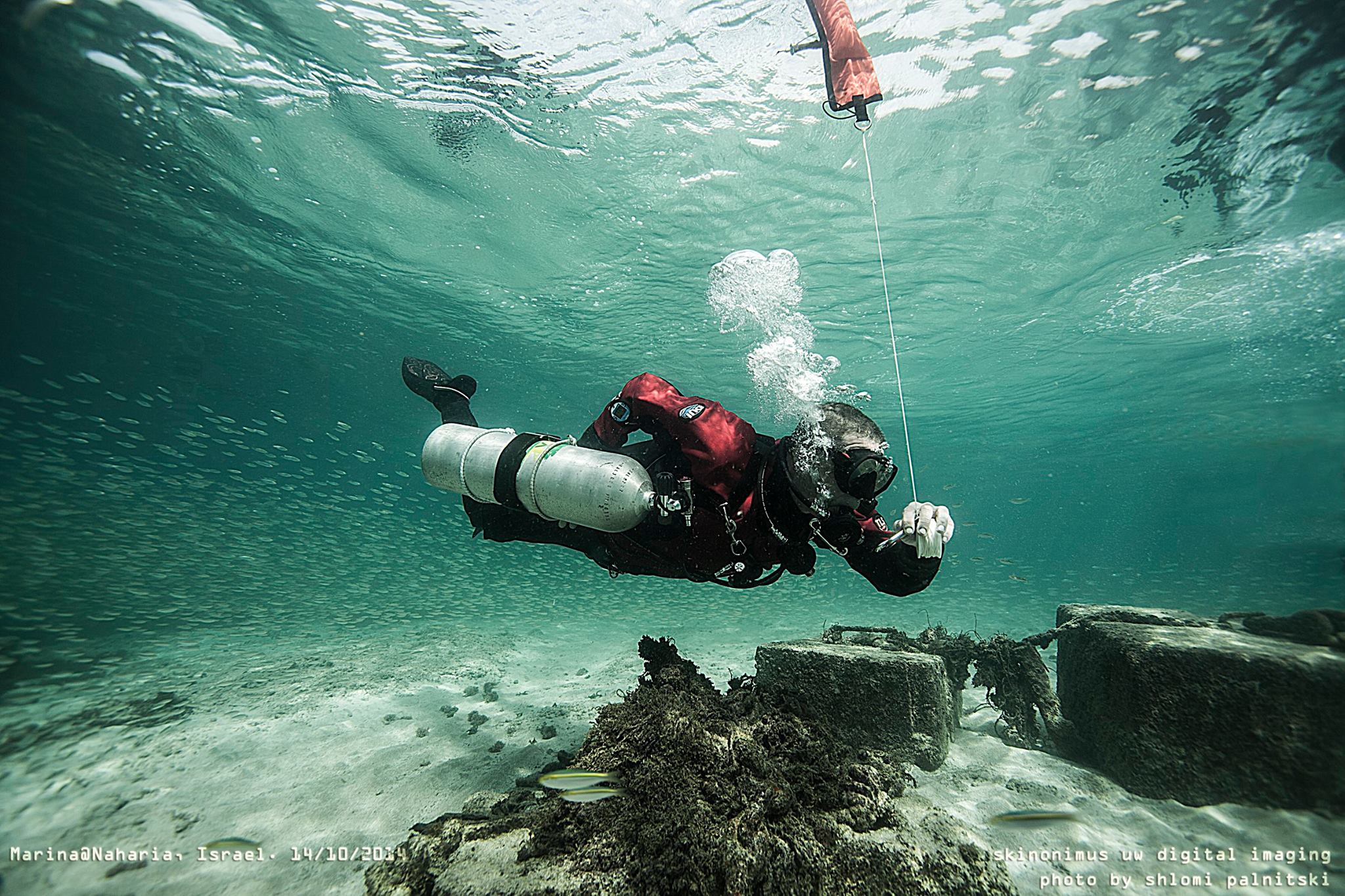
Drift diving is one of the most fun ways to explore the ocean. Instead of kicking the whole time, you relax and let the current move you along. It can feel like flying underwater as you pass over reefs, fish, and wide open blue. But drift diving also needs good awareness and the right skills. … Read more

Nothing ruins a dive adventure like getting sick. A gut problem, a respiratory issue or any unexpected illness, can turn a dream dive trip into a major letdown. But with a little planning and some smart precautions, you can stack the odds in favor of staying healthy and getting every minute you paid (and dreamed!) for. Here’s how to … Read more
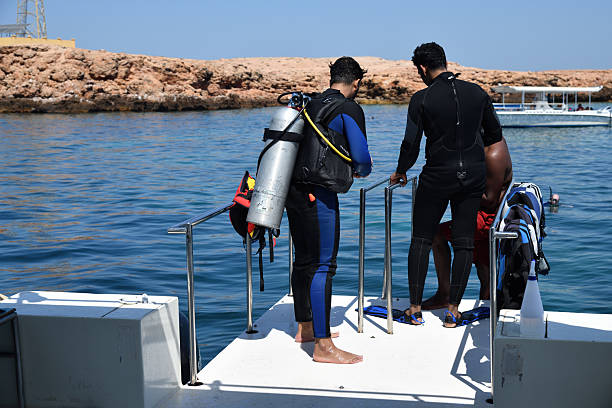
How to enter and exit the water safely is super important for every diver. Whether you’re diving from a big boat or a small one, knowing the right way to move helps you stay safe and keep your gear in place. Let’s learn how to do that in the right way. Before You Splash Every … Read more

A liveaboard can feel like the ultimate diver’s dream: waking up to the ocean, diving multiple times a day, discovering remote sites most people never see, and sharing the journey with people who love the water as much as you do. But spending several days at sea means you’re entirely dependent on the boat you choose. … Read more
No products in the cart.