Drift diving is regarded as one of the most effortless and exciting ways to explore the underwater world. Instead of fighting the current, you ride it, letting the ocean carry you across reefs, drop-offs, and open-blue pathways with almost no effort at all. It’s a style of diving that combines relaxation with pure adventure, giving you the feeling of flying as the scenery moves past you.
Whether you’re curious about what drift diving actually is, wondering why so many divers love it, or trying to figure out what gear you need to get started, this blog post will guide you through everything you should know before taking the plunge.
Ready to dive in?
1. What is Drift Diving?
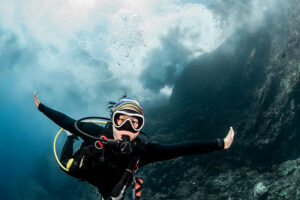
In simple words, drift diving is about letting the ocean carry you. It’s about gliding without effort with the current, exploring new hidden underwater worlds without the need to kick your fins. In short, it’s a type of scuba diving in which the current guide you. You don’t have to kick or struggle—all you need is just to float. Sounds like a dream, right?
But, like most things, drift diving comes with a small catch. You can’t consider like any other typical dives. In drift diving, your end point won’t be where you started. Instead, you’ll end your dive in a completely new place. So, how do you get back to the dive boat after finishing your dive? That’s where the drift boat comes in.
You enter the water in one place, and the boat follows the current to pick you up wherever it carries you. It resembles a giant water slide, but with many fish surrounding you.
However, drift diving isn’t a type of scuba anywhere diving that you can practice anywhere. You need a dive site having strong currents to get the perfect balance of thrill and relaxation.
And the best part is that drift diving is incredibly efficient. There is no need to work hard to keep moving. In fact, sometimes you won’t have to kick with your fins. However, their importance lies in adjusting your buoyancy and avoid crashing into the reef. It also helps you save energy and air, letting you enjoy the dive without worrying about the little things.
Now, when spotting a turtle in your way, don’t expect to go back to see that it because you won’t be able to fight the current.
To sum it up: drift diving require no effort, exciting, and can only be done in the right spots. Ready to let the current take you away? Let’s dive deeper into the details.
2. Why Choose Drift Diving?
Imagine that you are floating in the ocean without effort, no kicking, no fighting the surge. It’s just you gliding in the water in a serene and silent dance beneath the waves. This is drift diving. And trust me, if you are looking for that perfect mix of adrenaline and pure relaxation, drift diving is the ideal choice.
Forget all you know about traditional scuba diving. In a drift dive, the ocean is your playground. The current moves you along, taking you through underwater scenes most people never get to see. It’s a fantastic way to explore marine environments, letting the water’s natural drift guide you.
Whether you’re a seasoned drift diver or just a beginner, there’s a spot for each level to enjoy this incredible activity. It’s about using the moving water to your benefit, letting you reach spots that traditional diving can’t. Plus, every drift dive can be regarded as a unique experience—no two dives have the same entertainment.
Now, let’s talk about the magic feelings of water drift when meeting marine life. The currents seem as highways for sea animals, as they delivers nutrients from the deep depths and attract a stunning variety of marine biodiversity.
When drift diving, you’re right in the middle of this natural show. You’ll glide through rich ecosystems filling of life: rays, turtles, colorful fish, and even sharks. A drift dive can be regarded as an underwater safari, in which your next move is decided by the ocean.
So, why to choose drift diving? Because it’s not an ordinary dive—it’s an adventure, a thrill and a way to experience the ocean that traditional dives can’t offer. Ready to let the current take you on an unforgettable extraordinary journey?
3. What Do You Need for Drift Diving?
Drift diving is an extraordinary experience in which the currents of the ocean guide your underwater journey, enabling you to cover large areas without effort while soaking in breathtaking scenery.
Regardless of the spot you are exploring, knowing what to expect and having the right skills is essential to have a safe enjoyable drift dive.
1. Drift Diver Course
The Drift Diver course is considered your gateway to mastering this unique style of scuba diving. This course was designed for scuba divers who are looking for exploring the wonders of drift dives, this course will provide you with the necessary knowledge and techniques to navigate in the ocean’s currents safely with confident.
You’ll learn about the causes and effects of tides, surges, and waves, in addition to essential skills, including:
- Buoyancy control to glide without efforts along with the current.
- Good dive buddy organization and effective underwater communication.
- The procedures of safety stop tailored for drifting water.
- How to enter and exit from current dives.
- The proper way to recognize and manage potential hazards while drift diving.
The course also will introduce you to specialized scuba equipment like floats, compasses, surface markers, lines, and reels, in addition to all the crucial gear for a safe drift dive experience.
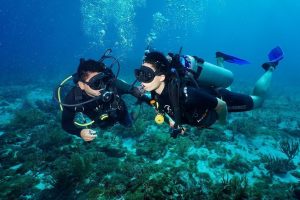
2. Essential Gear for Safe Drift Diving
Having the right scuba equipment guarantee having a safe and enjoyable drift diving adventure. Here’s the needed gear:
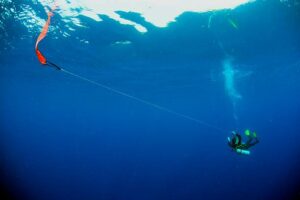
- Surface marker buoy (SMB): This piece of equipment is important to be able to signal your position to the boat crew to guarantee a safe pick-up.
- Reef hooks: When stationary observation is needed, like when watching pelagic action, with the reef hooks, you have the ability to stay in place without causing any harm to the reef.
3. How Drift Diving Works
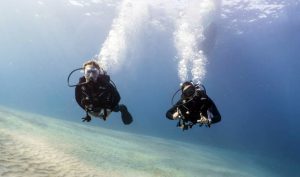
When coming to conducting drift dives, there are two common methods:
Descending with a Buoy Line:
- The dive group descends along a line that is attached to a surface marker buoy and holds on until they are ready to drift.
- At the end of the dive, the guide releases an SMB so the boat can spot the exact pickup location.
Following the Guide:
- The guide enters water first, and the group members follow him to begin the descent and drift.
- The boat tracks the surface bubbles of the group, ensuring to remain in sight.
- If anyone of the buddy team ascends early, the SMB signals their position for safe retrieval.
Drift diving isn’t just another dive style—it’s a fresh way to see the ocean. With the current carrying you, the right gear, and a basic understanding of how it all works, you can enjoy a safe, relaxed, and unforgettable experience.
If you are new in the world of scuba diving, start with the Basic Scuba Diver Course and join us in this magical world beneath the waves.