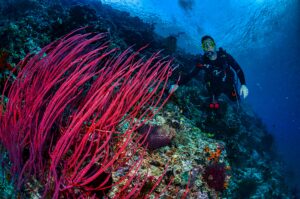
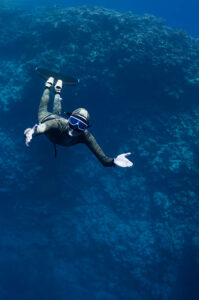
Coral reefs, which are usually known as the “rainforests of the sea,” aren’t just stunning spectacles of marine life—they’re considered a shelter for nearly 25% of all ocean species.
But these vibrant ecosystems are destroying at an alarming rate. With 33% of corals now facing extinction and some populations already dead by 80%, the threats are not only real—they’re accelerating.
In this article, “Coral Reef Destruction: Echoes of a Dying Paradise,” We will discuss together everything related to coral reef destruction.
What are Coral Reefs?
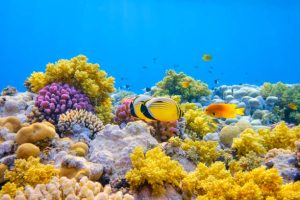
Coral reefs are considered ocean habitats that are built over time by tiny corals leaving behind calcium hard skeletons. These fascinating structures are considered a shelter to an incredible array of marine life, making them among the richest ecosystems on the planet.
Regardless of the type of the reefs, either hard or soft corals, they provide vital shelter, spawning areas, and food sources for a wide range of marine species, from colorful fish to glorious sea turtles. In addition to their ecological significance, coral reefs play a vital role in protecting shorelines from erosion and tidal surges.
However, coral reefs face big threats including pollution, climate change, and overfishing, which emphasizes the urgent need for conservation and sustainable actions to protect these brittle underwater structures.
What is Coral Reef Destruction?
Coral reef destruction is the degradation of the corals of the ocean, possibly in huge numbers. This usually happens as a consequence for illegal fishing techniques, careless tourism, pollution, and other natural phenomena like earthquakes and hurricanes.
Without doubt, climate change—which is the main cause for our warmer oceans and according to experts, is also the main reason behind the death of around half of the corals in the Great Barrier Reef.
Corals are considered one of the living organisms, as they can get sick and die. Rising local and global pressures cause more and more dying off to the reefs worldwide.
How Many Coral Reefs Have Been Destroyed?
Around 50% of the corals around the world have been destroyed completely or badly damaged. This destruction is still continuing at an alarming rate as a result of many factors, including overfishing, climate change, sewage runoff, and other factors.
What are the Main Causes of Coral Reef Destruction?
Coral reef extinction threatens food security, livelihoods, and ecosystems worldwide. Thus, there must be an urgent global awareness and action in order to prevent lasting damage.
We can summarize the main causes of coral reef destruction in the following points:
Reef Bleaching
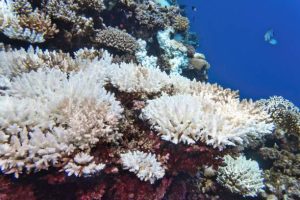
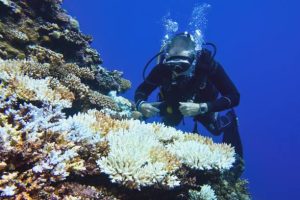
Reef bleaching happens when the rising temperature of the water—mainly due to global warming—forces corals to expel their microorganisms that are responsible for their vibrant colors.
Although the death doesn’t happen immediately, bleached reefs become fragile and prone to disease, especially under ongoing stress.
Poison or Dynamite Fishing
Using wrong fishing practices, such as using cyanide or homemade explosives, continue to threaten coral reef ecosystems. Cyanide doesn’t have an effect on fish only, as it also can be fatal to coral polyps when it gets into their nooks and crannies.
In some countries like the Philippines and Indonesia, blast fishing with dynamite is still common, causing widespread destruction to marine habitats for short-term gain.
Water Pollution
Water pollution with oil, fertilizer, and waste dumping can damage coral reefs and speed their destruction. These elements can change the chemistry of the water, and block sunlight and nutrients which is vital for the reef survival.

Sedimentation
Marine sediment is considered the solid particles that are carried from land into the sea. Human settlement besides agricultural activities increase the amount of particles that are washed off into the sea. On the other hand, coastal construction and mining cause heavy silt and soil runoff.
Sediment in the sea can cover coral reefs, blocking sunlight and stopping important food from reaching them. Thus, when fish become unable to feed and coral polyps are unable to grow, the area will become inhospitable to reef life.
Careless Tourism
Increased tourism is also considered one of the main causes of coral reef destruction. The following factors can lead to coral reef damage:
- Uncontrolled building and irresponsible business operations.
- More dirty water gets dumped.
- Careless behaviors from tourists.
Recreational boating and tourism can unintentionally harm coral reefs through dropped anchors, vessel grounding, and careless behavior by scuba divers and snorkelers.
Physical contact, even from resting or touching, exposes reefs to damaging oils and pressure. Much of this impact can be prevented by simple education and greater awareness among sea-loving visitors.
What Happens if Coral Reefs Become Extinct?
Scientists are scrambling to ensure the survival of the remaining coral reefs around the world, as they are considered key to the continued well-being of the planet.
Even if global warming stopped now, scientists warn that over 90% of coral could still vanish by 2050. Without major action, coral reefs could disappear—and that would deeply affect the future, since we depend on them so much and the destruction of them could affect on the kind of world for the future generations.
But what can we do about it? You may think your small actions are tiny ones, but they still matter, and they add up. Everyone’s effort can make a real difference.
You can protect coral reefs by joining local conservation efforts, choosing reef-friendly businesses, saving water, cutting plastic use, being a careful tourist, and -most of all-sharing and spreading awareness and education with others.
How Can We Restore Coral Reefs?
Pollution and other threats are sadly causing coral reefs destruction worldwide. We can recover coral reefs by planting nursery corals, fixing their surroundings, and protecting them from dangers, such as climate change.