Feeling tired after scuba diving can have many causes. Although, you don’t have to suffer from this anymore. Follow these 7 simple steps that you will read below in this article to maintain vitality and prevent feeling tired after scuba diving.
7 Practices to Prevent Feeling Tired After Scuba Diving
The following practices can prevent feeling tired after scuba diving if you can maintain their performance:
- Use nitrox.
- Conduct better safety stops.
- Performing optimal speed ascents.
- Use square dive profiles.
- Increase the surface intervals.
- Limit the number of repetitive dives.
- Ensure to be well-hydrated.
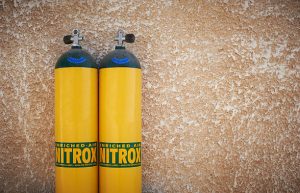
Use Nitrox
One of the benefits of using nitrox when scuba diving is reducing the formation of micro-bubbles while ascending and in turn reduce decompression stress and prevent feeling tired after scuba diving.
Conduct Better Safety Stops
Safety stops allow nitrogen to leave your body before surfacing. This can in turn prevent formation of excess amounts of micro-bubbles. The more the quality of safety stops, the more you find a big difference. For this reason, follow the next tips:
-
Conduct Safety Stops with Accurate Buoyancy Control
You will find that the flactuation in pressure is more in shallower water. It’s important to improve your buoyancy control to stay within 50 centimeters of the planned dips of safety stop.
-
Conduct Additional Safety Stops
It isn’t necessary to arbitrary 5 meters stop for 3 minutes and to add further stops to reduce the speed of the change in the pressure on your body. When diving deeper, it’s better to spend one minute at 9 meters deep and also to add a couple of minutes at 3 meters deep to help prevent feeling tired after scuba diving.
-
Ascend Slowly After Finishing Your Safety Stop
After finishing your safety stop, ensure to ascend very slowly to the surface. The maximum ascent rate is 3 meters per minute. For instance, spend at least one to two minutes between the last safety stop and the surface.
Performing Optimal Speed Ascent
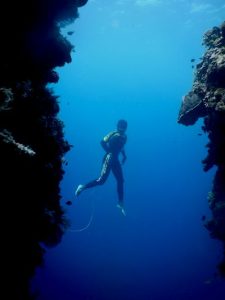
Ensure to ascend at the optimal speed of 9 meters per minute between the bottom of the sea and your safety stop. It’s also a bad habit to ascend rapidly, however crawling to the surface at a slower speed should be avoided too, as the too slow ascending from depth can also increase bubble formation.
Actually it’s very counter-intuitive to consider that slow ascending can cause more bubbles. The DAN made a study that illustrates that a slow ascending rate of 3 meters per minute causes more bubbles than ascending at 9 meters per minute.
Use Square Dive Profiles
The change in pressure causes the formation of micro-bubbles. For this reason try as possible to avoid unnecessary changing in pleasure during your Dives by the following:
- Try hard to improve your pione control in order to prevent the unnecessary depth fluctuations.
- Ensure to maintain a consistent depth.
- Put on to considerations that the change in pressure is more severe at shallower water.
- Never conduct bounce dives.
- Conducting saw-toothed profile dives isn’t also recommended.
Increase the Surface Intervals
A number of micro-bubbles will form inside your body after the first dive, so it’s important to stay at the surface for a sufficient time to allow these bubbles to disappear before the next dive.
When you wait longer before diving again, you allow more nitrogen to leave your body, as a result of that, there are fewer micro-bubbles formed on the next dive.
For these reasons, your surface interval should be at least one hour between two scuba dives. This will help you alot prevent feeling tired after scuba diving.
When you descend with micro-bubbles in your body, this doesn’t make you get rid of them as they continue to crush in size while descending and more nitrogen will go inside them. While ascending, they will grow again even larger.

Limit the Number of Repetitive Dives
When it’s your holiday and you are going to go on scuba diving trips, you will be tempted to cram in as many dives as possible every day. In the Open Water Diver course, you will know that repetitive dives cause accumulation of nitrogen in your body. This residual nitrogen causes formation of more micro-bubbles while ascending.
So, you need to limit the number and depth of your dives to prevent decompression stress. If you do that, you will enjoy your vacation evenings instead of feeling tired after scuba diving and either will not feel exhausted after diving for the following days.
Ensure to Be Well-hydrated
If you are suffering from dehydration, your blood thickens. This causes reducing the ability of your body to get rid of nitrogen and that in turn will result in producing more micro-bubbles while ascending.
Active hydration is considered an important thing to keep into consideration when diving, especially if your vacation in a tropical destination.
You Can Avoid Feeling Tired After Scuba Diving
Briefly, feeling tired after scuba diving is not a normal thing. Post-dive fatigue can usually be attributed to decompression stress. This occurs as a result of the formation of micro-bubbles in your body while ascending. If you feel fatigued, lethargic, malaised or sleepy after scuba diving, you are likely to have decompression stress.
To prevent feeling tired after scuba diving, you can keep the following precautions into consideration:
- Ensure to perform several effective safety stops.
- Conduct optimal speed ascending.
- Try to minimize depth fluctuation.
- Make your surface intervals longer.
- Limit the number and depth of your dives.
Using nitrox is a very helpful step in reducing the formation of micro-bubbles and don’t forget that your dive computer only plans to help you prevent the formation of large, harmful bubbles.
Follow the simple, effective measures described in our article and you can avoid feeling tired after scuba diving and start enjoying a more energetic and comfortable dive experience.