Fin Design and Hydrodynamics: Engineering for Optimal Propulsion and Maneuverability
Fins are not only a vital part of a diver’s equipment but also a means of propulsion and control in the underwater world. The study of fin design and hydrodynamics is a fascinating combination of engineering, biology, and physics, all put together to maximize efficiency with minimal effort. This article covers the fundamental principles behind fin design and how hydrodynamics helps achieve the best propulsion and maneuverability.
The Fundamentals of Fin Hydrodynamics
Hydrodynamics concerns the interaction between water and an object in motion. In diving, hydrodynamic efficiency refers to how well the fins can efficiently convert diver movements into propulsion forward while minimizing drag and friction.
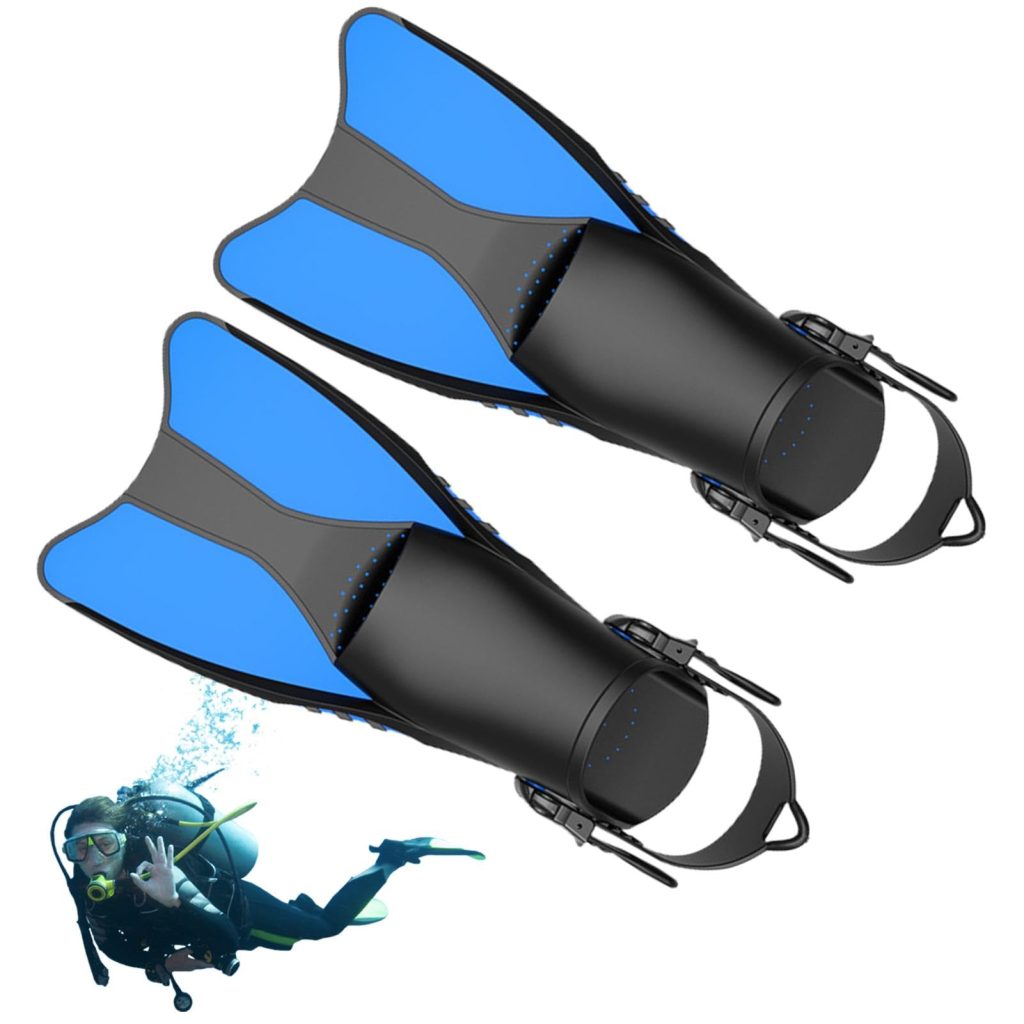
Factors that affect hydrodynamic performance are:
1. Surface Area: Larger fins generate more thrust but require more energy to move.
2. Flexibility: The flexibility creates a whip-like action that enhances propulsion using less energy.
3. Angle and Shape: The angle between the blade and foot pocket affects the efficiency of the force transfer.
4. Material: Light yet strong materials such as thermoplastics or carbon fiber enhance performance and reduce fatigue.
Types of Fin Designs
Various fin designs suit different diving styles and conditions. Understanding these designs helps divers choose fins that match their needs.
1. Paddle Fins
Paddle fins are the oldest design and consist of a flat blade that produces a forward motion when kicked. Simple and reliable, thus they remain popular among sports divers.

Pros:
– Basic and solid.
– Work great in tranquil waters.
Cons:
– Take more work in heavy currents.
2. Split Fins
Split fins work like the hydrodynamic movement of fishtails, with a split right down the center of the blade. This shape cuts drag and makes for much more efficient propulsion.

Pros:
– Energy-efficient and perfect for long dives.
– Reduces fatigue in the legs.
Cons:
– Less powerful in strong currents.
3. Jet Fins
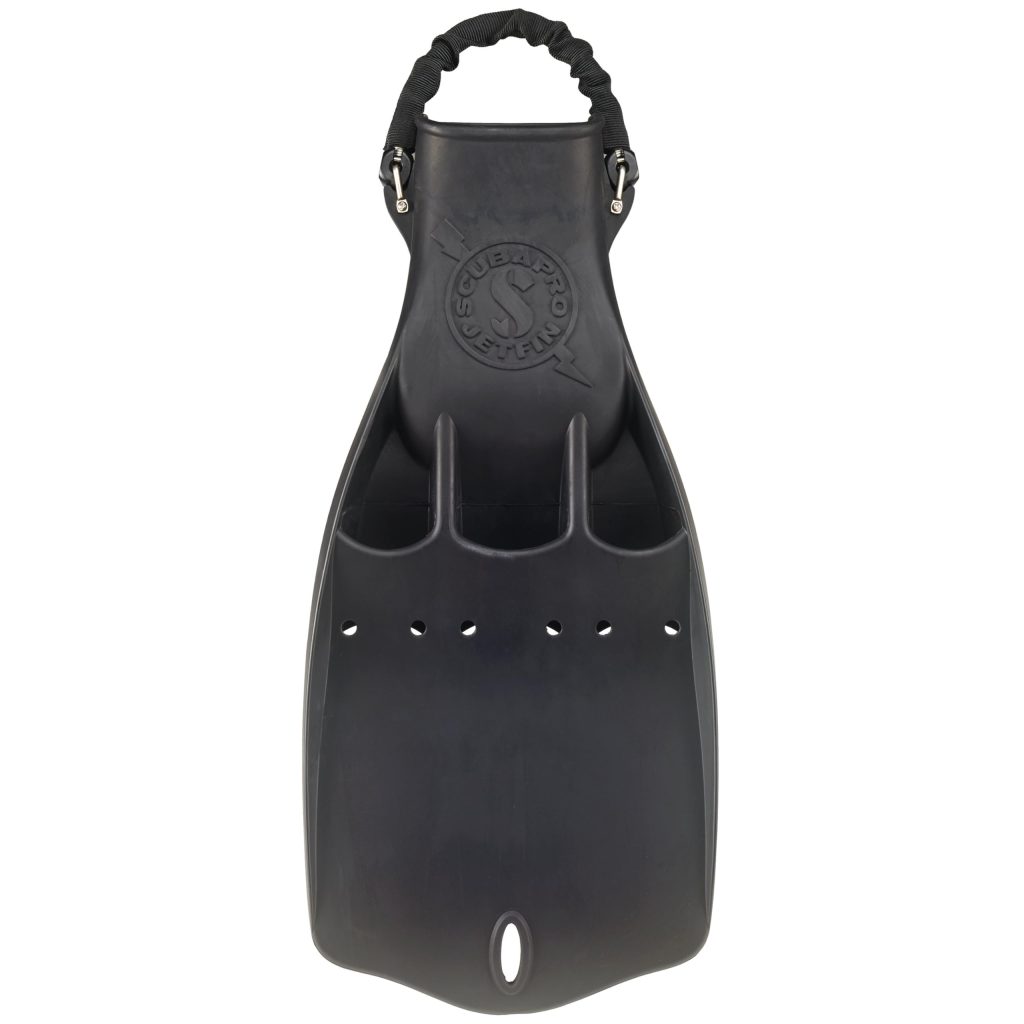
Jet fins have blades with vents allowing water to pass through them during the upstroke of the fin to reduce resistance and provide thrust on the downstroke.
Pros:
– Great in strong currents.
– Durable and versatile.
Cons:
– Heavier compared to other designs.
4. Monofins
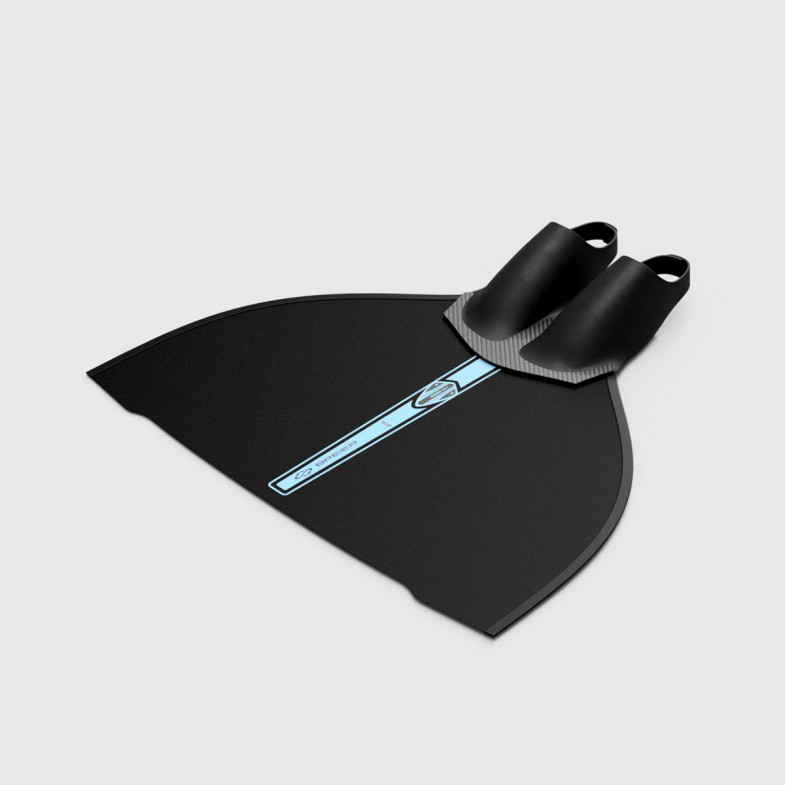
Monofins are designed with one single blade that is worn on both feet, mainly in the cases of freediving or competitive swimming. It tries to imitate the swimming of marine mammals, like dolphins.
Pros:
– Extremely powerful and efficient.
– Great for high-speed swimming.
Cons:
– They require advanced technique and training.
Hydrodynamic Features in Modern Fins
Development of technology has provided fins with the following innovative features for performance improvement:
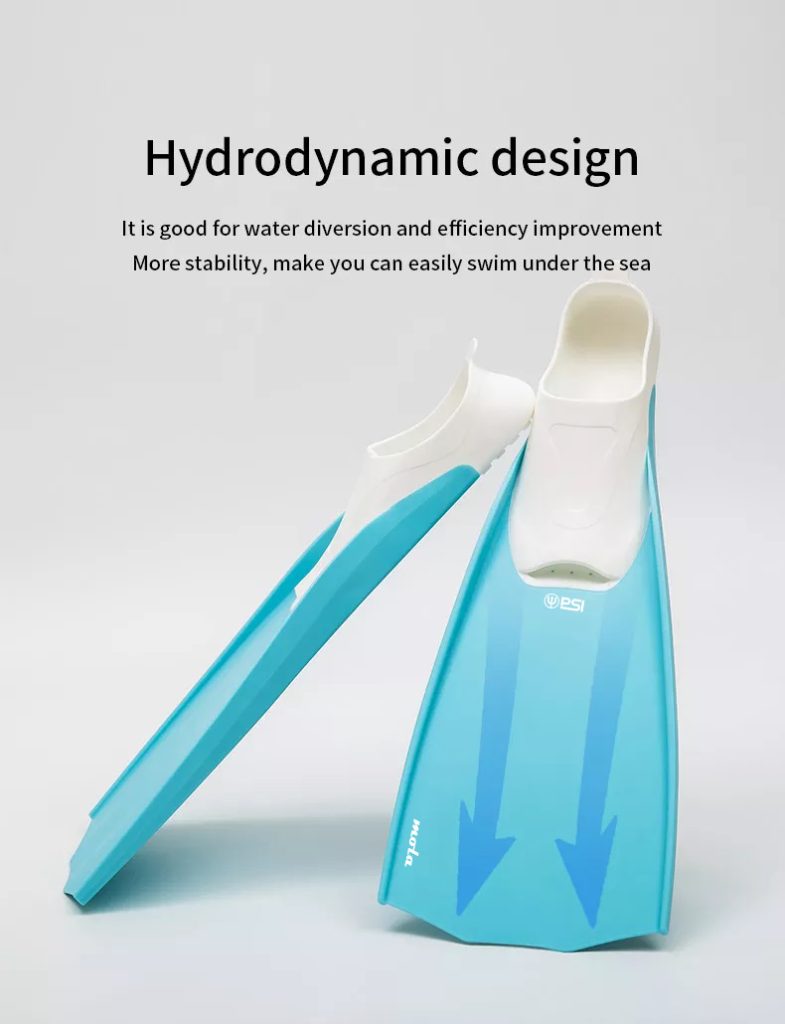
- Vents: Channels that reduce drag during the upstroke.
- Channels: Grooves that direct water flow for increased thrust.
- Winglets: Small flares at the edges to improve stability and control.
- Variable Flex: Zones of differing flexibility to optimize energy transfer.
Biomechanics and Fin Efficiency
The efficiency of the fin is determined not just by the fin design but by interaction with the diver’s movements. The correct kicking technique is critical for maximizing propulsion while minimizing loss of energy. Techniques include:
1. Flutter Kick: Fast, alternating, rhythmic movements of the legs, which is most effective for most recreational diving.
2. Frog Kick: A wider, sweeping action, which is used to reduce silt disturbance and conserve energy.
3. Dolphin Kick: A powerful, undulating motion often used with monofins.
Materials and Construction
Contemporary fins are made of various advanced materials that balance durability and performance features:
- Rubber: Flexible and strong, though heavy.
- Thermoplastic Elastomers: Lightweight and versatile, especially in split fins.
- Carbon Fiber: Very light and responsive, thus used in high-performance fins.
Choosing the Right Fins
Selecting the right fins depends on the diver’s goals, environment, and physical condition. Key considerations include:
- Diving Environment: Strong currents may require stiff, vented fins, while calm waters suit flexible designs.
- Experience Level: Beginners may prefer paddle fins for simplicity, while advanced divers may opt for specialized designs.
- Physical Fitness: Lightweight and efficient fins reduce strain on the legs.
The fin design and hydrodynamics lie at the very core of underwater propulsion and maneuverability. From paddle fins to advanced split and monofin designs, the evolution of fin technology continues to empower divers to explore the depths with greater efficiency and comfort. Understanding the principles of hydrodynamics and choosing the right fins for their needs allows divers to optimize their underwater performance and enjoy the wonders of the ocean like never before.