When the sun dips below the horizon, the ocean transforms into a mysterious, glowing world that few dare to explore. Night scuba diving isn’t just a thrill—it’s an entirely different dimension of underwater adventure.
Whether you’re a curious beginner or an experienced diver chasing bioluminescent dreams, this FAQ is your torchlight through the darkness. Let’s illuminate the secrets of the deep.
Is It Safe to Scuba Dive at Night?
Night scuba diving can be dangerous if a diver hasn’t got the proper training for scuba diving (and night diving specifically).
As a night diver, you should keep an eye on the depth you’re diving to, the decided direction, and the place of your dive buddy. It is a fact that you’re going into danger—you’ll wish you got ready first.
What is the Point of Night Diving?
Night scuba diving adds a thrilling twist to underwater exploration. As darkness settles through the water, marine life behaves differently, and the underwater world reveals a more surreal side.
What are the Risks of Night Diving?
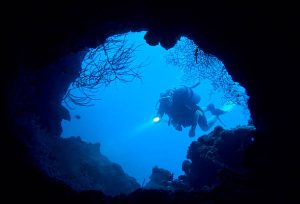
The main risks of night diving include the following:
- Visibility is limited.
- You may become disoriented and lose your Direction.
- Unexpected Marine Life Behavior.
- Become separated from your dive buddy.
- The Risk of Panic or Anxiety is increased.
- Equipment Failure Goes Unnoticed.
What is the Night Dive Preparation Checklist?
Before you descend into darkness, ensure your gear—and your mind—are ready. Here’s what you need:
- Tested and charged primary dive light.
- Backup dive light (and to be easily accessible).
- For visibility, you should have a glow stick or tank marker light.
- A surface marker buoy (SMB).
- Audible signaling device (such as a whistle)
- An illuminated compass.
- Dive computer or timer.
- Exposure protection to keep you warm in the water.
- Reflective tape or accessories having high visibility.
- Pre-established hand signals with your dive buddy.
- Check the dive spot while it’s still light out.
Do I Need Special Certification for Night Scuba Diving?
Some dive shops require you to pass an Advanced Open Water course, but others allow night dives for novice divers with an experienced guide.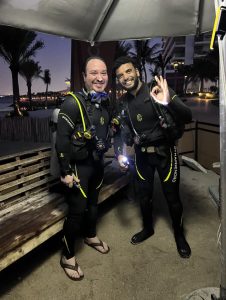
Is Night Scuba Diving Dangerous?
Not at all! If you stay with your buddy, use the right scuba equipment, and follow safety guidelines, then night scuba diving will be as safe as daytime diving.
How Do I Prepare for My First Night Dive?
First, visit the same site at thr daytime and do some dived, get comfortable with using a dive light, and keep moving slowly to avoid becoming disoriented.
What Marine Life is More Active at Night?
At the night time, wxpect to see lobsters, octopuses, eels, crabs, and you may also spot sharks, as they sometimes hunt in the darkness.
What’s the Best Beginner-friendly Night Dive Location?
There are many great dive locations for beginners such as Bonaire and Cozumel. The manta ray night dive in Kona can be also an excellent guided first-time experience.
What Are the Skills for Night Diving?
When it comes to Night Diving training
In the course, you will learn about the proper breathing techniques, the best type of communication underwater at night, navigation and dive planning in limited visibility, in addition to some tips on how to choose and use a dive light and other accessories which are crucial to practice night scuba diving.
Are Night Dives Worth It?
Night scuba diving offers unique experiences as familiar dive spots turns are transformed into entirely new experiences. In the dark, you start to notice small things you’d usually miss during the daytime. It feels totally different from daytime – quiet, calm, and meditative.
What Are the Requirements for Night Diving?
Normal requirements for a night dive, include a dive light, as well as adequate protection from exposure. You need to adhere to some precautions and acquire specific skills for night scuba diving including: not to shine the light in the eyes of other divers, how to watch and use surface lights to find your direction, and use a glowing shotline buoy if it fits the dive plan.