


Don’t Let Your Gear Ruin the Dive.
Scuba diving is fun and full of adventure — but the wrong gear or small mistakes can turn it into a bad day underwater. A foggy mask, loose straps, or a missing tool can mess up your dive or even put you in danger.
In this article, we’ll show you the most common scuba gear DON’Ts and how to avoid them. Stay safe, dive smart, and enjoy every moment under the sea.
General Scuba Gear DON’Ts
Avoid these scuba dive gear don’ts to ensure your gear investment lasts a long time. Follow these simple tips to save thousands on gear replacement or repair. For example:
Don’t Let Your Gear Dangle
It damages your gear and causes harm to fragile marine life.
- Secure that alternate regulator besides your body using an octo holder
- Attach the mesh bag, noisemaker, etc to the D-rings or straps of your BCD with the help of clips or retractable lanyards.
Don’t Prop Your Fins Up Against a Sall
Your scuba fins are specially designed with an aquadynamic shape in order to increase propulsion as well as reduce drag. Putting your fins against a wall can bend them out of shape.
Ensure to store them lying down flat, ideally with an insert in the foot pocket to make them last longer. If this isn’t a choice, the best way then to store them is to hang them on a wall by the fin strap.
Don’t Leave Dive Gear Out in the Sun
The direct sunlight can cause damage to the fabric, rubber, and neoprene of the dive gear due to the UV rays. On the drying step, do that indoors or in the shade.
Don’t Store Wet Gear
Sounds backwards—dive gear’s supposed to get wet, isn’t it? Yes, towels are wet too, and they start to smell if you leave them damp for a long period. Unfortunately, bacteria as well as mildew will grow on damp equipment, causing the metal parts to rust.
Ensure to fully dry your scuba gear —inside and out—before packing to avoid any unpleasant surprises.
Don’t Use Petroleum Products or Chemical Solvents
Petroleum jelly can cause damage to both rubber and silicone o-rings, and some chemicals can ruin plastic housings. Ensure to use specific products which are designed for your equipment. When you are uncertain, call the local dive center or resort from which you purchased your equipment.
Wetsuit Don’ts
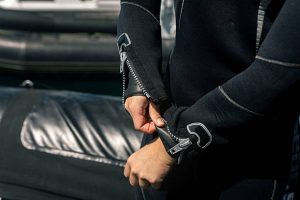
Never use the washing machine in cleaning your wetsuit or even put it in the dryer. Instead of that, use a good amount of any wetsuit cleaner in addition to warm water for a few minutes. Then rinse it and allow it to dry thoroughly.
Don’t alter your wetsuit. Glue small tears, but when there are major fixes, such as the legs need to be shortened or sides to be taken in, contact a professional.
Scuba Tank Don’ts
Scuba tanks seem tough, but they can still get damaged. Keep tanks standing up or flat with stuff on both sides so you prevent them from rolling around.
After shore diving, set your tank down softly, don’t drop it. A sudden impact can cause damage to the cylinder and/or valve.
If there is a leakage in the tank and a new o-ring doesn’t help, tell the dive crew or get it checked in the dive shop. Do not attempt to dive with a leaky tank.

Dive Weight Don’ts
Don’t leave your dive weights on a table, bench, or anywhere they can hurt someone’s foot (or other body part). Keep your weights in a crate, dive bag, or somewhere safe.
Regulator Don’ts
When talking about scuba gear don’t, we won’t to forget the regulator. Whenyou rinse your regulator after each dive, keep a close eye on how and where you’re grabbing hold of it. If you press the purge button when the regulator is not pressurized, this may lead water to enter the valves – and in turn, you will need to service the regulator.
Don’t mess with your scuba regulator. It’s a precision gear and attempting to disassemble it can void the warranty and put you in dangerous situations underwater. Visit only trained people when you want to fix or check your regulator.
If you are interested in understanding how your gear works inside, enroll in the PADI® Equipment Specialist course. It is considered a one-day course that will take your hands to the PADI Master Scuba Diver™ rating. In this course, you will learn the following:
- Different types of scuba diving equipment.
- Basic equipment repairs.
The proper way to adjust and maintain your equipment, Only buy gear from an authorized dive shop – Local dive centers are the heart of the scuba diving community, and equipment sales are their lifeblood. Before buying from an online store, communicate with your local PADI Dive Center or Resort. They will help you in choosing the best scuba gear for your local scuba diving conditions, service your equipment in addition to the great advice. Be careful when dealing with online retailers offering low prices that are too-good-to-be-true. You might end up with bad equipment and no easy way to service it annually.


