


Snorkeling and scuba diving are both exciting underwater activities in which you can enjoy and explore the underwater world, offering unique experiences with marine life. However, they differ significantly in the methods used to do so.
Everyone knows that snorkeling uses a mask and snorkel, while scuba diving involves more advanced equipment, including a self-contained breathing apparatus. But what are the other differences? Which one is superior? And why might someone prefer one over the other? Dive deeper with us to find out.
A Quick Overview of Snorkeling
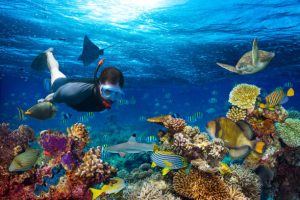
Snorkeling is an aquatic adventure where you float on the surface of the water, peering down at the underwater scenery with the help of a mask and snorkel to see and breathe. It’s a fantastic way to appreciate the ocean and observe the vibrant marine life that inhabits it.
A Quick Overview of Scuba Diving
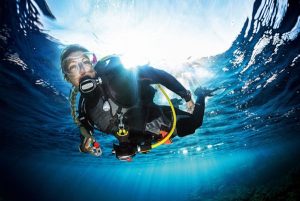
Scuba diving is a thrilling underwater activity in which you can explore ocean depths with specialized gear, including a scuba tank for air, a regulator for breathing, a wetsuit for warmth, and other equipment for safety and buoyancy.
With scuba diving, you will have deeper and longer underwater experiences with marine life and seascapes. Recreational diving focuses on safe enjoyment, while technical diving demands advanced skills for complex dives. Both offer unique chances to discover the marine world’s beauty.
Main Differences Between Snorkeling and Scuba Diving
Here are the main differences that make snorkeling and scuba diving enjoyable and challenging for both swimmers and divers.
Purpose
In snorkeling, you will view fish, coral reefs, and marine plants from just below the water’s surface. Although it’s primarily a recreational activity, some people combine it with shallow water spearfishing and some competitive underwater sports, such as underwater hockey.
In scuba diving, you will explore deeper depths far beyond what snorkeling can offer. It’s often pursued for recreational purposes, such as exploring underwater caves and shipwrecks or combined with deep water spearfishing. However, for professional divers, scuba diving extends beyond a hobby to include commercial tasks like underwater welding, offshore construction, civil engineering, and military diving missions.
Essential Equipment
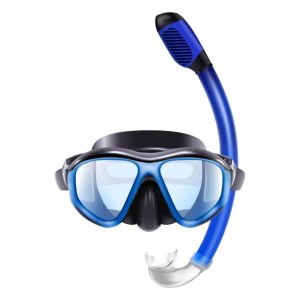
For snorkeling, all you need is a snorkeling mask that covers your eyes and nose, a snorkel tube (L or J-shaped), and optionally, a pair of fins. The mask keeps water from entering your eyes and nose, while the snorkel enables you to breathe comfortably with your face submerged.
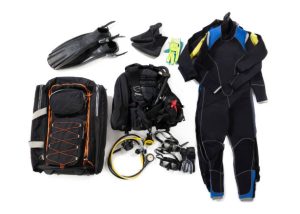
For scuba diving, a considerably larger amount of gear is needed. The essential items include a well-fitting scuba mask, a wetsuit or drysuit, a pressurized gas tank (either steel or aluminum) with a scuba regulator attached, a buoyancy compensator, and swim fins, among other equipment.
Breathing Technique
Snorkeling
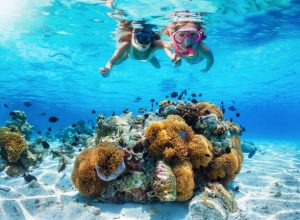
Snorkeling usually requires keeping your face just underwater to prevent the tube from flooding. If you wish to dive deeper, you must hold your breath and remove the snorkel. To breathe again, return to the surface, allow the snorkel to protrude above the water, and blow forcefully to clear it before inhaling.
Alternatively, you can use a dry snorkel, which enables you to dive a bite deeper. These snorkels have a mechanism that seals the top of the tube when submerged to prevent water from entering, along with a purge valve to make it easier to expel any water that does get in.
Scuba diving
Scuba diving is relatively straightforward; with a scuba tank, you can remain completely submerged while breathing easily through the regulator, which dispenses air on demand or continuously in emergencies.
A critical distinction between snorkeling and scuba diving is that, unlike snorkelers who can hold their breath safely, holding your breath while scuba diving is extremely hazardous and can have fatal consequences.

Duration Underwater
When snorkeling, you can enjoy endless hours observing marine life just beneath the surface, thanks to the snorkel providing a constant air supply. However, if you want to dive deeper, you’ll be constrained by how much time you can hold your breath.
Scuba diving with a scuba tank enables you to remain underwater for extended periods without the need to hold your breath, unlike snorkeling. Factors like decompression limits and environmental conditions can affect dive duration, but overall, you can stay underwater much longer—limited mainly by the air supply in your tank, which depletes faster as you go deeper..
Dangers and Risks
Snorkeling
Snorkeling is generally a safe activity with minimal risks. The main hazards include potential collisions with motorboats and jet skis, which may not spot your snorkel from a distance.
Additionally, there is a possibility of cuts and scrapes from rocks and corals, stings from jellyfish, and other injuries from marine creatures.
Prolonged exposure to the sun while snorkeling near the surface can also lead to sunburn, but this can be avoided by using sufficient sunblock and wearing a UV-protective rash guard or wetsuit.
Scuba diving
On the flip side, scuba diving carries significant risks if not performed correctly. It might surprise many, but even in the safest waters, scuba diving can be perilous. These dangers include:
- Equipment malfunctions that can lead to decompression sickness or even drowning.
- Diving beyond 100 feet can result in nitrogen narcosis or oxygen toxicity.
- An improper ascent can cause a pulmonary embolism.
- There are also the standard hazards like encounters with sea creatures and boats..
Skill Level
Even without any diving experience, swimmers can enjoy snorkeling without requiring training or certifications. However, to explore reefs deeper than 12 feet, you will need more practice and experience in holding your breath repeatedly.
In contrast, it’s quite evident that scuba diving demands extensive training in deep-water techniques and the use of breathing apparatus. Additionally, obtaining a diver certification is essential to ensure divers possess the necessary knowledge and skills to maintain safety during each dive.
Snorkeling vs Scuba Diving
So, Snorkeling vs scuba diving, which wins? Actually, the key consideration isn’t which activity is superior, but which aligns best with your goals. After finishing this article, you should now have a clear understanding of what you can achieve with your current swimming skills and what you might need to work on based on your underwater ambitions.
No matter which activity you opt for, always prioritize safety to fully enjoy the experience. Have a great time!


