As a scuba diver, proper safety stops require you to find the right depth and time for your stop. The highly recommended depth for a safety stop is about 5 meters to allow divers to release compressed air on the water and reduce the risk of decompression sickness.
You can time your safety stop with the help of a dive computer or a watch as it will monitor the duration of the stop accurately.
It’s a crucial thing to maintain proper positioning and neutral buoyancy while performing the safety stop. Holding onto the anchor line or mooring line can benefit you, as it will help you stay at a specific depth and also maintain your position.
By following the next guidelines, you will be on the way to mastering the art of safety stops and ensuring having an enjoyable safe diving experience.
How to Master the Art of the Safety Stops?
Mastering the art of safety stops makes you enhance your diving experience and enjoy peace of mind when you know that you are taking a proactive behavior to protect your health and safety during your adventure underwater..
In this guide, you will know with us the important steps that you should follow to master the art of the safety stops, these steps includes:
- Finding the proper depth.
- Timing your stop.
- Maintaining position and buoyancy.
- Learn the best practices of safety stops.
- Staying aware of surroundings.
- Communicating with your dive body.
- Making safety stops fun.
Finding the Proper Depth
Performing safety stops at the right depth is very important for a safe successful ascent. 5 meters is the highly recommended maximum depth that is used for a safety stop. This depth allows the body to release the excess nitrogen that is accumulated while diving and in turn prevent Decompression Sickness.
You can find the correct depth for your safety stop with the help of a dive computer or a depth gauge, as they will monitor your depth accurately.
Another essential step is to maintain proper buoyancy control. Its importance lies in staying at the same level throughout the safety stop. You must be sure that you perform your safety stop at the correct depth to ensure preventing decompression sickness and enjoy a proper safe ascent.
Timing Your Stop
Timing your safety stop is another essential step to have a secure ascent and avoid decompression sickness. 3-5 minutes is considered the recommended duration for a safety stop even while recreational diving.
To ensure correctly timing safety stop, you can use a dive watch or a dive computer to monitor the duration of the stop accurately.
By correctly timing your stop, your body has enough time to release excess nitrogen and this reduces the risk of decompression sickness in addition to helping maintain proper positioning while making a safety stop and ensuring at the end smooth and secure ascending to the surface.
Maintaining Buoyancy and Position

To guarantee a secure ascent to the surface, you should put this point into consideration. To maintain appropriate buoyancy during a safety stop, you can use a dive computer to monitor your depth or remain level with safety sausage real’s individual holding.
During a safety stop, you must monitor chest level with your dive computer and depth gauge to make sure that you remain at the same level or specific depth and not ascending unintentionally to the surface.
It’s also necessary to vent air from your BCD while ascending to establish neutral buoyancy and ensure a slow ascent. You can have a comfortable safe ascent to the surface when you maintain proper buoyancy and position.
Learn the Best Practices of Safety Stops
To ensure that you make the most of your safety stops, it is essential to follow their best practices, which include:
- Staying aware of your surroundings.
- Communicating with your dive buddy.
- Making your stop enjoyable.
The previous practices can enhance your overall scuba diving experience and contribute to ingrain your safety and well-being while ending your dive.
Adhering to the best practices of safety stops will make you enjoy your diving experience and make sure that you and your dive buddy remain secure throughout your underwater trip, so whether you are an experienced diver or just a novice one, follow these best practices and make every stop a successful one.

Staying Aware of Surroundings
It’s a crucial thing to remain cognizant of your surroundings while making your own safety stop, as this enables you to be more conscious of your environment, including vessel’s arrangement, systems and operators. This also facilitates you to be secure and to make sure you have got all the critical information.
To achieve that, you must observe your surroundings during your rest on the tether line. With maintaining situational awareness, you nsure having a safer and enjoyable diving experience.
Communicating with Your Dive Buddy
Communication with your dive buddy is considered vital during a safety stop to make sure that both of you are secured and cognizant of the activities of each other.
Hand signals are the most common type of underwater communication system. You can make a safety stop sign by displaying the “Level ff” hand signal with three fingers raise above the other hand to inform about it and its duration.
Effective communication with your dive buddy can make sure that both scuba divers are in a secure state. In addition to contributing to a safe diving experience, this point fosters camaraderie and work among partners.
Making Safety Stops Fun
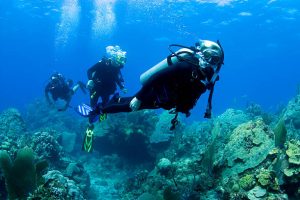
You can make safety stops fun when you participate in entertaining activities ant maintain your focus during the stop. You can engage some activities in during a safety stop this activities includes:
- Rock-paper-scissors.
- Identifying different species of coral and fish.
- Tic-tac-toy.
- Taking photos or videos.
- Observing marine life.
- Practicing buoyancy control.
Making safety stops enjoyable can help keep yourself relaxed and more focused on the task at hand and also ensure a successful and fun diving experience.
So the next time you are on a dive make sure to incorporate some of these activities while making your safety stop and see how much more fun you get in your underwater trip.