Surface intervals are considered crucial periods of rest between dives. Its importance lies in allowing your body to eliminate excess nitrogen that has been absorbed during your previous dive.
In this article, we will give you answers to the most important FAQs about surface intervals.
What is a Surface Interval?
We can define a surface interval as a period of time that a scuba diver stays out of the water between two scuba dives. During this period, the nitrogen that your body absorbed during the previous dive will be released from it. After 24 hours, all the residual nitrogen must have off-gassed.
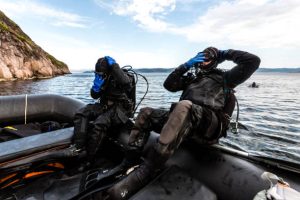
What is the Surface Interval between Deep Dives?
Wearing a dive computer or using a dive table will help you a lot to plan how long your surface interval should be and how long you can dive safely at a specific depth. Most surface intervals range from 40 to 60 minutes.
How Long Should My Surface Interval Be?
The time of your surface interval between your dives must be at least 10 minutes. If it is less than 10 minutes, you must put into consideration that the second dive is just a continuation of your first dive. NAUI recommends the surface interval to be at least one hour between scuba Dives.
How to Calculate Surface Interval in Scuba Diving?
Dive computers can calculate surface intervals for you. After diving, the dive computer will tell you how long you can stay at a planned depth for your next dive. If you want to extend your next dive, you must stay at the surface longer until your dive computer shows the time you want.

What Are the Potential Risks of Rushing a Surface Interval?
If you rush your surface intervals in scuba diving, this can lead to potential dangers, as this increases the risk of forming bubbles in your body, leading to Decompression Sickness. When you take sufficient time for nitrogen elimination, this makes your diving experience more safe.
How Long Does it Typically Take for Nitrogen Levels to Return to Normal After a Dive?
After ending your dive, It will take nitrogen levels in your body some time to return to normal levels.
The recovery time depends on the duration and depth of the previous dive. Surface intervals are essential to allow your body to eliminate excess nitrogen safely.
Can a Diver Dive Again Before Nitrogen Levels Have Fully Returned to Normal?
Scuba divers mustn’t make repetitive dives without sufficient surface interval times. You shouldn’t dive until nitrogen levels return to normal. At least monitor them and follow recommended surface interval times to ensure having safe and enjoyable dives..
What Should Divers Do to Prepare for Changing Weather Conditions During a Surface Interval?
Scuba divers should prepare for the changing in weather conditions during their surface intervals by bringing warm clothing, dry bags, beverages and sunscreen. It’s also a crucial thing to prioritize weather safety precautions to ensure a safe and comfortable diving experience.

Are There Any Specific Guidelines for Hydration and Snacking During a Surface Interval?
Hydration and nutrition are very important things to care for during surface intervals, as they help you replenish the energy of your body and maintain proper functioning. For this reason, you must plan your surface intervals to allow yourself allocate sufficient time for these activities to ensure an enjoyable and safe diving experience.