What is a dive computer? A dive computer (decompression dive computers) is one of the most essential pieces of equipment.
Its primary function is to measure time and depth besides giving you the best ascent rate to the surface with the help of a pre-programmed algorithm. This helps in reducing the possibility of getting decompression sickness.
With a dive computer, you can stay underwater longer and have safer diving experience. This device should be one of the first items to purchase after completion of your open water course. You can find many types of dive computers that differ from each other in type, shape, display, dive algorithms, power supply, and dive functions.
In this guide, we will help you find the perfect dive computer for every stage of your journey. If you are interested, dive in!
Beginners Dive Computers
Are you an open water scuba diver, who enjoys practicing recreational diving regularly? Then the entry-level dive computer is the perfect dive computer for this stage.
One major advantage of an entry-level computer is its affordability. It will still be a reliable device that displays all essential information which enhances the whole diving experience.
Display
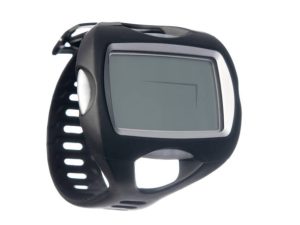
A budget computer usually features a “hockey puck” shape module having a smaller segment monochrome LCD screen, with which you can know all your essential dive information in addition to a user-friendly interface containing two, three or four buttons for menu navigation and selection.
Dive computers featuring tags with slightly higher price from companies such as Suunto offer a dot-matrix display having a fluorescent display in addition to a backlight. That makes reading data in low visibility conditions or night diving much easier.
Functions
Even affordable entry-level dive computers now include numerous features that offer both air and nitrox options as standard for different diving experiences.
Entry-lvel options will usually offer a selection between gauge only, freediving and scuba modes for divers who have a multi-disciplinary approach to the sport.
Alarms
Modern dive computers have both standard audible and visual warnings to alert the diver to reaching no-deco limits, maximum depth and maximum time – which enhances safety for novice scuba divers.
Scuba diving computers also include RNT (Residual Nitrogen Time) and No-Fly advisory as safety features.You have already known from your Open Water Course that it is easy to track nitrogen loading during a single dive, but it becomes slightly complicated for multiple dives.
A dive computer monitors nitrogen absorption across dives and calculates saturation levels. The NO-FLY icon -at the same time- indicates when the best time to avoid air travel, and entry-level dive computers feature altitude adjustment.
This feature is very useful for altitude diving, as it offers user-adjustable or automatic altitude settings to align the algorithm with saturation and desaturation rates.
Dive Planner and Log
One of the vital functions in dive computers is that you can plan and log your dives. Certain dive computers feature a built-in dive planner that provides you with live dive simulations as an improvement over the RDP.
Scrolling through the log offers a fun way to reflect on your diving journey and the improvement in your career. A Dive Log is a good solution when you want to gather data and useful dive information such as the dive suit type, diving conditions and marine creatures that you encounter.
Connectivity
Competition among dive computer manufacturers is growing, leading to more features such as PC/Mac connectivity being included in entry-level models.
Most dive units will connect by the dedicated cable provided with your dive computer or available as an optional accessory. Most manufacturers provide you with dedicated software or even mobile applications which you can use besides your device in any place you go.
It serves as an excellent backup for those who prefer logging dives in a traditional paper logbook.
Power Supply
Entry-level dive computers use either a user-changeable battery or a sealed compartment which can be opened by a trained technician.
The difference between these two choices is that the first option’s battery can be changed easily, while the second choice lasts longer but you will need to send your computer to a trusted dealer.
Today on the market, you will find that beginners dive computers cost from £230 up, which is considered a valuable deal, because the device ensures your safety by performing quite complex calculations during the dive.
Advanced Dive Computers
If you are planning to expand your scuba skills in diving in the near future, try more advanced types of diving with multiple nitrox gases in addition to multiple tanks? An advanced dive computer is the best dive computer for you.
For dive computers, “advanced” can refer to two different concepts.
Firstly, it refers to newer technology that allow for extra features, and secondly, to functionality for extended or deeper dives which requires advanced training and skills.
Significant enhancement over beginners dive computers are the display size and type and selected function. Advanced dive computers have dot matrix screens in cheaper versions, on the other hand, the more expensive computers will feature a large, full-colour display.
screens with full-colour have better, more understandable information projection as well as more user-friendly operations. Colour coding offers fantastic readability – most computers feature a traffic light colour system having green or white for all-is-good, Amber is used to attract attention, while red indicates you are exceeding your planned dive limits.

Functions
Most advanced dive computers should offer gas switching capabilities and calculate decompression with various air, and nitrox mixes that suit more advanced, deep air and extended range diving.
While diving using higher oxygen content gases, your advanced dive computer should provide you with the option to determine oxygen partial pressure and also to calculate the CNS (oxygen loading) as well as OTU (Oxygen Tolerance Unit). PPO2 setting will enable you to configure the correct partial pressure for the bottom gas mix and decompression gas.
With Central Nervous System (CNS) Oxygen Toxicity, you can measure how long you have been exposed to an elevated partial pressure of oxygen and display it on your dive computer as a percentage of maximum limit.
Another feature at this level is a digital dive compass, which eliminates the need for a separate analog compass.
Better dive computers will feature a multi-axis, 3D tilt-compensated digital compasses, which can be read in different positions with ease without the need to replace it horizontally to get accurate readout.
Alarms
Advanced dive computers significantly have enhanced safety features, which offer vibration alarms alongside audio-visual alerts. The unit vibrates to warn you if you exceed your dive plan or deviate from the expected values.
Air Integration
Besides, at this level and with a price of £400 and even more, many advanced dive computers provide air integration having optional wireless transmitters that can handle reading from one or multiple tanks.
Gas integration aids in managing gas by measuring tank pressure and calculating remaining underwater time at a specific depth. It will also consider your breathing rate in addition to adjusting your decompression accordingly.
Connectivity
One of the latest improvements on the technology of dive computers is Bluetooth connectivity – this technology will let you transfer data from your computer to your mobile or PC/Mac without the need for an extrA cable. This option isn’t only standard in advanced dive computers but is also finding its way slowly into entry-level units.
Power Supply
Advanced dive computers commonly offer rechargeable batteries alongside user-replaceable and sealed battery options. It, of course, depends on your own choice but with a rechargeable battery, you don’t need to bring a spare battery when needing to change it in the middle of your diving day.
A rechargeable battery might have a shorter lifespan but can be charged with laptop USB ports, mains USB adapters, or even power banks.
Technical Dive Computers
For advanced divers who are thinking about delving into the technical diving world? A technical diving computer is considered the perfect dive computer to choose!
Choosing technical dive computers has grown significantly over the last decade, offering the latest technology in the diving industry. Technical computers -without doubt- will have some advanced types but that doesn’t mean you can use it. A technical dive computer works equally well for both beginners and experienced tri-mix divers.
Design and Screen
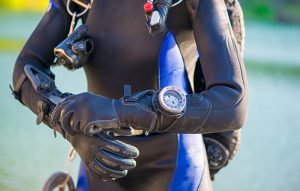
Most technical diving computers are independent devices worn on the wrist with only a few exceptions. Modern excellent technical diving computers are complex machines but have a smooth, user-friendly and intuitive interface that will let you track your dive profile on open and closed circuit dives.
Modern technical diving computers have almost exclusively dot matrix in addition to colour screens in order to have best readability and information display. Better models feature highly customisable displays which means you can determine which features you can display on your screen.
Functions
A technical diving computer should have the right level of customisation. That means its software allows the user to use different breathing gases like normal air, nitrox up to 100% and trimix.
The technical diving computer will have many features like that of a well designed advanced dive computer such as full oxygen tracking, multi-axis tilt-compensated digital compass, air integration, and O2 partial pressure settings.
The most significant enhancement from an advanced dive computer is the mode of “user-selectable dive” which lets you choose between open circuit diving and closed circuit. The closed circuit types support the growing number of recreational and technical rebreather divers. Some units such as Shearwater will provide users with the ability to connect with the rebreather electronics for monitoring oxygen sensor reading.
Another improvement in the technology of a dive computer resulted in dive gear manufactures such as Scubapro introducing “Human Factor Diving”. This unique feature allow the computer to read both the heart rate and body temperature and consider it in your decompression calculations.
Power Supply and Connectivity
Advanced dive computers now mostly have batteries which you can replace or recharge by yourself. On the other hand, sealed batteries are rarely used in watch-style models.
Similarly, Bluetooth connectivity is now a favored feature in high-end technical diving computers, as it connects users to cloud services.
Price
Technical dive computers for advanced mixed gas diving cost over £600. Although the price may seem high, their features and quality make them a worthwhile investment, especially for long-term use.