Finding the right wetsuit fit can be a challenge, as there are many factors that can play a vital role on how it should fit, such as body size and shape, in addition to the type of water activity you practic.
In this article, we will tell you the most common wetsuit issues and their solutions to help you achieve the best possible comfort and performance in your wetsuit.
The Most Common Wetsuit Issues
Wetsuits are great for warmth and protection in scuba diving and other water sports, but they come with some challenges. Understanding the most common wetsuit issues can help you maintain comfort and performance.
- Too tight.
- Too Loose.
- Uncomfortable Neck Area.
- Restrictive Shoulders and Arms.
- Baggy or Loose Lower Legs and Ankles.
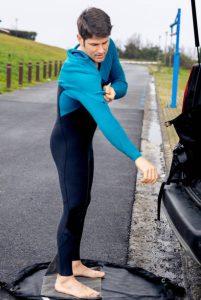
Too Tight: How To Know If a Wetsuit is Too Small?
A too tight wetsuit can cause high restriction of movement, difficulty breathing, and discomfort. Certain conditions can cause it to shrink.
Solutions might be:
- Sizing Up: Try the next size up.
- Brand Variations: Brands can differ from each other in their fits, as some can be narrower or broader. So, consider trying a different brand.
- Stretching the Suit: Although stretching a wetsuit is often undesirable, it can be beneficial in this case. Wearing it in a warm shower can slightly stretch the neoprene as well as enhancing comfort while maintaining a snug fit.
Too Loose: How To Know If a Wetsuit is Too Big?
A too loose wetsuit will have gaps, folds, and air pockets, leading to reducing its thermal efficiency and also causing a rash to it.
Solutions might be:
- Sizing Down: consider trying the next size down.
- Custom Fit: Some companies provide custom-fit wetsuits which can be tailored to your measurements.
- Different Cut: Try wearing a wetsuit having a different cut or style. Certain wetsuits are designed to fit specific body types, so choosing the right style can improve the fit.
Uncomfortable Neck Area: How snug should a wetsuit be around the neck?
If the neck area is too tight or allows water to enter easily, then, it’s not the right fit! Unlike boulder shoes, a wetsuit should offer both usefulness and comfort.
Solutions might be:
- Adjustable Neck: Some wetsuit styles have adjustable closures on the neck area. consider these options to ensure fitting around your neck.
- Different Brand: Try a different brand, as different brands have varying designs of the neck region.
- Alterations: In some cases, you can make minor adjustments to the neck area to get a better fit without affecting the suit’s integrity.

Restrictive Shoulders and Arms: How snug should a wetsuit be?
Having an issue when trying to raise your arms or doing overhead movements is unfortunately from the most common wetsuit issues and considered a serious problem when surfing and swimming.
Solutions might be:
- Flexible Materials: Consider choosing a wetsuit that is made from flexible neoprene in these areas, especially those with panels designs to enhance flexibility.
- Proper Sizing: make sure to choose the correct size. A too small wetsuit will restrict movement. So, try a larger size or even a different brand until you get a better flexibility.
- Break It In: wearing the wetsuit while practicing lighter activities to break it in and improve its flexibility.
Baggy or Loose Lower Legs and Ankles: How much looseness is acceptable in a wetsuit?
Ensure that the wetsuit doesn’t have excess material around the lower ankles and legs, as this can lead to flushing of water as well as reducing thermal efficiency.
Standing up on your surfboard with water-filled, wobbly wetsuit legs isn’t exactly the image of a cool surfer god you’d want to project!
Solutions might be:
- Tighter Fit: Choose the right size. choosing a smaller size or even a different brand may offer a better fit around your legs.
- Cuffs and Seals: Look for wetsuit designs that offer tighter seals or cuffs around the ankles in order to prevent water entry.
- Alterations: You can make minor alterations to the lower leg area to make it with a tighter fit without affecting the performance if the suit.