After you log the duration and depth of your dive, the dive computer will determine how long you must stay at the surface before you can dive again.
Your dive computer will use both your dive time and the amount of time you have been on the surface to determine how long your surface interval should be.
If you like the old fashion ways, look up this information in a dive table. Just take into consideration that these tables are typically more conservative, as they usually account for the likelihood that you might have stayed at the maximum depth during each profile of a dive so you should take precautions and keep yourself safe.
So, what to do in the surface intervals? That is what we will talk about in this article. what are you waiting for? Keep reading to know about 7 thing to do in your surface interval.
7 Things to Do in Your Surface Interval
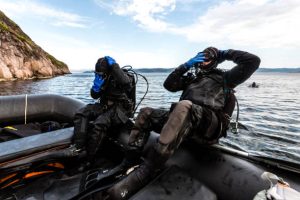
If you are wondering what to do in the time in between dives, here you are 7 things to do in your surface interval:
- Get warm.
- Get your equipment set up and checked.
- Hydrate well.
- Make new friends.
- Have a snack.
- Don’t free dive.
- Take a snap.
Get warm
Hypothermia is considered among the biggest hazards of scuba diving; it’s easy to get too chilly without recognizing it. You will quickly cool down in your next dive if you don’t warm up well during your surface interval.
You may feel tempted to spend the surface interval wearing your wetsuit, but it’s preferable to remove it, then wrap yourself in a towel or wear a hoodie. Remember that you will feel more cozy in your next dive when you warm yourself well during your surface interval.
It’s crucial to maintain warmth if you are diving in cold water but don’t forget not to jump into a scorching hot shower if you are on liveaboard because warming your body quickly can lead to Decompression Sickness.
The best advice for easily chilled divers at this point is to carry a wooly head in their dive gear and wear it quickly after you step out of the water.
Get Your Equipment Set Up and Checked
Among the things to do in your surface intervals, don’t forget to set up and inspect your scuba diving equipment beforehand to ensure everything is in order and nothing needs to be replaced or switched out. It’s wrong to wait until the last minute to prepare your equipment for the next dive.
So, after you end your dive, follow the next steps:
- Exit the water.
- Change your wetsuit.
- Warm up.
- Grab a drink of water.
- Sit up your gear for your next dive before settling in.
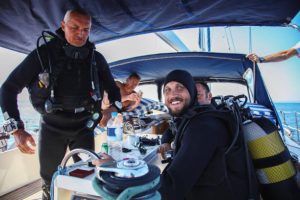
Hydrate Well
Suffering from dehydration when scuba diving can make you more susceptible to decompression sickness. So, you must increase your water consumption before the dive, during the surface interval and after the dive.
It’s importance doesn’t only lie in providing you with moisture, but also hot tea can make you feel much warmer. Although water is usually available on dive boats, don’t forget to bring some extra bottles with you.
Make New Friends
One of the best things to about scuba diving trips is that you will meet new friends as you will get to know everyone on the boat and possibly become Dive budies.
You will also share pictures and videos, trade dive stories, add each other on social media and recommended life trips together during your surface intervals.
Have a Snack
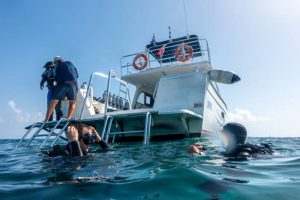
You may get tired after a day, so eating a small snack is from the important things to do in your surface interval in order to maintain energy levels, Diving with an empty stomach is uncomfortable. The healthy snack options you should have, include:
- Biscuits.
- Crackers.
- Fruit.
- Nuts.
- Oats.
Ensure to stay away from greasy and spicy food and don’t be satisfied, stop eating before that. The best advice is to ensure you still eat during surface intervals. If you are likely to have motion sickness and will go boat diving, choose simple meals that can help elevate symptoms in small doses.
Don’t Freedive
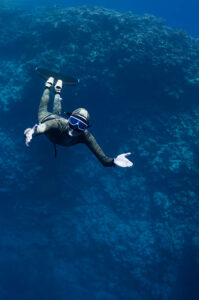
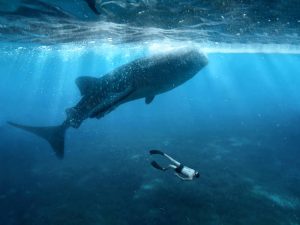
After you discuss the activities you can do in your surface intervals, freediving is one of the activities you shouldn’t choose on your surface interval. You may feel tempting to dive in for a quick snorkel. As long as you are on the surface, It’s okay. However, freediving can be dangerous
This is because the fact that breath-hold diving can have an impact on the nitrogen levels that Have been accumulated during the previous dive. Nitrogen bubbles that cause by descending and ascending in the water can result in the decompression sickness.
You must avoid freediving in between dives and after the last dive for 12 hours if you go in one dive and for 18 hours if you go in two or more dives (This is the same regulations for flying after diving).
Take a Nap
You may feel exhausted and tired after scuba diving as we mentioned before. So, it’s a good thing to take a nap after rehydrating and preparing your equipment for the next dive.
It’s a common sight in the surface intervals to see a group of scuba divers lounging on the deck of the boat, absorbing the rays of the sun and appear like a colony of seals in the surface intervals but ensure to apply sunscreen that is safe for reefs to protect yourself from burns.