Imagine exploring the depths of the ocean, surrounded by breathtaking marine life and vibrant coral reefs, only to feel a pang of uncertainty about your safety or dive duration.
Diving is as much about adventure as it is about precision and control. This is where dive computers revolutionize the experience, acting as a diver’s trusted companion beneath the waves.
In this article, we’ll delve into what a dive computer is and highlight 7 compelling reasons why it has become an essential piece of equipment for divers. From ensuring safe diving practices to enabling longer underwater adventures, tracking ascent rates, and offering accurate dive logs, dive computers are redefining the way we explore the underwater world.
Whether you’re a seasoned pro or a novice one, you’ll discover how these devices can elevate not just your safety, but also your overall diving experience. Let’s dive in!
What is a Dive Computer For?
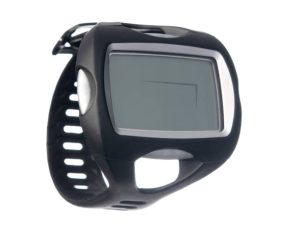
The dive computer is one of the electronic devices which scuba divers use. These devices work by specific algorithms. These algorithms compare their decompression models with the collected dive data (time, air mixture, depth, previous dives and also water temperature) in order to calculate the level of nitrogen saturation in the diver’s tissues.
The dive computer calculates and displays the time that you should stay underwater in addition to the time and depth of the safety or decompression stops that you must make depending on this data. The main purpose of a dive computer is to prevent divers from experiencing decompression sickness during or after their dives.
The dive computer uses data like depth and time from a diver’s activity to give accurate information about the person who wears it. The more dives the computer tracks and the more information it collects, the more accurate the data it provides.
7 Reasons Why Dive Computers Matter
Dive computers have transformed the way divers experience the underwater world. Far from being just technological tools, they serve as vital partners, as they prioretize safety and enhance the quality of dives.
This introduction delves into seven powerful reasons why dive computers for both novice and experienced divers alike.
- Safer diving.
- Ascent control.
- Never deeper than you should.
- More time underwater than if you planned the dive with decompression tables.
- Increasingly affordable.
- Accurate dive log.
- Essential in diving trips.
Safer Diving
The dive computer avoids any errors, mistakes and wrong calculations that may happen with human with the decompression tables. As we have mentioned before, a dive computer captures the dive’s data and analyzes it to help you any related health problems, such as decompression illness, helping you in turn to avoid diving accidents.
In addition to that, with your own dive computer, you don’t have to rely on somebody else who may don’t know how to use his computer.
Ascent Control
Scuba diverd may be so thrilled with what they witness underwater that they doesn’t realize their ascent speed or there any other circumstances that may take them to the surface faster than they should.
The rule “ascend as slowly as the smallest bubble” is helpful, but your dive computer is even more important. Listen to its beeps, which tell you to slow down while going up.
Never Deeper Than You Should
Just like ascending, descending can cause problems. Going too deep, like when diving near a wall, can lead to narcosis or oxygen poisoning, which are very dangerous.
The computer checks your air mix and pressure to find the safest depth and warns you if you go too deep.

More Time Underwater Than If You Planned the Dive with Decompression Tables
With dive tables, scuba divers use the time of the maximum depth as if the dive happens entirely at the same depth, ignoring ascents and descents which still have an effect on both dive time and safety stops.
This means that decompression tables are stricter, so a dive planned with them is shorter than that which is planned with a dive computer.
The depth gauge measures every ascent and descent accurately, adjusting dive times and possible stops. The dive computer keeps you safe while diving for as long as your air lasts.
Increasingly Affordable
Diving computers are becoming more affordable as their features improve. While some models have high prices, you can find all you need for recreational diving in budget options under $200.
Accurate Dive Log
You can also use diving computers as dive logs, as they can record details like depth, temperature, dive time, and steep ascents. Most can store many dives (even hundreds) and connect to devices (such as mobiles, computers, and tablets) via USB or Bluetooth to download complete dive data.
Even with manual logbooks, a dive computer enables you to access helpful and important data.

Essential in Diving Trips
If you are going to do dive trips in different places around the world, you should be aware that many liveaboards now require divers to purchase their own dive computers, especially when delving into advanced or deep dives.
Without doubt, you can rent a dive computer in some boats, but it is best to avoid surprises on a dive trip or a dive in which you can’t find this option.
Finally, you should take into consideration that dive computers are not magic devices. Although having great reliability (even the most expensive ones) they aren’t considered infallible.
Remember that these devices only measure data that is related to the dive. They can’t know your weight, how many hours you have slept the night before the dive day, your hydration and stress level, your physical condition (your age), and other relevant factors in decompression diseases.
Learn to use decompression tables and understand their value. Get a reliable dive computer, learn its functions, and always have one—it could save your life.