Ever felt like a yo-yo underwater—sinking too fast, floating too high, or wobbling somewhere in between?
Getting your dive weights right isn’t just about being comfortable—it’s about control, safety, and making every descent smooth and stress-free. Whether you’re a beginner still figuring out your gear or a seasoned diver tweaking your setup, mastering your weight check is the key to buoyancy.
In this guide, we’ll walk through the step-by-step process, bust the “rule of thumb” myths, and explain why proper weighting is your ticket to effortless underwater balance. No more guesswork. No more lead overload. Just smart.
Types of Weight Systems
Divers use different types of weight systems to achieve neutral buoyancy underwater. These systems vary in design, placement, and convenience—each tailored to suit specific diving styles, gear setups, and comfort preferences. These types include:
- Weight Belt.
- Integrated Weights.
- Hard Weights.
- Soft Weights.
- Trim Weights.
- Ankle Weights.
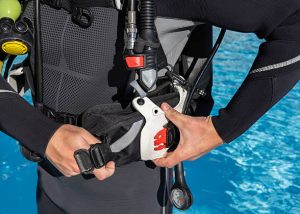
If you want to know more information about each type, Read our previous article: The 6 Types of Dive Weight Systems—Explained Simply.
From Surface to Safety Stop: Get Your Weight Right Every Time
Step-by-Step Weight Check
Making a proper weight check guarantees you have the necessary amount of weight for neutral buoyancy. Perform a weight check with these steps:
- Float at eye level: At the surface of the water, you should float at your eye level with a normal breath and your regulator in your mouth. sinking too much means you are overweighted; while floating too high means you are underweighted.
- Exhale gently: While exhaling, begin to sink slowly. dropping too quickly means having too much weight. Barely sinking means you need to add more weight.
- Adjust as necessary: If you can’t achieve neutral buoyancy, try to make small adjustments to your weights (add or remove some) until you can hover at eye level comfortably.
Rule of Thumb
For novice divers, there is a rough guideline to calculate weight easily, which is 10% of your body weight. However, this is considered a starting point and you need to adjust it based on some factors, such as exposure suit thickness, the type of water you are diving in, and the type of your scuba tank.
For example:
- Saltwater vs. Freshwater: Diving in saltwater will demand more weight because buoyancy increases from salt content. Typically, you will need to add about 2-6 pounds (1-3 kg) when transitioning from freshwater to saltwater.
- Body Weight Changes: Weight gain or loss have a noticeable effect on your buoyancy. Regular weight checks should be performed to calculate the needed changes in your weight.
- Steel vs. Aluminum Tanks: With a steel tank, you will become less buoyant than with an aluminum one. That means divers with steel tanks will need to add less additional weight than when using aluminum tanks.
The Importance to Be Weighted Properly When Scuba Diving

Having the correct weight for scuba diving is key for your safety, buoyancy control, and overall comfort. The proper weight guarantees maintaining neutral buoyancy, which in turn allows you to move -without effort- through the water without the need to adjust your buoyancy control device (BCD).
Being underweighted may cause some struggles related to descending and staying at depth, which can result in exhaustion and increased air consumption.
On the other hand, being overweighted makes it harder to ascend smoothly and can lead to problems, like poor body position, increasing the risk of injury, and dragging you down. The proper weight ensures having a more enjoyable, efficient, and safe scuba diving experience.
Whether you prefer a weight belt, integrated weights, or other options, understanding how to distribute your weights properly and manage them effectively will enhance the whole diving experience.