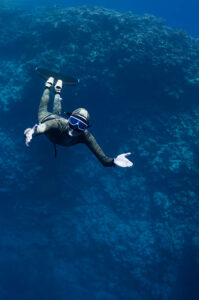
Water suits are more than just a piece of gear, they are considered your second skin when diving into the depths. Whether you are exploring vibrant coral reefs, braving icy waters, or simply seeking sun protection, choosing the right water suit can make all the difference.
In this guide, we’ll navigate through 3 different types of water suits, when to wear each one, and how to care for them, ensuring you stay comfortable, safe, and ready for your next aquatic adventure.
3 Different Types of Water Suits
When it comes to embarking on water adventures, the right suit can make all the difference in ensuring comfort and safety. From the warmth and flexibility of wetsuits to the protective barrier ofdrysuits, each type of water suit serves a unique purpose. Let’s explore these three different types of water suits, understand when to wear them, and how to care for them to get the most out of your aquatic experiences.
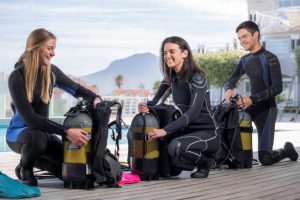
1. Drysuit
materials:
Drysuits are one of the different types of water suits that made from a completely waterproof material called tri-laminate which does not allow water to penetrate to a scuba diver’s skin.
How it works:
The drysuit has a watertight seal around the wrists and neck which creates a shell to keep a diver dry. In addition to that, the boots and socks can help prevent water from entering the suit in addition to providing options for personalization.
Isolation and Warmth;
- Although they are waterproof, they can’t keep you warm on their own, as tri-laminate has no insulatige properties, because its only job is to keep you dry. As a result of thar, you must wear additional layers beneath the suit to keep warm
- The amount of the needed insulation depends on the depth you want to reach, your body temperature, and the water temperature.
Comfort, Safety, and Potential Risks
- Removing any extra water inside the suit before entering the water to avoid discomfort and buoyancy issues.
- Ensuring zippers and seals are secure to prevent water entry and avoid hypothermia.
- Avoid overly tight seals to prevent blood flow restriction.

2. Wetsuit
Material
Wetsuits are one of the types of water suits that made from neoprene which contains small nitrogen gas bubbles that have a role in providing thermal protection.
How It Works
Nitrogen bubbles minimize heat transference by trapping your body heat. This process requires choosing the right fit, because a baggy wetsuit will allow extra water to enter the suit while a too tight wetsuit will difficult your breathing and restrict your movement.
Insulation and Warmth
You can find wetsuits in varying thickness levels. The thickness of the suit determines the level of insulation and mobility.
Comfort, Safety, and Potential Risks
- Tight seals guarantee warmth but ensure not to restrict your blood flow or cause breathing difficulty.
- The proper fit touches the skin comfortably, allowing mobility.
- Even the thinnest wetsuit has a role, as it Protects your body against sunburn, coral, and jellyfish hazards.
- Thicker suits provide more insulation but with less mobility.

3. Semi-Dry Suit
Material
- Semi-dry suits are one of the main types of water suits that made of neoprene with strong seals at the neck, wrists, and ankles.
- High-quality semi-dry suits have waterproof zippers.
How It Works
- The strong seals allow a small amount of water to enter the suit. This water is quickly heated by your body temperature besides the neoprene layer, then the warm water and trapped heat in the neoprene work on keeping you warm.
Insulation and Warmth
- If you want to increase your warmth, you can wear more layers, this will also increase your buoyancy. However, the thinner the neoprene, the more mobility you get.
- Standard thicknesses are three, five, and seven millimeters, with additional accessories like hoods and socks for extra warmth.
Comfort, Safety, and Potential Risks
- An effective alternative to drysuits for those who don’t want to spend too much money.
- Provides protection and warmth along with proper layering and accessories.
- Ensures mobility while maintaining warmth with neoprene’s elasticity.
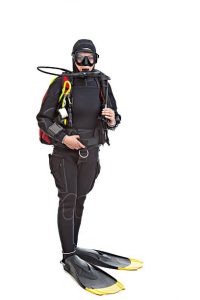
When to Use Each One of Them
When to Use a Drysuit
- Out-of-water Activities: When you want to keep yourself dry, as drysuits have no insulative properties.
- Surface Water Activities: Drysuits are great for waterskiing, windsurfing, boating, kayaking, and sailing, especially in colder water, as they can protect you from spray and short-term water immersion.
- Deep scuba Diving: Ideal for deep divers, as they need to add layers to get better insulation in cold temperatures.
- Heavy Labor Underwater: Suitable for activities like underwater welding.
- Customizable Fit: Offers more options for customization compared to wetsuits.
- Pockets and Storage: Useful for scuba divers who need to carry extra gear or wet notes.
- Extreme Cold Protection: Wetsuits restrict mobility in extremely cold water. So, drysuits are the ideal alternatives when attached with gloves and foot protection.
When to Use a Wetsuit
- Water Sports: Optimal for surfing, whitewater kayaking, triathlons, and endurance swimming, especially in cold climates.
- Low Cold Tolerance: A thicker wetsuit with more coverage is an ideal choice for individuals with low cold tolerance.
- High Cold Tolerance: A thinner wetsuit with less coverage is the best choice for individuals with high cold tolerance.
- Warm Waters on Hot Days: A wetsuit with less coverage needed in warm waters on hot days.
- Early Morning Warm Waters: A wetsuit with less coverage needed in warmer waters before sunrise.
- Wakeboarding: Air temperature will be more important. In case of high air temperature and cold water, a thinner wetsuit is preferable, while cold air and warm water require more coverage and insulation.

When to Use a Semi-Dry Suit
- Cold Water and Air Temperatures: Offers more insulation than a traditional wetsuit.
- Water Sports Involving Contact with Water: Ideal for activities like surfing, kayaking, or paddling to keep you warm.
- Mostly Dry Experience: Offers a mostly dry experience with minimal water penetration through seals and zippers.
- Personal Preference: Suitable if getting a little wet is not a major concern to you.
- Comfort with Neck Seal: Preferred if you suffer from irritation because of the latex neck seals on drysuits, as semi-dry suits use materials like neoprene.
How To Care for Each one
Caring for a Drysuit
- Handel the Zippers Carefully: Be gentle with your zipper to make sure it stays waterproof.
- Use Waterproof Lubricant: Apply wax or grease to the zipper for easier opening and closing.
- Choose Durable Zippers: Plastic tooth zippers are easy to pull on, while metal zippers last longer with proper maintenance.
- Trim Frayed Edges: Regularly trim any frays on the zipper tape to avoid any damage to the suit.
- Protect Neck and Wrist Seals: Keep latex or silicone seals away from any sharp objects to avoid punctures.
- Store Seals Properly: Remove and store latex seals in a dark, airtight place to maintain it in a good condition.
- Consider Neoprene Seals: If you want more durability, use neoprene seals, but ensure the proper fit..
- Regular Maintenance: Consistent care for zippers and seals will keep your water suit performing at its best with long lifespan.
Caring for a Wetsuit
● Post-Use Care:
Soak in warm water: After using your wetsuit, soak it in warm water for 15-20 minutes.
Rinse thoroughly: Rinse off the wetsuit with fresh warm water until removing any remaining saltwater or chlorine.
Air dry: Hang the wetsuit in air to dry out completely..
● Storage Recommendations:
Avoid folding: Do not leave your wetsuit folded for a long time in order to prevent permanent creases.
Flat storage: It is recommended to store the wetsuit on a flat, horizontal surface to avoid any stretching or creases.
Ideal environment: Ensure to store the wetsuit in a cool, dry, and dark place to protect it from direct sunlight, as UV rays can deteriorate the neoprene material.
● Zipper Maintenance:
Straight pull: Ensure to pull the zippers in a straight line (only) along the track to avoid any damage.
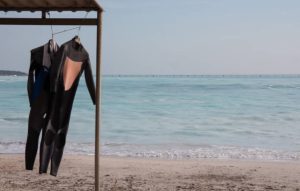
Caring for a Semi-Dry Suit
-
UV Protection:
Storage environment: Store your semi-dry suit in a cool, dry, and dark place to be able to recover from UV rays that can damage the neoprene material and reduce its elasticity.
-
Seal Maintenance:
Neck, wrist, and ankle seals: Maintain the seals on the ankles, wrists, and neck to optimize performance, as these seals prevent water from entering the suit as possible.
Avoid damage: If the seals become ripped or pierced, the effectiveness of the suit is compromised.
-
Zipper Care:
Straight pull: make sure to pull the zippers only in a straight line to avoid pulling it away from its track.
Cleaning: Apply a cleaner that is specially made for zipper to remove any dirt and leftover grease or wax before you apply more lubricant.