Whether you are planning to take a freediving course and you want to know more about freediver safety or you are a freediver and searching for safety recommendations, you can find several forums and articles online that talk about preparing for freediving.
However, there are few ones about things you should never do after freediving, so to fill this gap, in this article, we will discuss 5 things you should avoid after finishing a freedive.
5 Things You Should Never Do After Freediving
From the point that safety comes first, here are 5 things you should never do after freediving:
- Freediving or assume the safety diver role.
- Staying dehydrated.
- Exercising excessively or staying out late.
- Flying.
- scuba diving.
Freediving or Assuming the Safety Diver Role
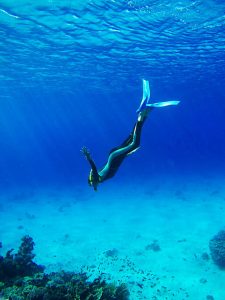
This seems strange but let’s start with the basics. It’s extremely important not to repetitively freedive after an immediate previous freedive. Always give yourself sufficient recovery time during your surface interval to be able to restore the balance of gases in your body after your breathhold period.
During your surface interval, remember that you can’t fulfill the role of safety either. Recovery times can vary according to the time and depth of the previous freedive and you will learn how to calculate them during your PADI freediver course.
Generally, before making another free dive, the period that you should wait for should be at least three times the breathhold. However, if you have dived deeper than 20 meters (65 feet) you should be aware of the number of freedives you have made, as there are also maximum numbers of freedives in the day that shouldn’t be exceeded.
If you have completed the maximum number of dives per day, you should remain out of the water until the following day.
Staying Dehydrated
There are three factors that can cause freedivers’ dehydrating:
- Immersion diuresis.
- Sweating in your wetsuit
- Normal breathing.
Immersion diuresis is a part of the mammalian dive reflex. This process causes you to excrete more amount of fluids in the urine than the amount you have taken orally.
If you feel warm in your wetsuit, you can lose more fluid through perspiration. In addition to that, our exhalations also contain water vapor and constant breathing through your mouth can cause losing a lot of water from the body.
As a result of these factors, freedivers can easily become dehydrated. Increased urination makes many freedivers feel that they must be well hydrated but this is extremely misleading and actually the opposite is true.
Dehydration makes your blood become thicker and causes in turn to a reduction in blood volume that leads to reducing breathhold time as your body becomes less effecient in transporting red blood cells and removing carbon dioxide gas.
This also affects muscle performance badly and can cause cramping. After every dive, your body needs to rest and recover. Thicker blood can also cause other complications with decompression illness.
It’s important to hydrate well before a dive and after it (However, overhydrating isn’t preferable, since this can contribute to high risk of lung squeeze).
Ensure to drink plenty of water and sports drinks. It’s easy to make your own by making a diluted fruit juice and adding salt to it. Coffee and alcohol should be avoided as they can also further dehydrate you.
Exercising Excessively or Staying Out Late
It’s a common thing to feel physically and mentally tired after freediving. If you are feeling tired, your body and mind can not function properly.
Feeling tired after a freedive is mainly because freediving produces many free radicals because of the cells that work anaerobically.
As a result, it is extremely important to give your body a chance to heal and rest to avoid excessive exercising and late night. it’s a better thing to reward yourself for your freediving trips with a relaxing day and an early night. Believe me your body will thank you a lot for that.
Flying
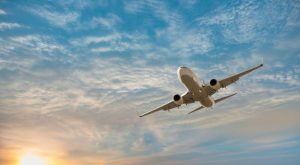
There are few researchs talking about flying after diving. However, flying is one of the things that you should never do after diving. It is recommended not to fly immediately after diving and wait for at least 18-24 hours after deep freediving.
Take into consideration that the longer the interval between diving and flying, the lower the risk of the DCS, so it is better to wait longer if you can.
A lot of freediving destinations have many things to explore topside. So, it will be a good idea to add an extra day to explore more things on land.
Scuba Diving
The last thing from the things that you should never do after diving is scuba diving. Although there is much data about the risks of freediving after scuba diving, there is little about scuba diving after freediving.
As a scuba diver, you should wait 12 hours before scuba diving after a freedive. And for deep or repetitive scuba dives, you should wait 18 hours. Your dive computer can help you in this, as you can wait until the “no-fly” time is cleared.
To make sure you are safe, avoid scuba diving for 12 hours after a singe freedive and 18 hours after deep and repetitive freediving in your day. Also avoid freediving for multiple days.