Your Cart Is Empty
✖No products in the cart.


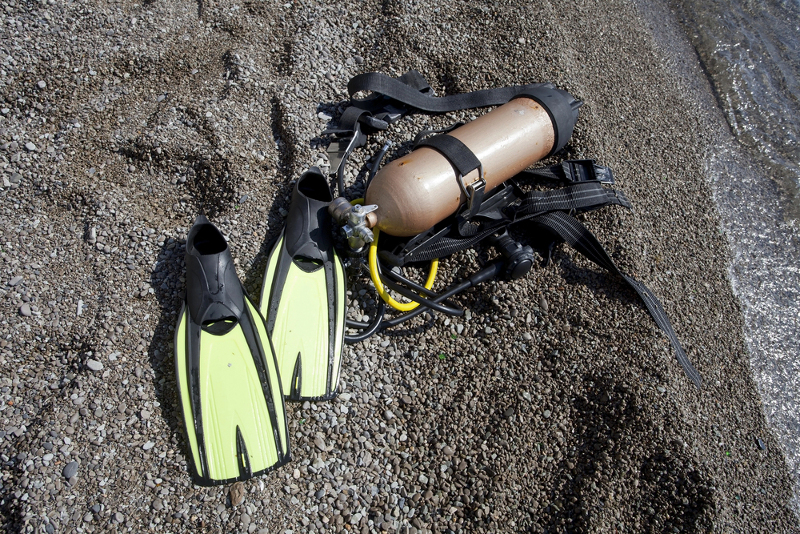
Saltwater ranks as the most demanding of the environments in which metal components are allowed to sit and indicates the demanding requirements of high salt content and corrosion. Industries that rely upon the use of metallic components (e.g., marine transportation, offshore oil and gas, and undersea exploration), in which these components are subject to require … Read more
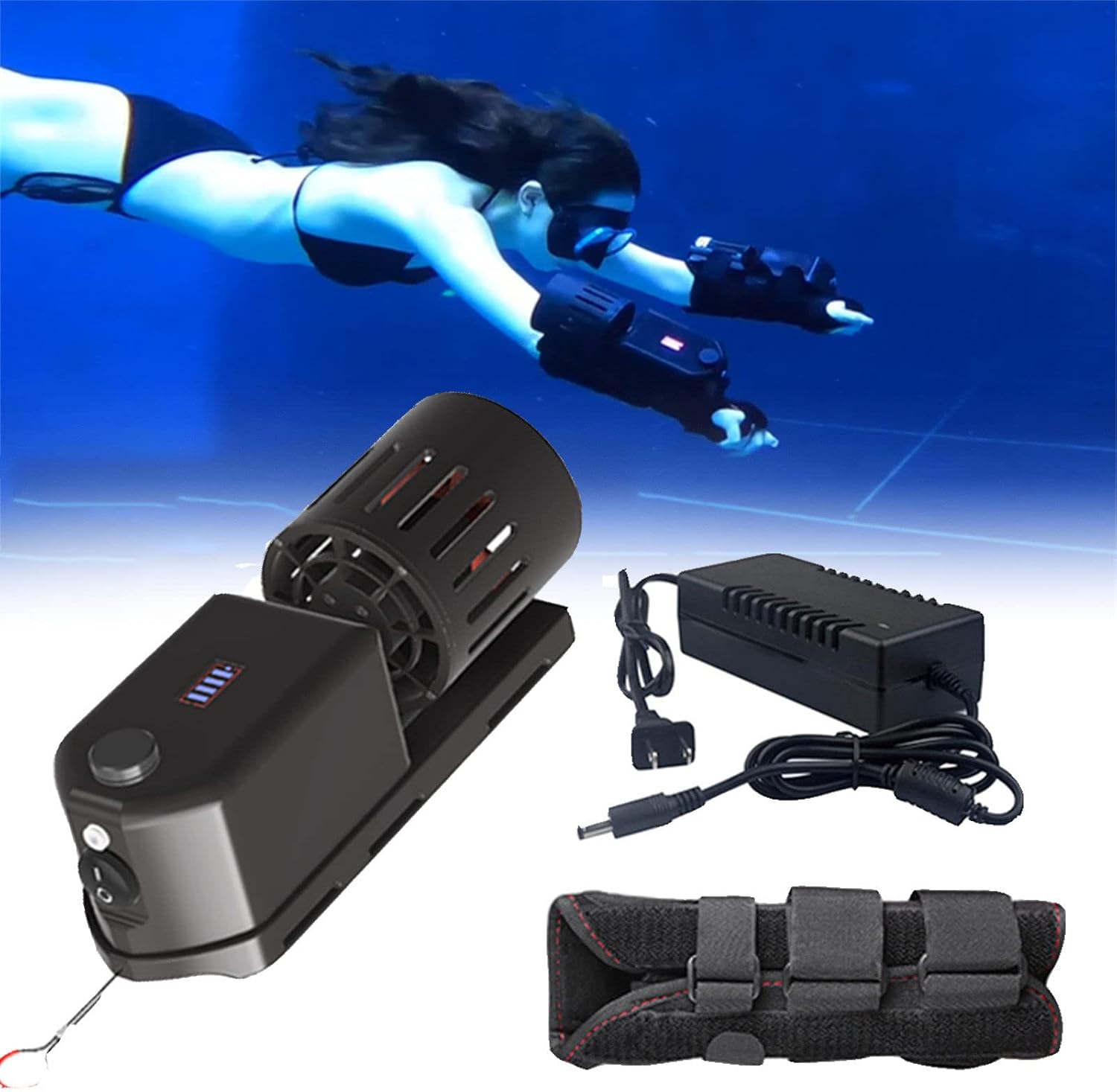
Since their invention, dive electronics have become very essential in underwater explorations because they help improve safety, efficiency, and data collection. Examples of such devices include underwater cameras and drones that utilize dive computers and a reliable power source to help them function in critical conditions. Among the most important problems is how to make … Read more

Antifog Technologies in Scuba Diving Masks: Coatings and Materials to Avoid Fog Formation These are the headaches every scuba and snorkeler has grown to know. In all respects, fogginess spells limited visibility, enjoyment, and even hazards underwater. On the brighter side, this technology is gradually clearing the way toward total fog-free diving. This article deals … Read more
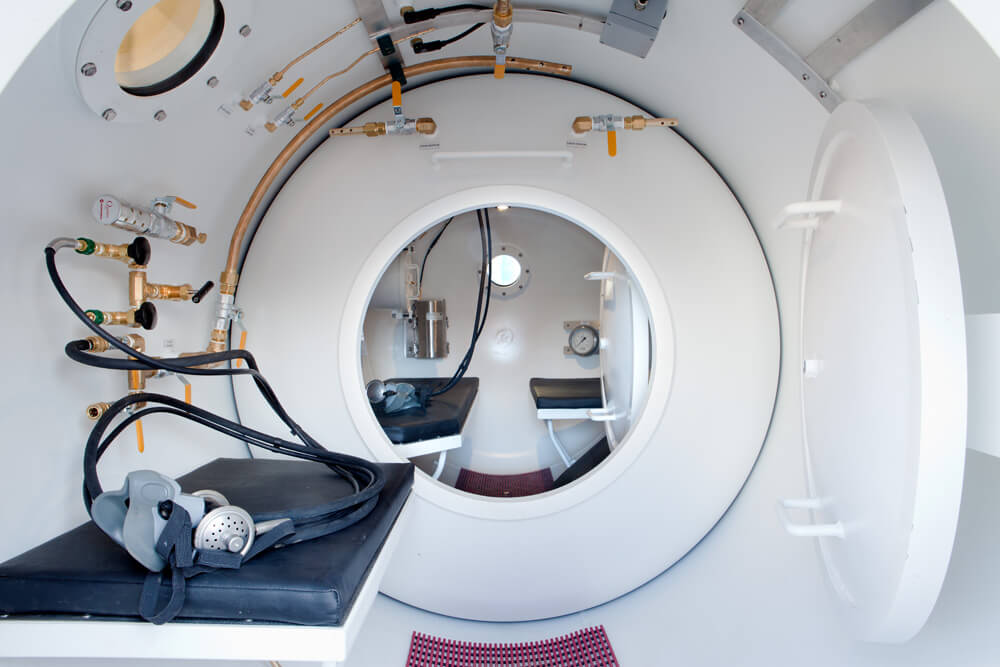
Decompression sickness, better known as “the bends,” is a condition caused by ascending too quickly from deep underwater, where nitrogen bubbles could form in the body tissues and bloodstream. The condition represents a serious medical emergency often treated with hyperbaric oxygen therapy and involving the use of decompression chambers. These specialized treatments are very important … Read more

Seals against environmental elements in the regulator protect against sand, salt, and silt in open waters As the underwater explorers dive deeper into their world, they are bombarded by an environment complete with sands, salts, and silts. Though part of the natural aquatic landscape, these elements of sands, salts, and silts pose hazards to diving … Read more
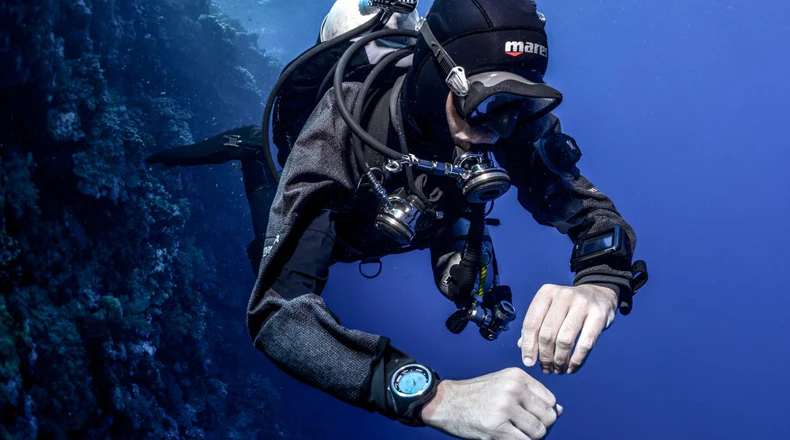
These days, dive computers have entirely changed how divers plan and, eventually, carry out their underwater escapades. It is within their sophisticated decompression metering algorithms that such devices promise safety during ascent by minimizing the risk of decompression sickness (DCS). Gradient factors and real-time adjustments are probably the most crucial constituents of these algorithms because … Read more
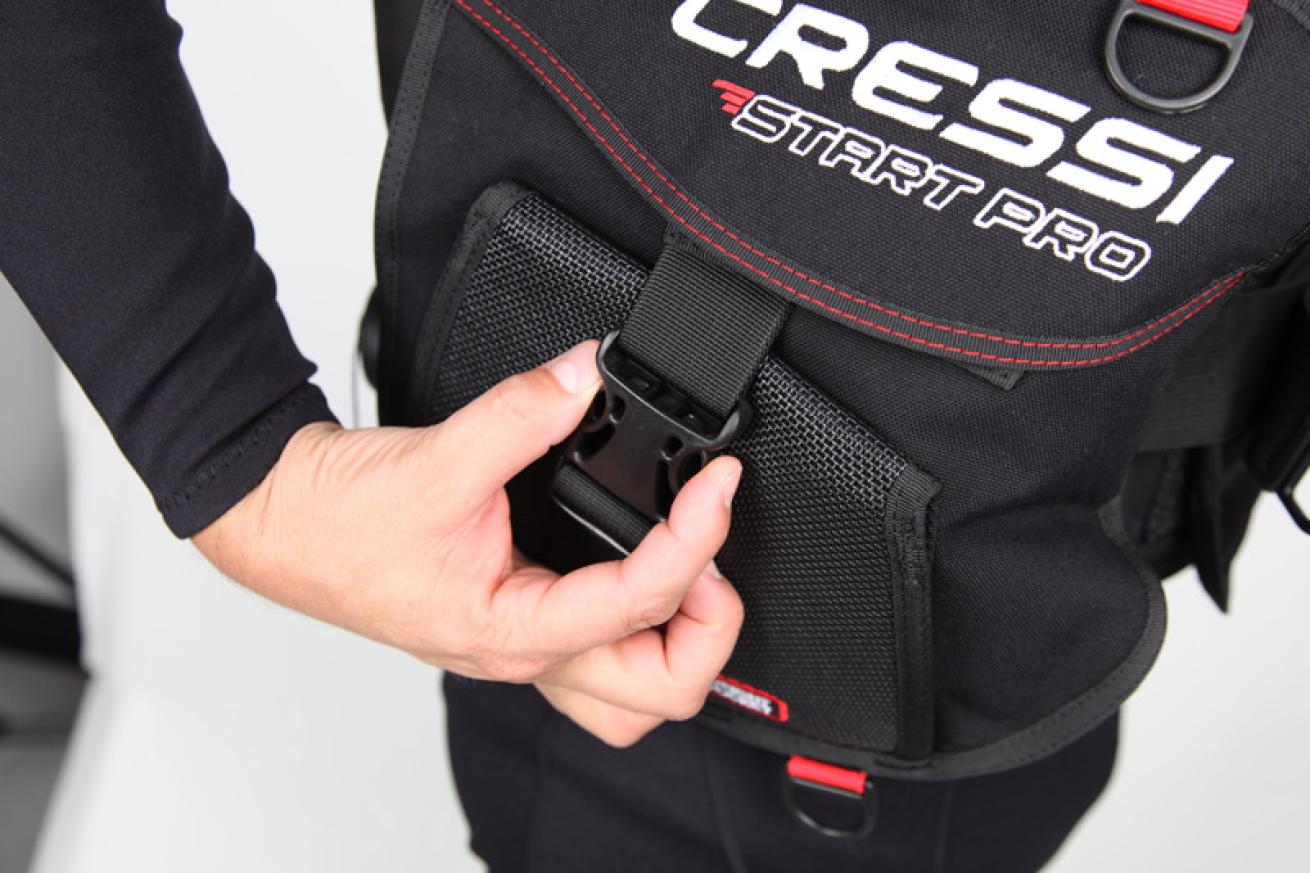
Better weight management is the key to comfort, safety, and efficiency during scuba diving. The divers are forever finding ways to optimize their trim and balance, and one of the innovations that revolutionized buoyancy control in the sport is the integrated weight system in BCDs. In this article, we shall look at how integrated weight … Read more
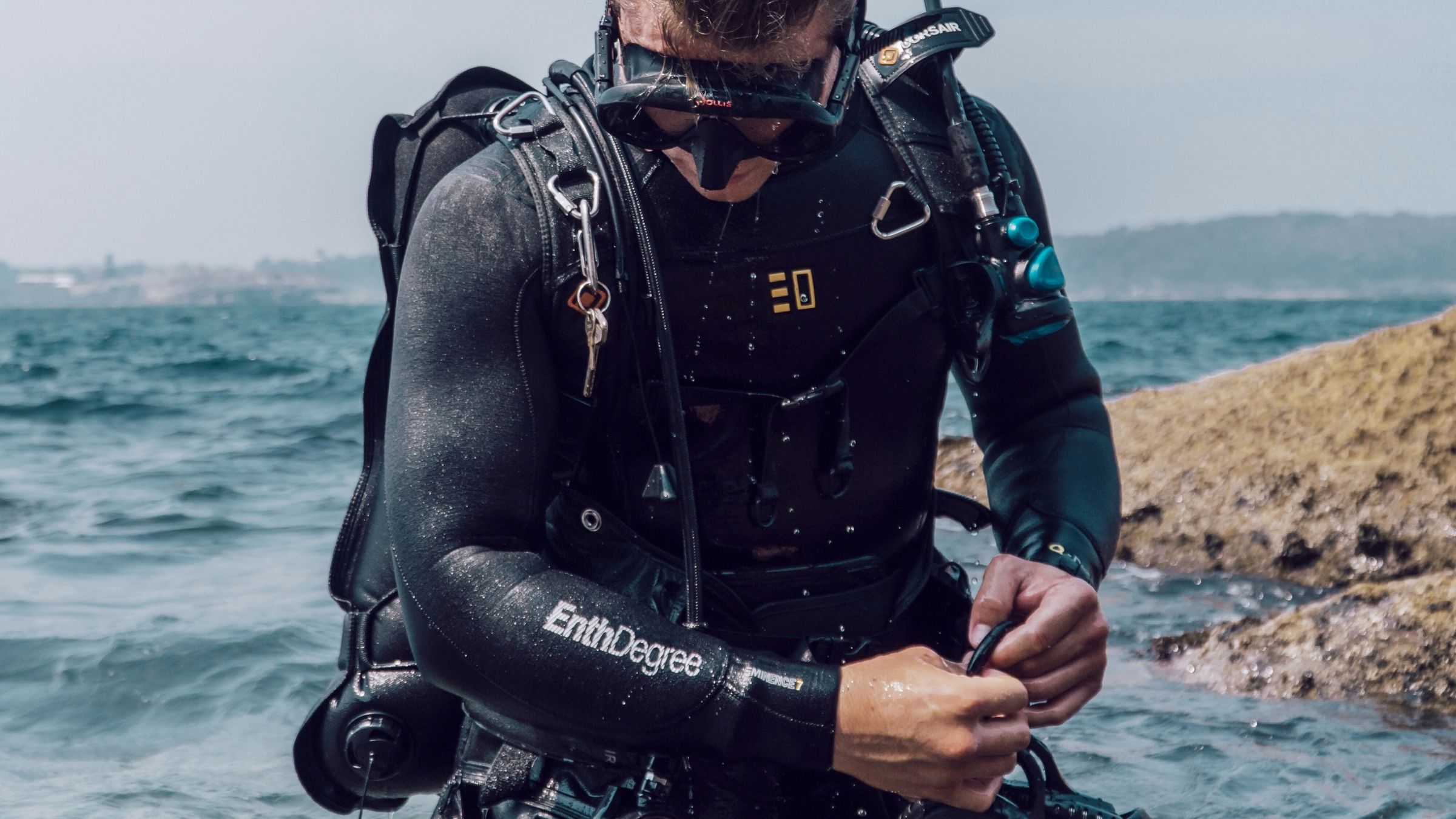
When plunging into the chilly depths of the ocean, one essential piece of gear stands between a diver and hypothermia: the wetsuit. Central to a wetsuit’s effectiveness is the provision of thermal protection; this is realized mainly through advances in neoprene technology. This article discusses the science supporting thermal protection layers in wetsuits, how neoprene … Read more
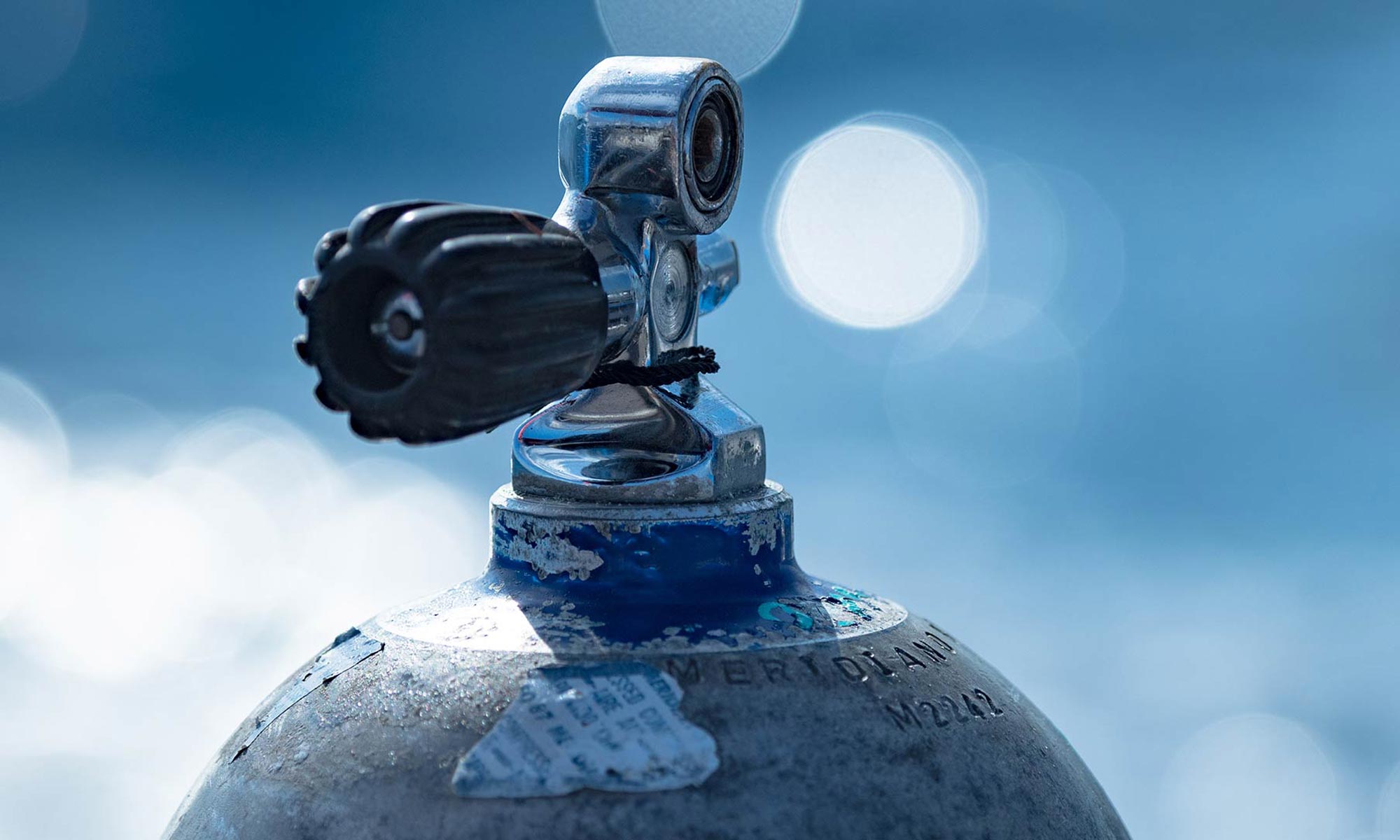
In the realm of SCUBA diving, the tank valve constitutes a small but important segment of the diving system. It regulates the outflow of compressed air from the cylinder, connects to the regulator, and provides a safe and reliable supply of air to divers. Understanding how SCUBA tank valves work, and their safety features is … Read more

Oxygen toxicity is a critical concern in diving, particularly for those using enriched air Nitrox or engaging in technical dives with mixed gases. Mismanagement of oxygen levels can lead to severe consequences, including seizures and lung damage. This article explores the principles of oxygen toxicity, effective dive planning strategies, and the role of advanced sensor … Read more
No products in the cart.