Your Cart Is Empty
✖No products in the cart.


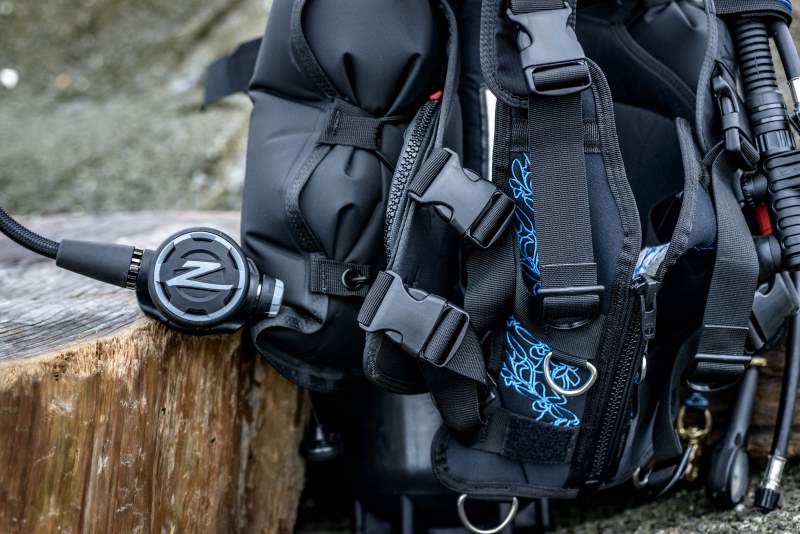
One of the most important and critical skills one can develop in scuba diving is buoyancy management. With neutrality in water, a diver can have easy mobility while conserving energy and also without damaging the sensitive ecosystem beneath the ocean. Buoyancy Control Devices and their main ingredient, air bladders, are key to this ability. The … Read more
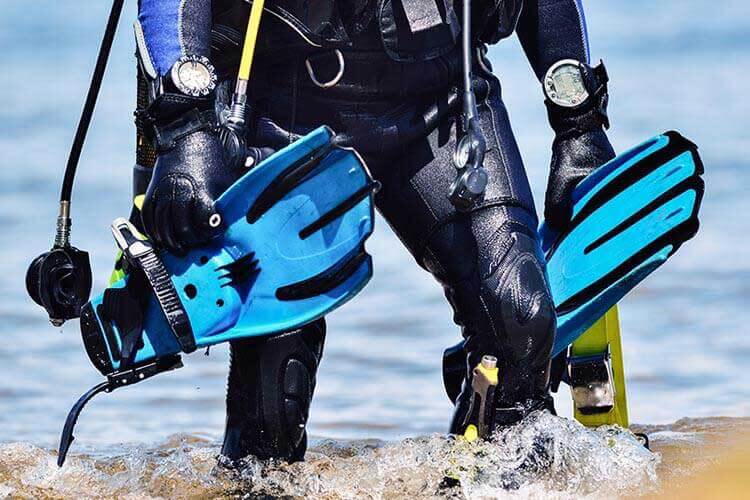
Fin Design and Hydrodynamics: Engineering for Optimal Propulsion and Maneuverability Fins are not only a vital part of a diver’s equipment but also a means of propulsion and control in the underwater world. The study of fin design and hydrodynamics is a fascinating combination of engineering, biology, and physics, all put together to maximize efficiency … Read more
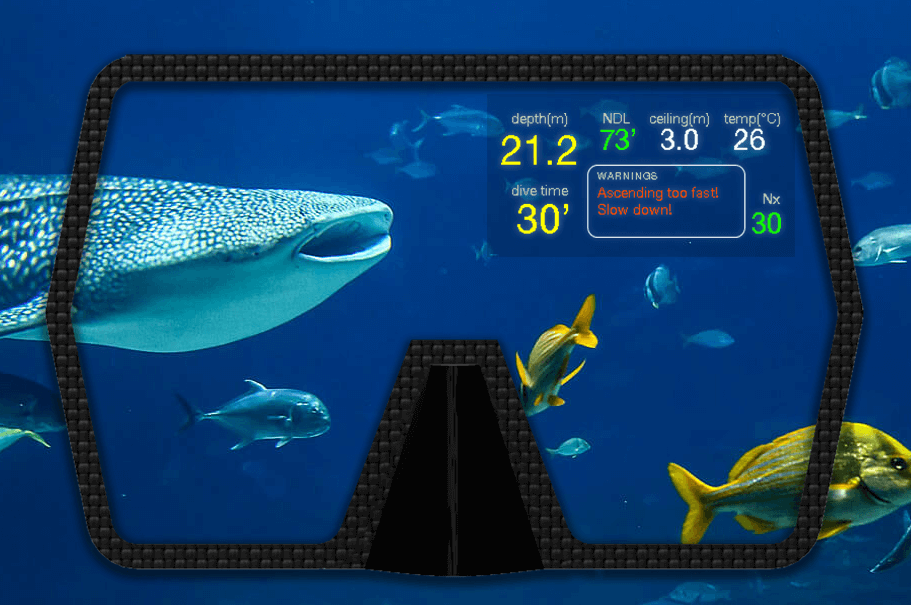
Imagine being submerged in the crystal clear waters of the ocean, surrounded by a colorful world of coral reefs, schools of fish, and mysterious underwater landscapes. Now, imagine having technology that can enhance such an experience by allowing you to identify marine life, navigate with real-time maps, and even communicate with other divers all through … Read more
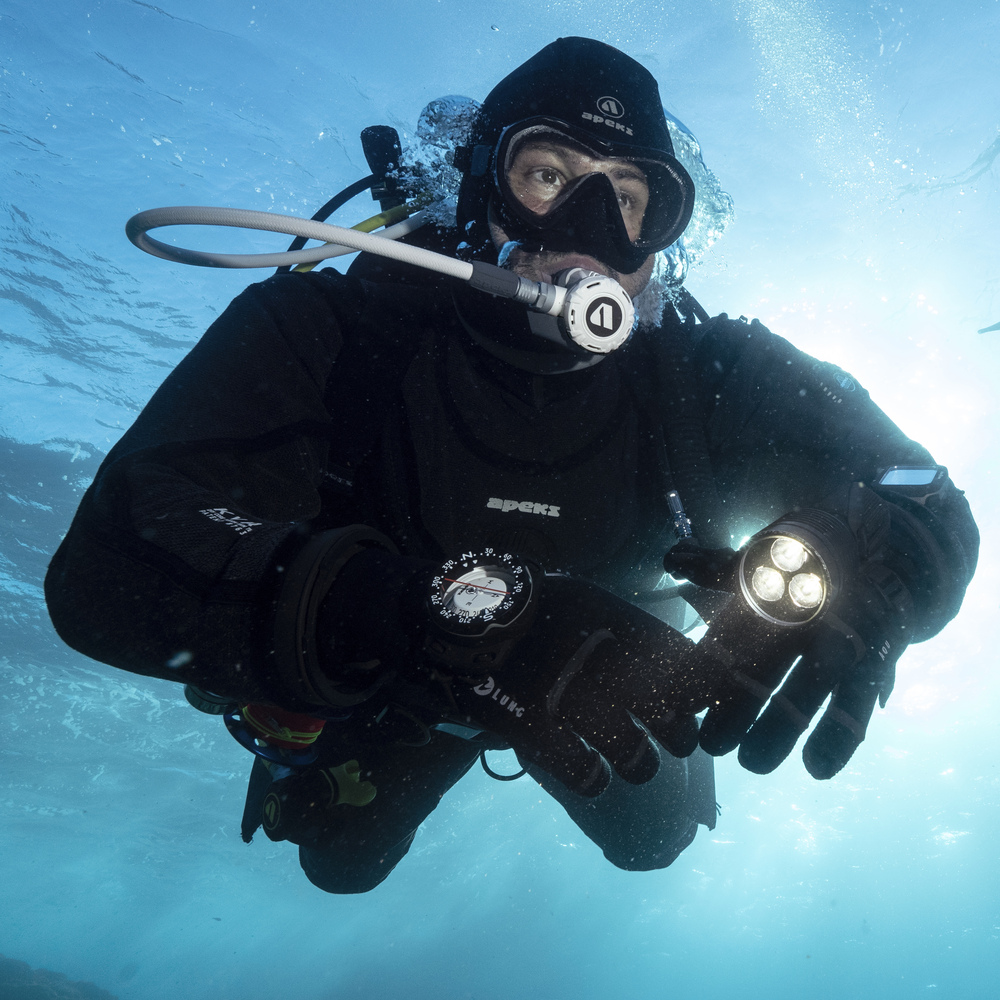
Open-circuit regulators are vital for scuba diving, providing divers with a reliable supply of breathable air underwater. Over the years, their design has evolved significantly, focusing on reducing breathing resistance and enhancing efficiency. In this article, we’ll explore the advanced designs that make modern open-circuit regulators indispensable for underwater enthusiasts. Understanding Open-Circuit Regulators An open-circuit … Read more
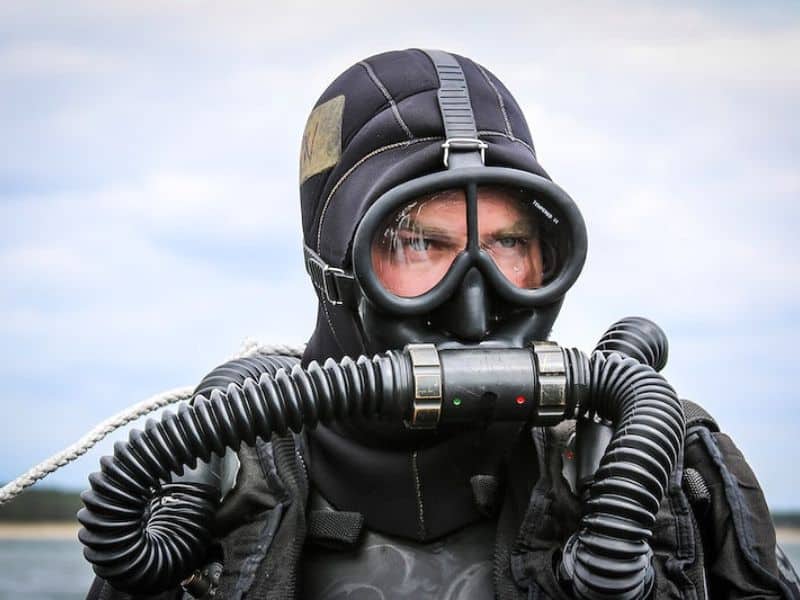
Closed-circuit rebreathers, or CCRs, are state-of-the-art diving gear that increases efficiency and safety during underwater exploration by reusing exhaled gases. In contrast with the conventional open-circuit systems that release exhaled air into the water, CCRs capture and recycle them, enabling much longer dive times and greatly reducing gas consumption. This article explains how rebreathers work, … Read more
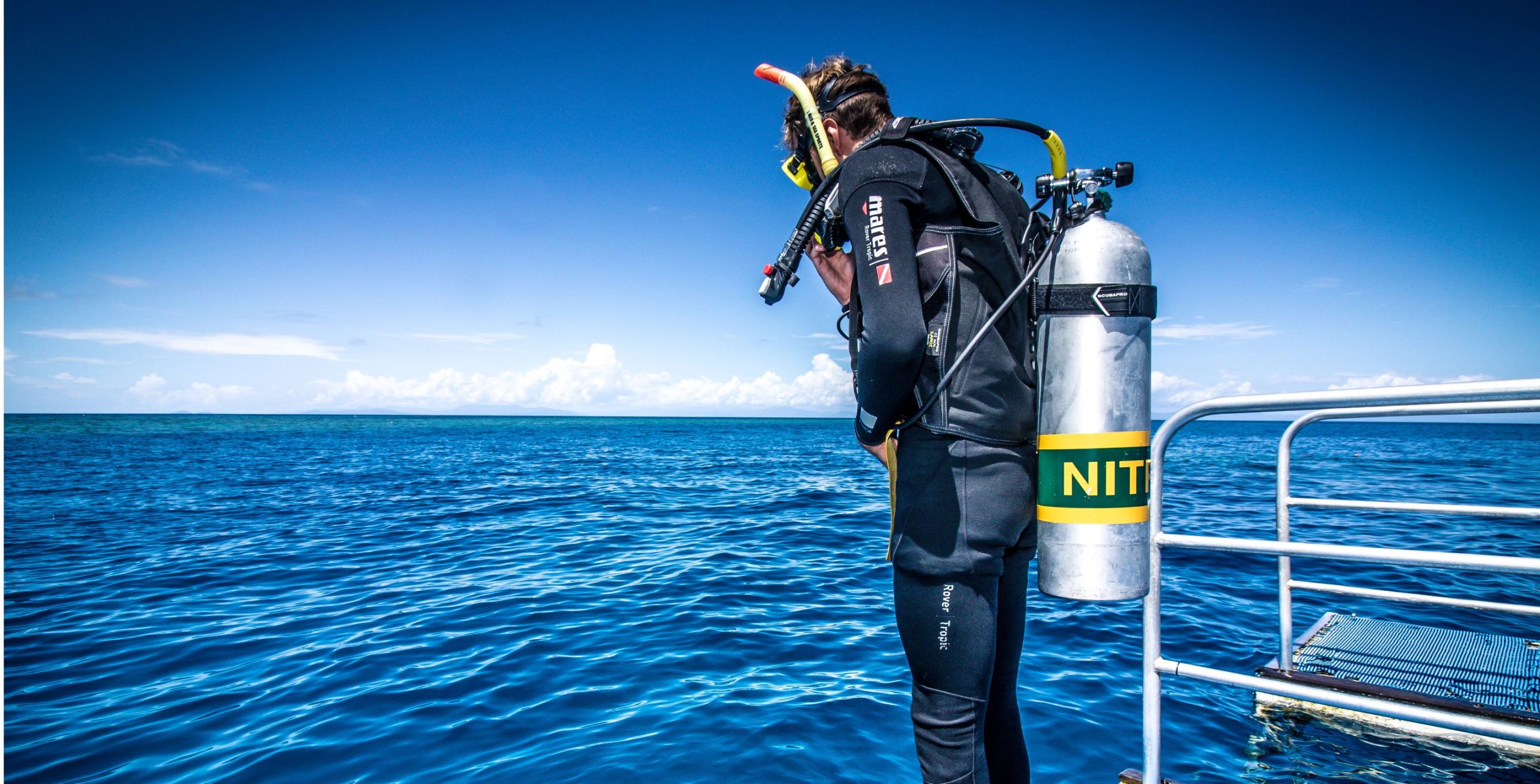
In scuba diving, continuous development in technologies and ever-increasing knowledge of human physiology greatly transformed the way divers explore the deep. Further, one of the most important factors that have made this exploration possible, taking into account safety and efficiency in the water, is the variety of breathable gas mixes and corresponding delivery systems. This … Read more
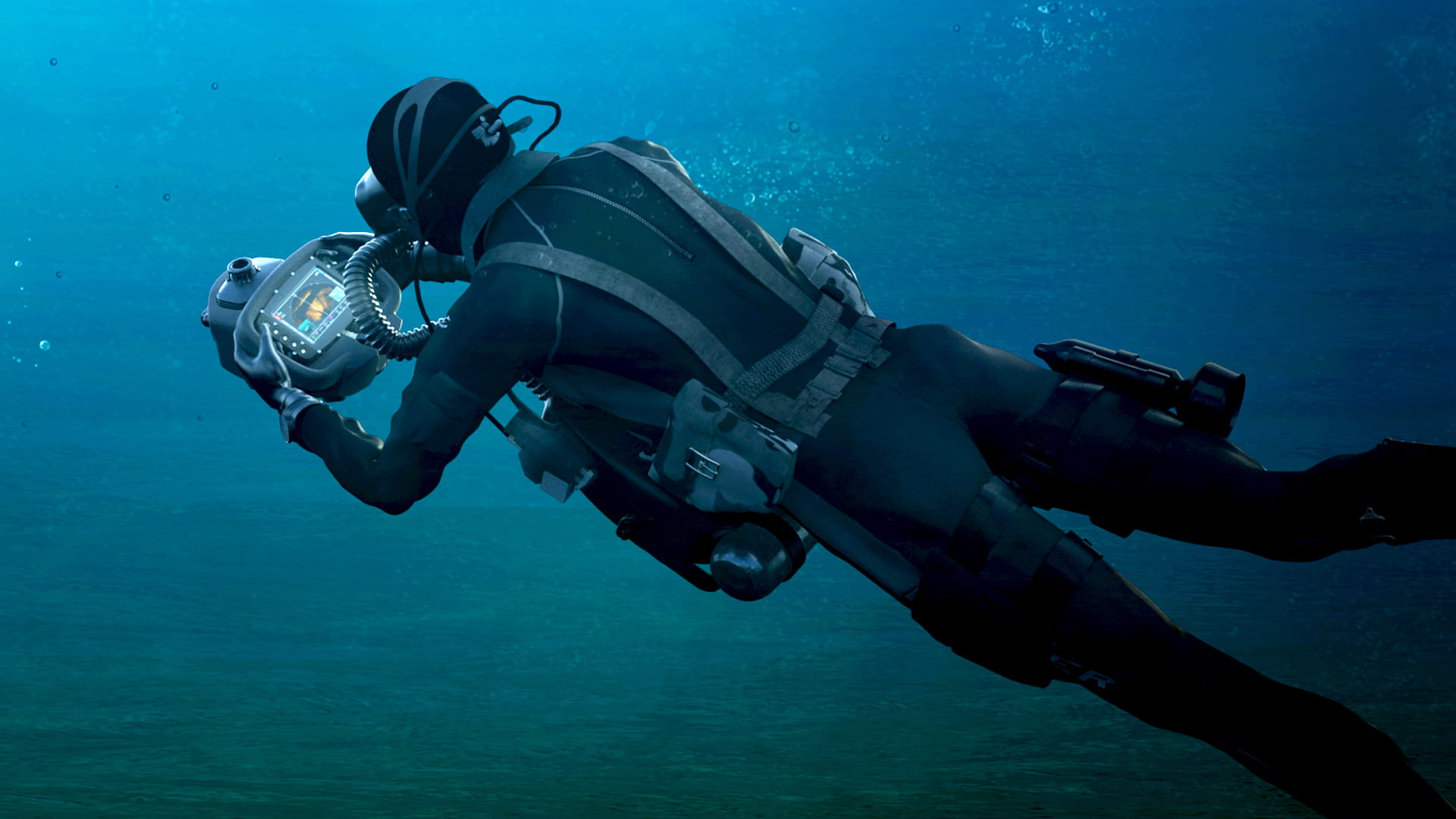
Underwater navigation is something that is important to divers, marine researchers, and underwater explorers. The difficulties in orientation in the three-dimensional aquatic environment with poor visibility and variable depths demand navigation aids that can be depended upon. This article discusses different kinds of underwater navigation equipment, including GPS systems, compasses, and digital tools important in … Read more
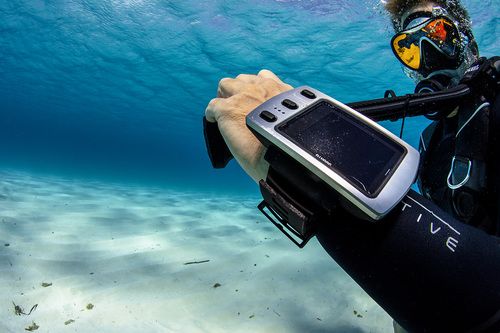
Decompression computers, better known as dive computers, have revolutionized the way divers profile of their underwater adventures, enhancing both safety and enjoyment. These sophisticated devices use advanced algorithms and sensor technology to provide real-time data on dive profiles, ensuring that divers can make informed decisions about their ascent and decompression stops. This paper will explore … Read more
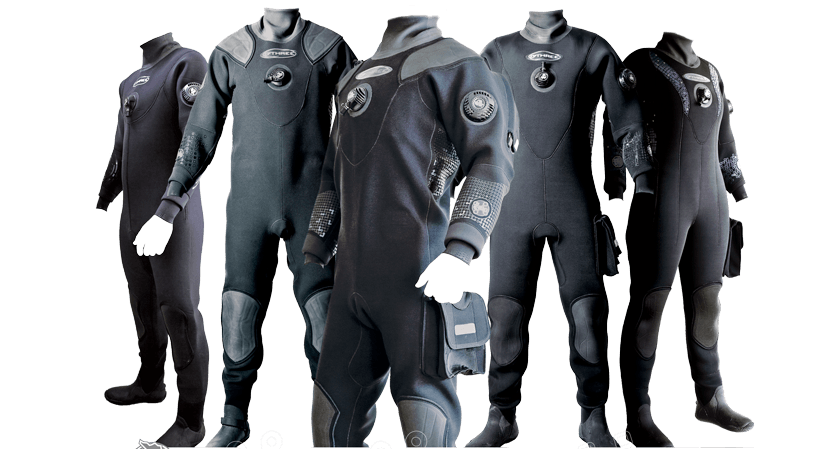
Divers have been involved in aquatic environments replete with cold temperatures and harsh conditions, thus providing sufficient challenge to even seasoned divers. Such conditions have made thermal protection and durability important features of a diving suit. Thanks to developments in material science, today’s diving suits use different kinds of innovative high-performance fabrics and composites, which … Read more
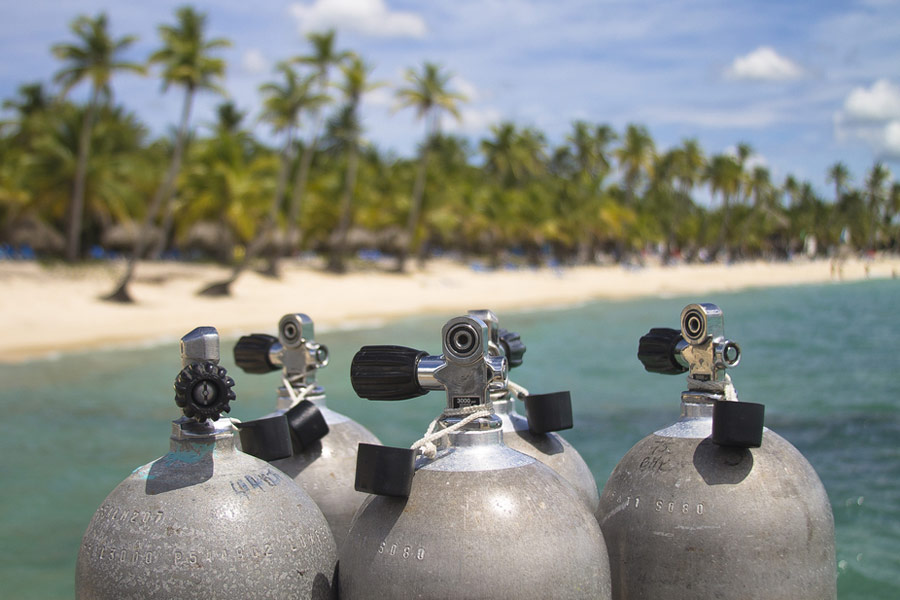
Material Science and Structural Engineering in Scuba Tanks: High-Pressure Air Cylinders But scuba tanks, or high-pressure air cylinders, are the lifeline of every diver because they maintain a compressed supply of breathing gas that enables exploration underwater. These cylinders are designed to be literally at the heart of diving activities and are engineered to cope … Read more
No products in the cart.